Image
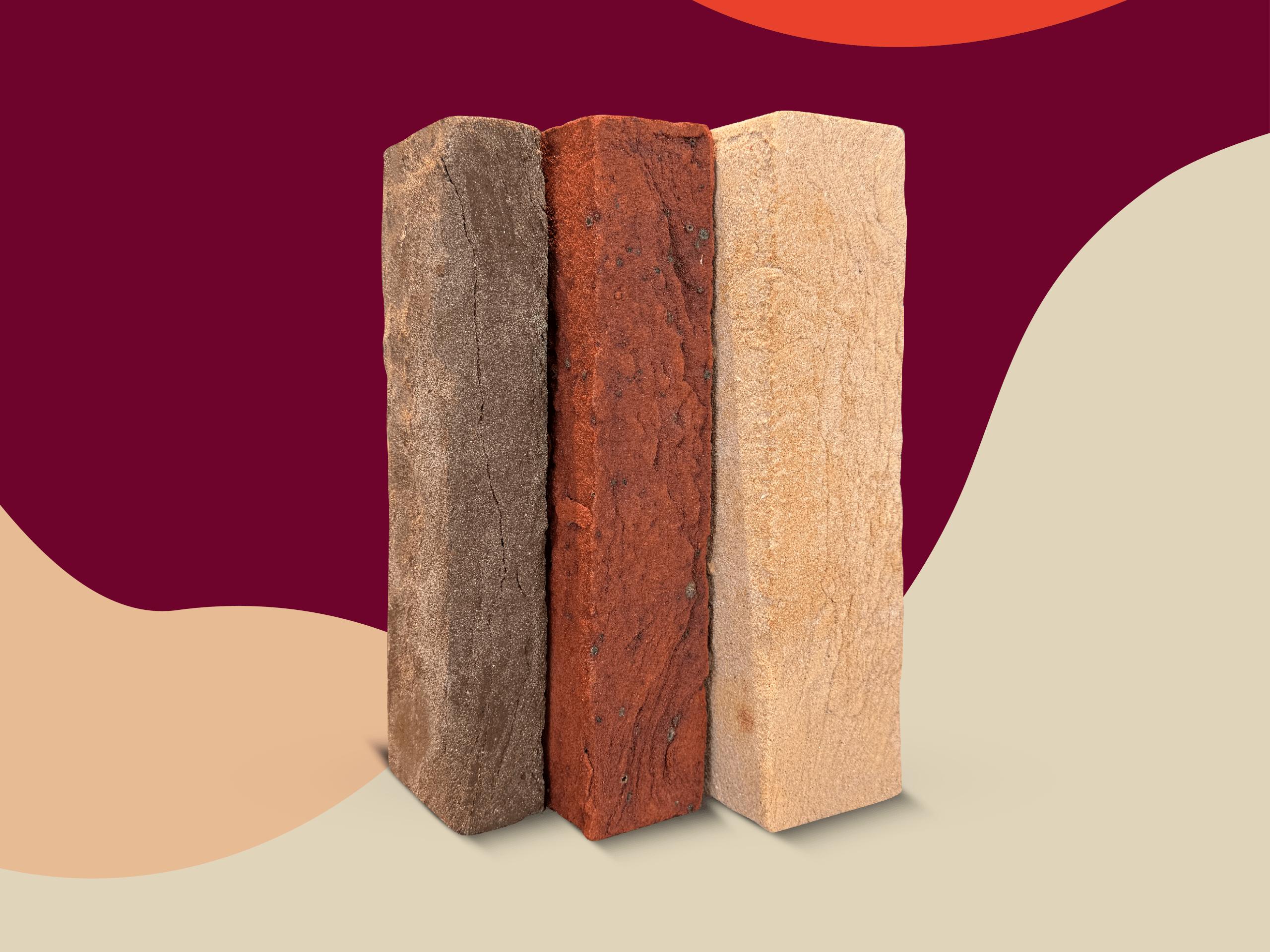
The slim N70 range combines aesthetic freedom with maximum efficiency. With three exclusive sizes – N70/4 (±240x70x40 mm), N70/5 (±240x70x50 mm) and N70/6,5 (±240x70x65 mm) – it offers a solution for every project. The special size (3cm narrower & 3 cm longer) not only provides financial advantages but also ensures more efficient application on site.
The slim N70 range offers a solution for every style. For a sleek, modern façade, you can choose N70/4 or N70/5. N70/6,5, on the other hand, retains the flexibility for a more traditional application.
A major advantage of N70 bricks is their competitive price. N70/4, N70/5 and N70/6,5 are at least 15% more cost-effective per m² than traditional brick sizes.
Thanks to their slim shape (the N70 range is only 7 cm deep), N70 bricks weigh less than traditional bricks. This allows more bricks to be transported in a single load. As a result, transport is more CO₂-efficient and transport costs are reduced by an average of 30%.
Thanks to the longer size of N70 bricks, fewer bricks are required per m². This results in more efficient use of materials, faster application and savings in the overall construction budget. Fewer bricks per square meter, greater efficiency for every project.
N70 is also an advantageous choice during application. Its efficient design requires significantly less mortar, resulting in an average mortar saving of around 30% compared to traditional brick sizes.
Thanks to their slimmer size, N70 bricks are lighter, making them easier to handle on site. This enables smoother application and faster construction progress.
| N70/4 vs. RF 4 | N70/5 vs. WV 50 | N70/6,5 vs. WV 65 | N70/6,5 vs. WV 50 | |
|---|---|---|---|---|
| Size | ±240x70x40 mm vs. ±210x100x40 mm | ±240x70x50 mm vs. ±210x100x50mm | ±240x70x65 mm vs. ±210x100x65 mm | ±240x70x65 mm vs. ±215x100x50 mm |
| Cost(1) | -17% | -17% | -15% | -12% |
| Transport(2) | -30% | -30% | -30% | -30% |
| Bricks per m² | -4% | -14% | -11% | -33% |
| Mortar savings | -30% | -30% | -30% | -40% |
| Weight per brick | -12% | -13% | -15% | +18% |
(1) The stated percentages represent average savings on the purchase value of the facing bricks. The actual savings depend on the specific project and are determined by the chosen brick within the range.
(2) Transport savings depend on the overall size of the project. Thanks to the slim format of the N70, loading efficiency can be optimized, which in many cases results in one or more fewer truck deliveries to the construction site.
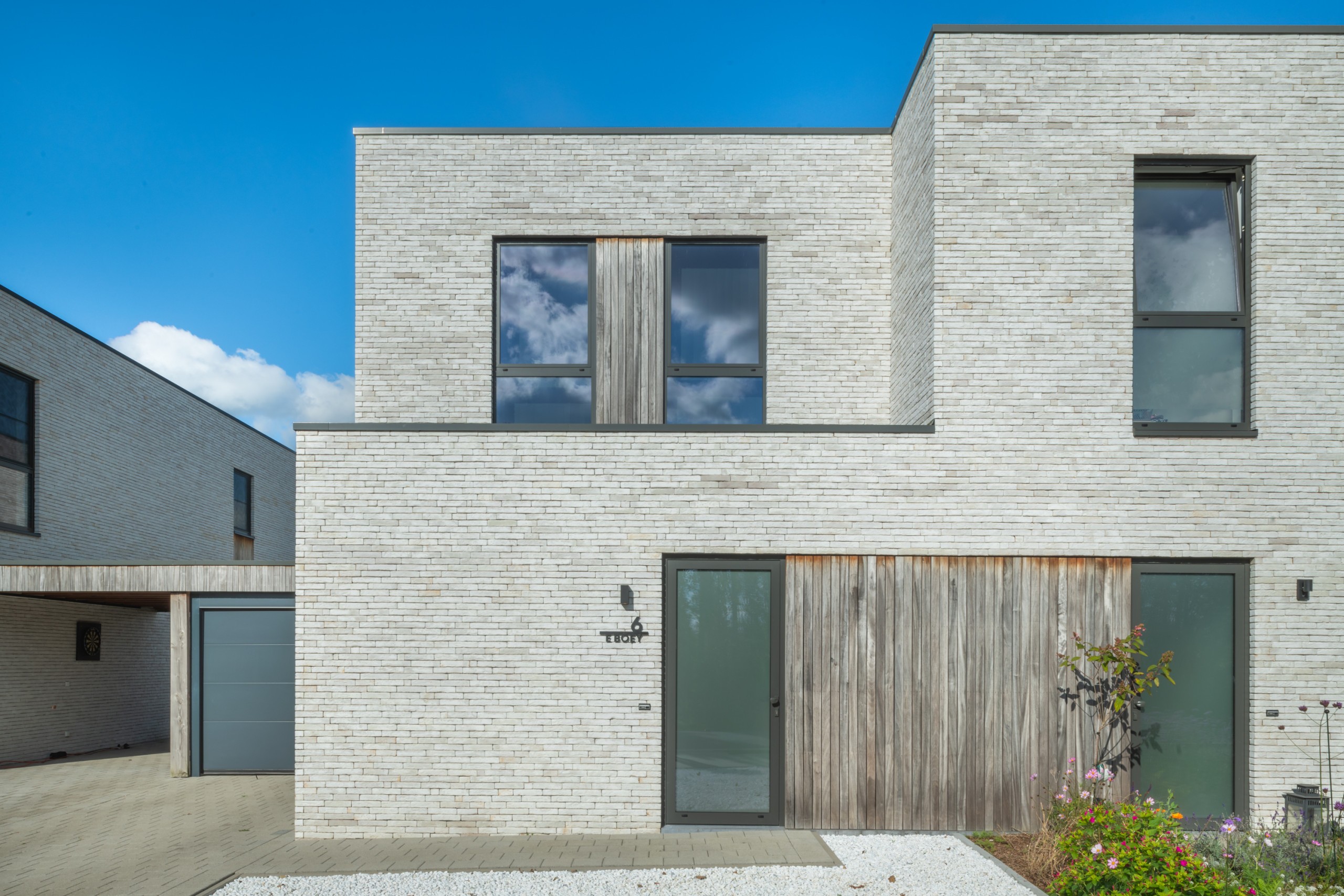
Nelissen Bricks is committed to reducing energy and raw material consumption without compromising on quality and functionality. The N70 range is just one result of this thought process and fits perfectly within the dematerialisation framework that the entire brick sector in Belgium is committed to.

Want to learn more about slim N70 bricks? Consult the brochure or the processing instructions.


