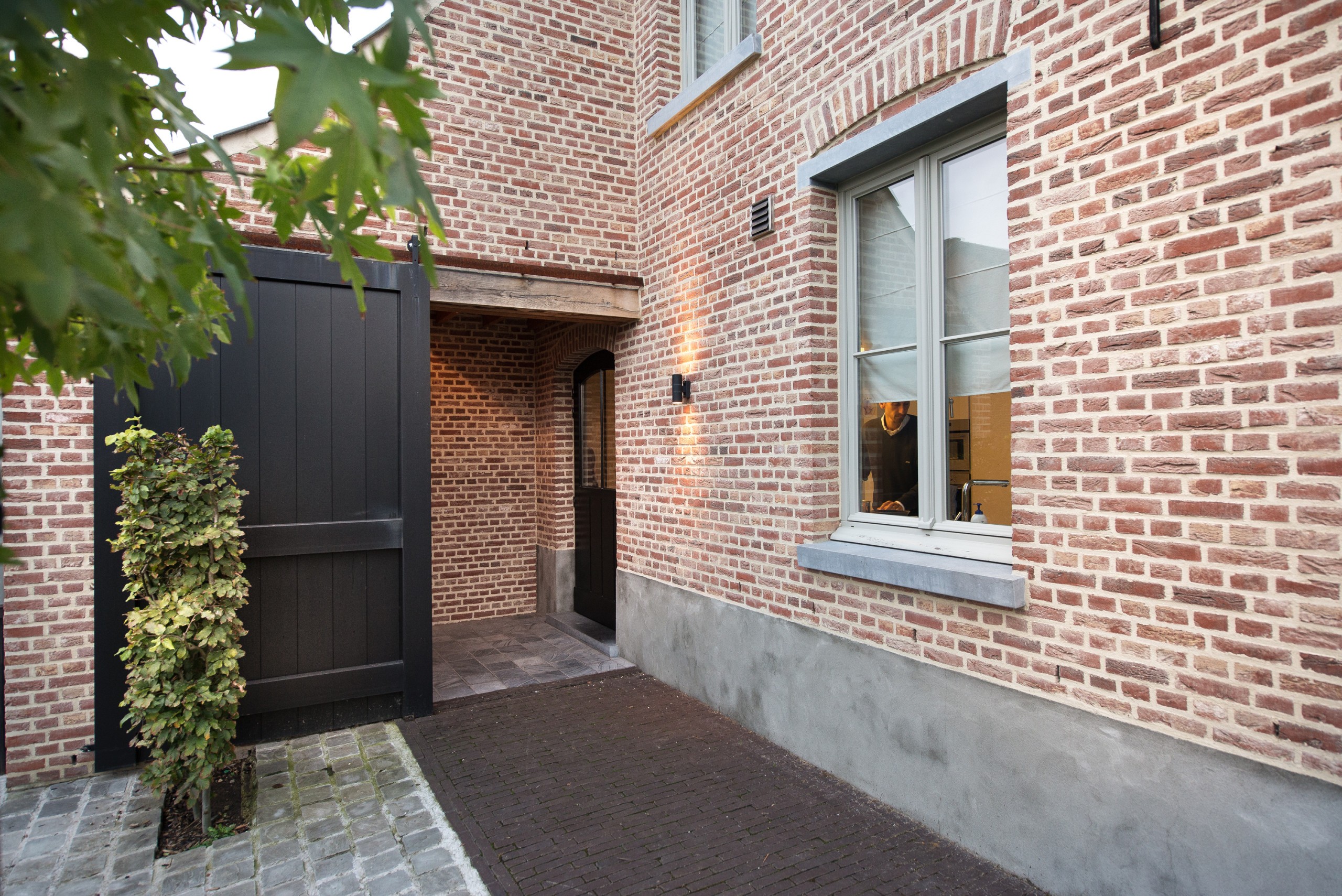
Grout
Grout determines up to 25% of the appearance of your façade. The colour of the grout strongly influences the appearance of your brickwork: a light grout colour emphasises the stone, while a darker grout colour creates a more subtle, sober look. Seeking an extra intense look? Opt for a tone-on-tone effect.
SEIFERT® Grout is a water-resistant, dust-free Belgian-made mortar, suitable for joints of 10 to 12 mm, perfect for new construction and renovation. This mortar combines aesthetics and quality, thanks to the use of carefully selected raw materials.
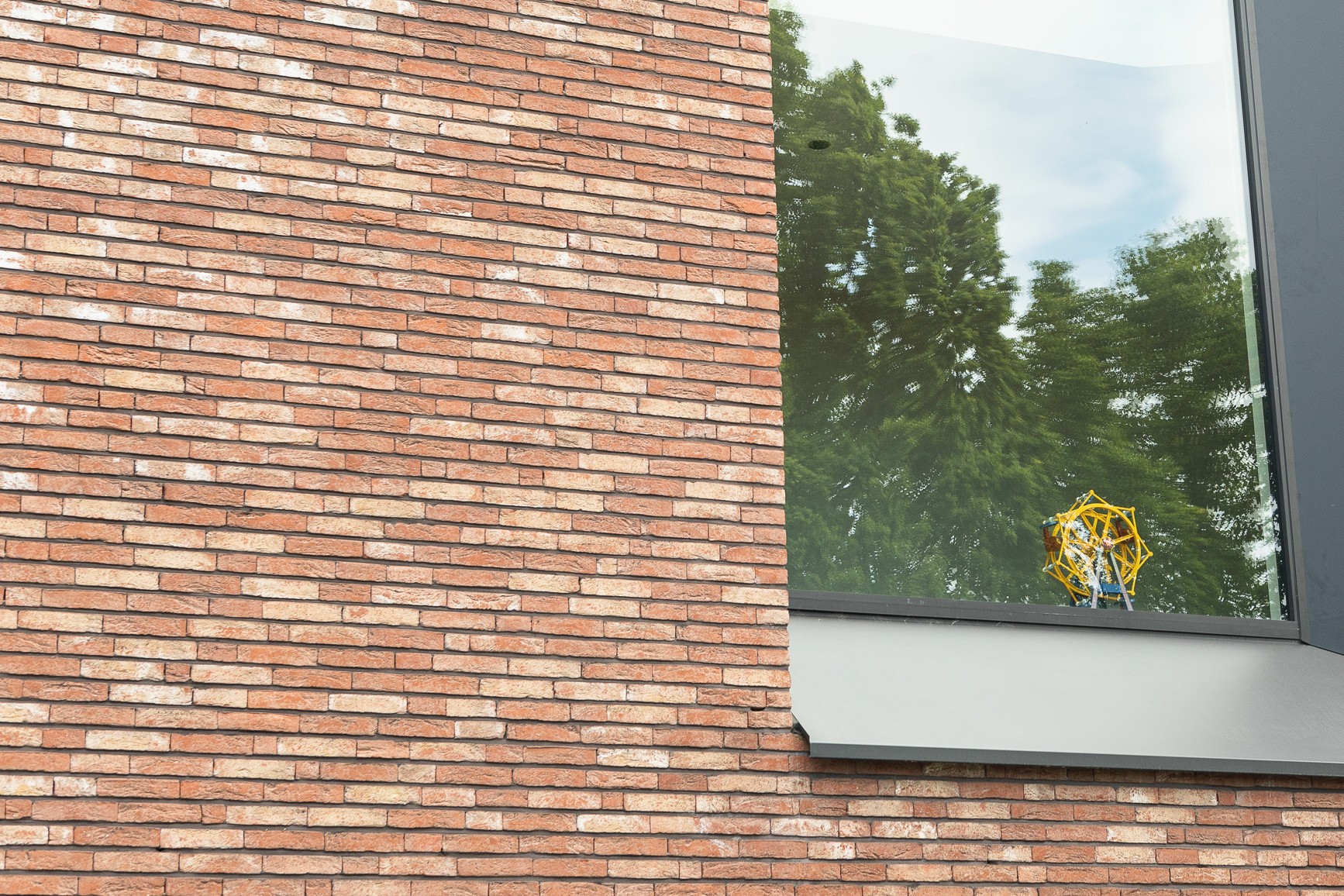
Thin-bed mortar
Thin-bed mortal is perfect for a more sleek and massive façade appearance. With joints of only 4 to 8 mm, grouting becomes unnecessary, while the colour intensity of the bricks is maximised.
Once finished, SEIFERT® thin-bed mortar has the same aesthetic properties as bonded brickwork and a higher adhesive strength than traditional brickwork. With the ability to process irregular stone sizes as an added advantage, this is a versatile solution.

Adhesive mortar
A bonded façade exudes a modern and minimalist look. Because the joints are barely visible (3 to 6 mm), it is all about the colour and texture of the brick. This creates an intense look and a sleek design.
SEIFERT® Adhesive Mortar is the perfect choice for a sophisticated, seamless façade.
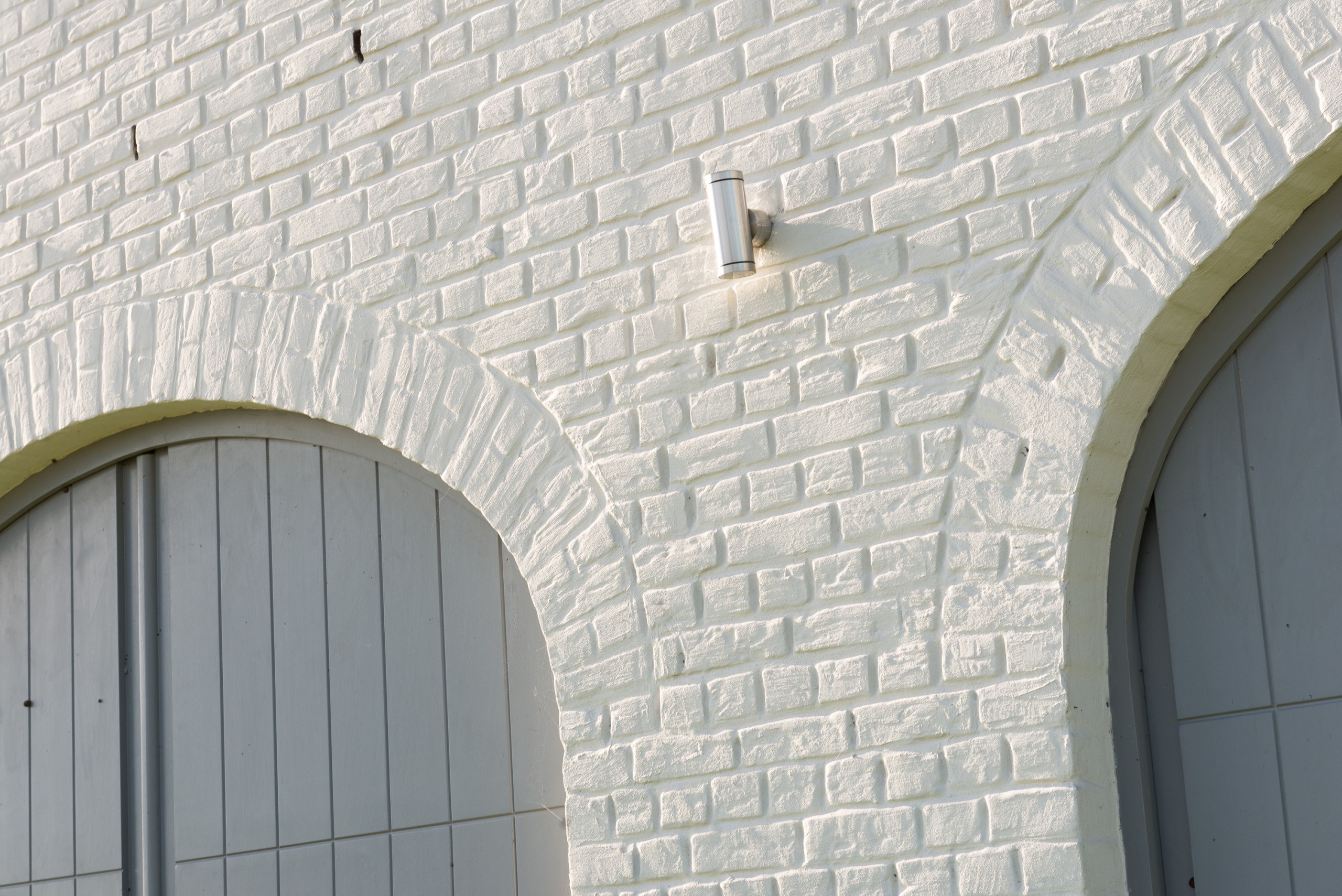
Whitewash
Whitewash is a mineral cement paint that has been used for centuries to give façades and walls an authentic look. The paint is applied several millimetres thick using a block brush, which leaves the structure of the brickwork visible while preserving the character of the façade.
In addition to its aesthetic appeal, whitewash also offers protection against the elements. Thanks to its breathability, it prevents problems that a fully sealed façade may be more prone to.
SEIFERT® Whitewash combines ease of use and durability thanks to its exclusive dust-free technology, for comfortable and efficient results.