The honest answer? That is entirely up to you.
Forget the labels "country" or "modern" for a second. A brick is actually just a chameleon. It isn't so much the brick itself that defines the style, but what you do with it. You (or your architect) are at the controls. By playing with the installation, mortar, and bonds, you can make the same brick look completely different three times over.
These are the 7 dials you can turn:
How do you process them? (The technique)
The way the brick sits in the facade is the foundation.
- Classic brickwork: With a joint of ±12 mm. This involves laying, raking out, and pointing separately later. You clearly see both brick and joint.
- Pointed flush (Joint-on-tool): Here, the joint is finished directly during laying (often with a tool). Because you don't have to point afterwards, it is faster. The joint is often slightly recessed, which creates a beautiful shadow line.
- Adhesive or Thin-bed mortar: Here, the joint is minimal (±4-6 mm). The brick does all the work. You get one solid surface, which works perfectly for modern, sleek facades.
-
Classic brickwork -

Pointed flush (Joint-on-tool) -

Thin-bed mortar -

Adhesive mortar


Vary the mortar width
You don't have to use the same joint thickness everywhere.
- Standard: Everything the same thickness (or thinness) for a calm look.
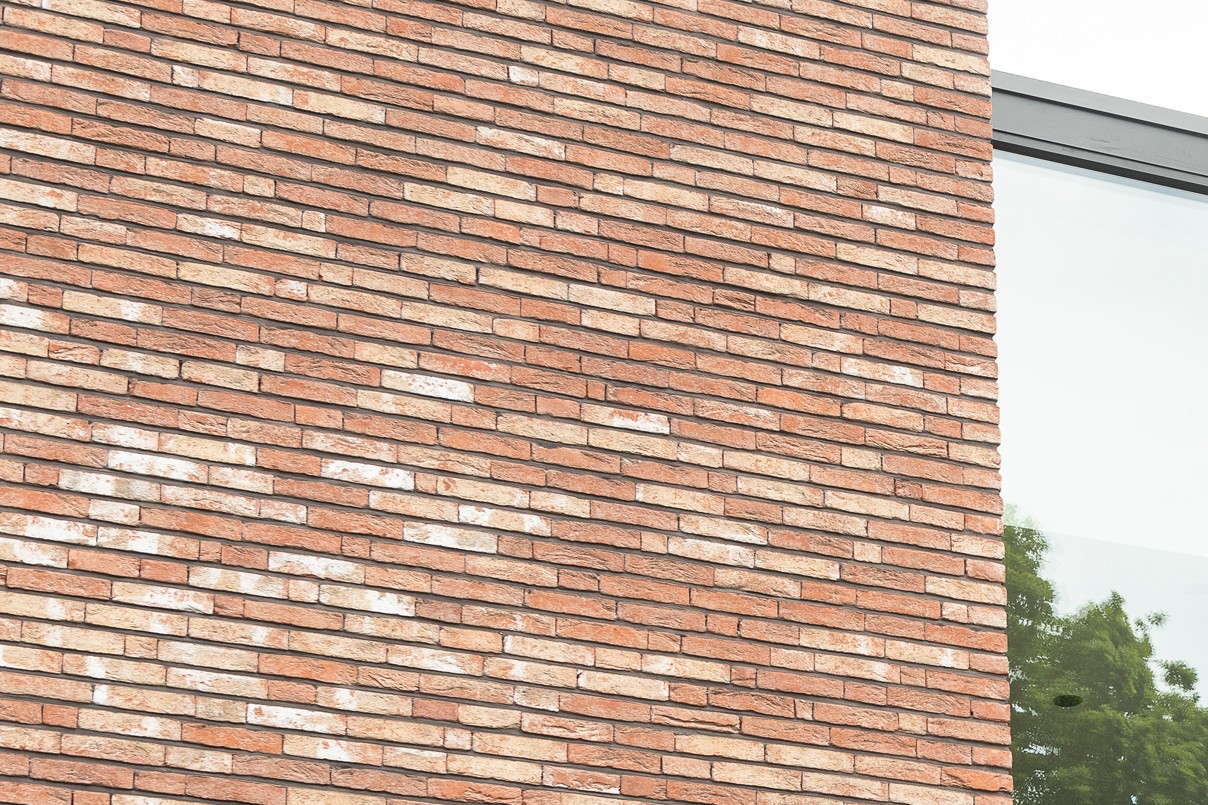
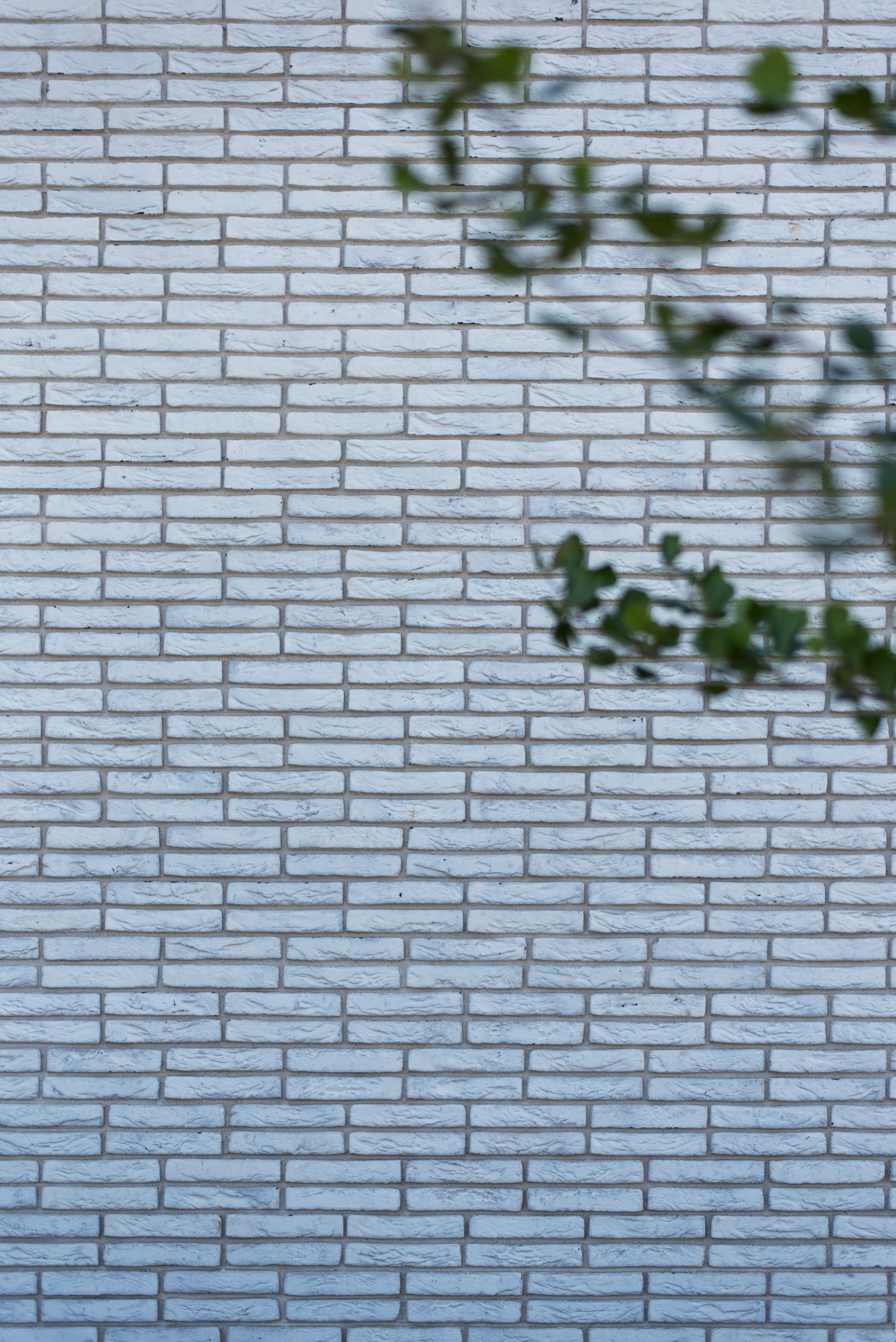
- Line play: If you make the vertical joint (perpend) very thin and the horizontal (bed joint) a bit thicker, you optically stretch your house and get those long, modern horizontal lines.
-

Klampsteen Kesselt with standard joint -
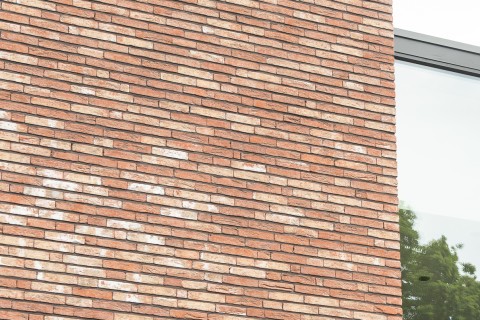
Klampsteen Kesselt with thin vertical joint
The colour: Contrast or camouflage?
This is often underestimated but has a massive impact.
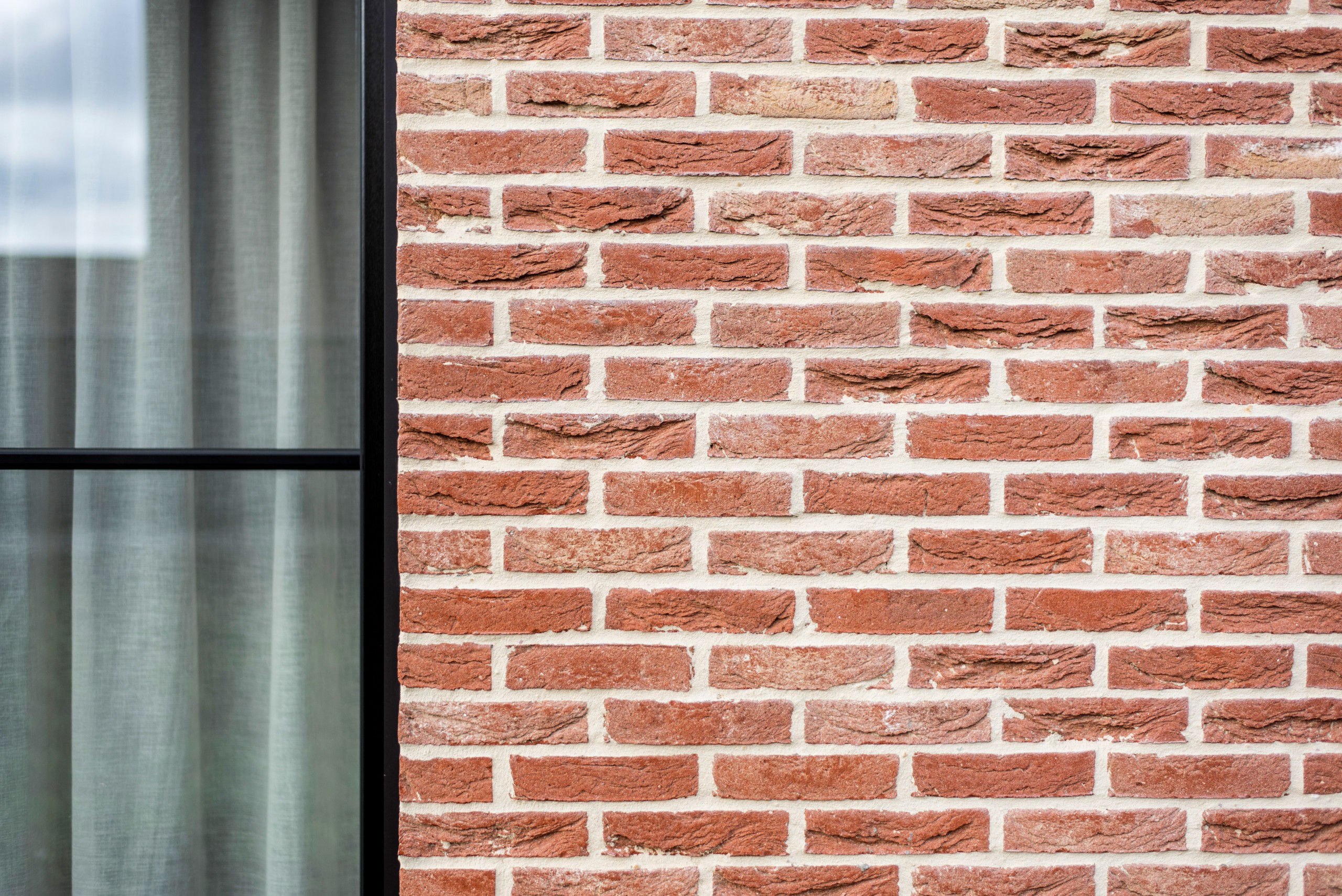
- Contrast: A light brick with a dark joint (or vice versa) emphasises the 'grid pattern'. This often looks more traditional or country-style.
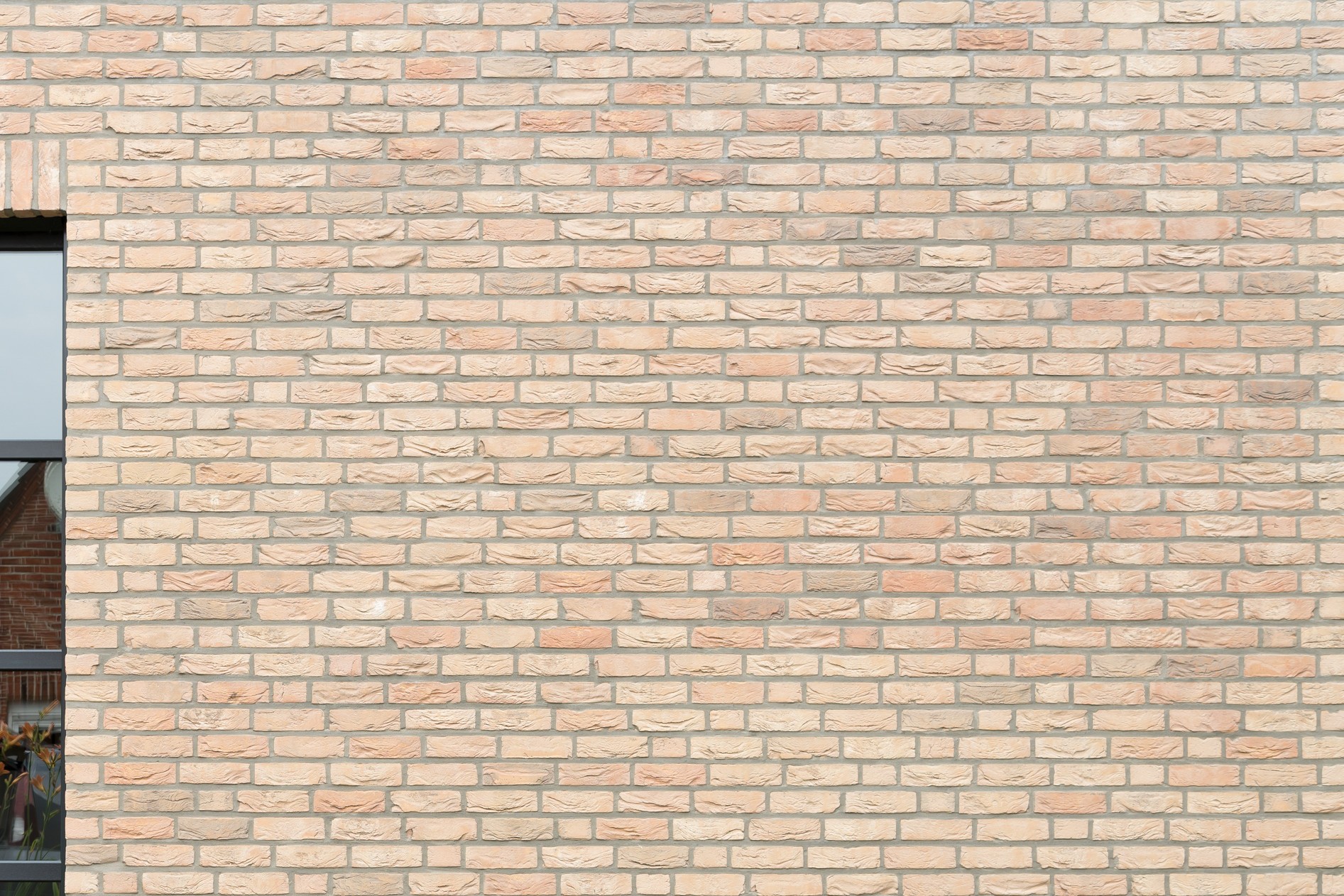
- Tone-on-tone: If you choose a mortar in the exact same colour as the brick, they blend into one another. Even a rough, irregular brick suddenly becomes a sleek, modern surface.
-

Monet with beige joint -
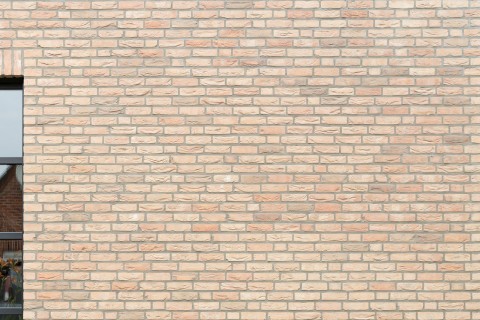
Monet with grey joint

The bond (The pattern)
Bricks don't just have to be stacked "half-and-half". The pattern determines the atmosphere:
- Calm & Regularity: Stretcher bond is the safe classic with a fixed rhythm.
- Natural & Timeless: Wild bond looks casual and lively because it follows no fixed pattern. This is often the standard for a facade with character.
- Graphic & Modern: Choose a stack bond (all joints aligned vertically) or a block bond (bricks stacked in twos in a staggered block) for a graphic grid.
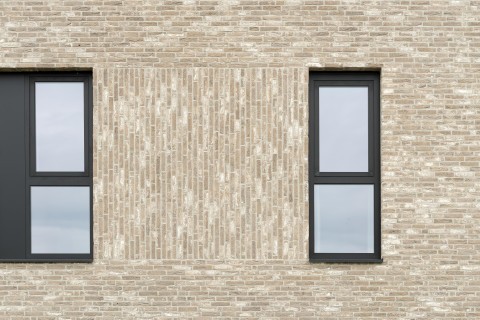
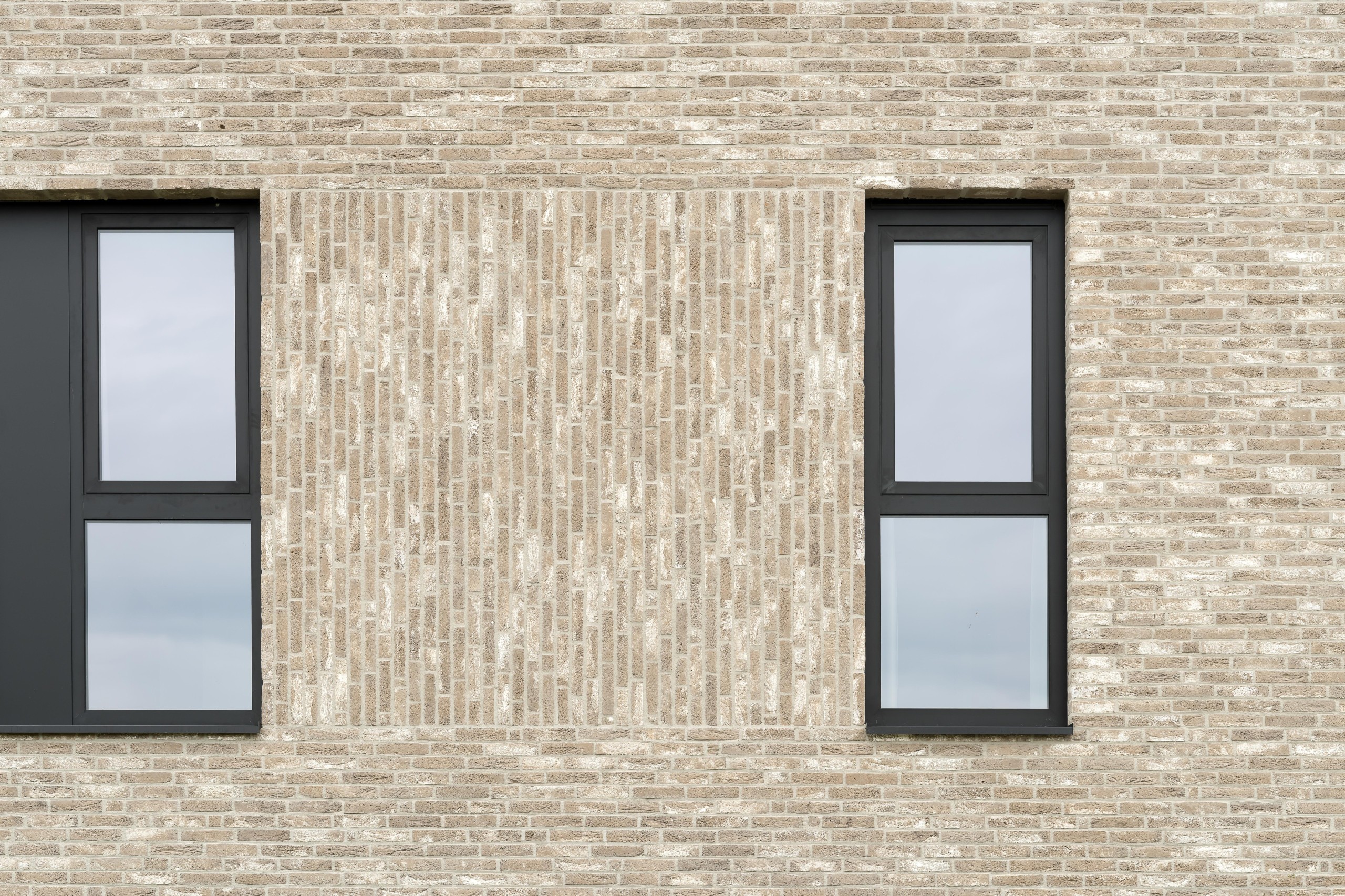
- Vertical brickwork: By placing bricks upright (like a soldier course or over the full facade height), you create an impressive vertical play of lines. Ideal for accentuating specific facade parts.
Want to know the difference between a header, cross, or random bond?
-

Helena in stretcher bond -
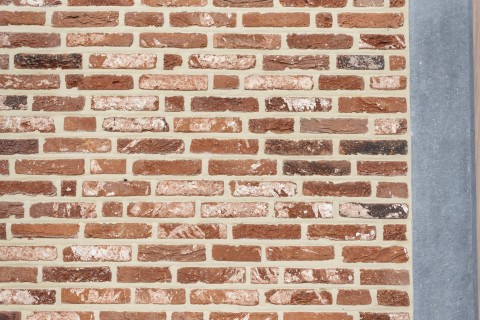
Helena in wild bond -

Helena with detail in vertical brickwork -
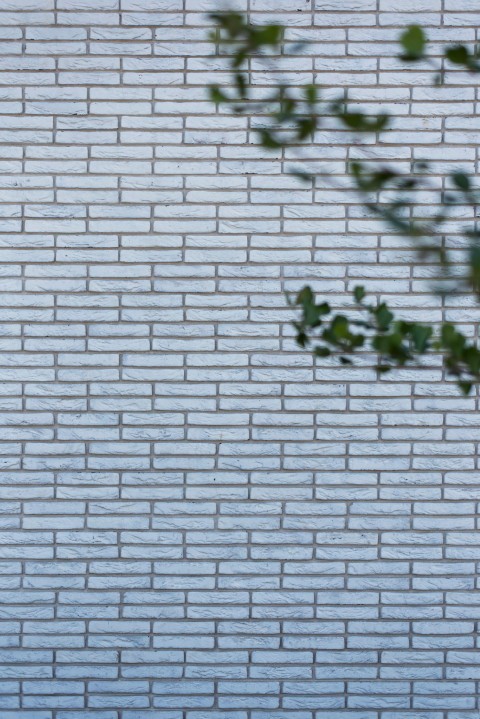
Nevoso in block bond -
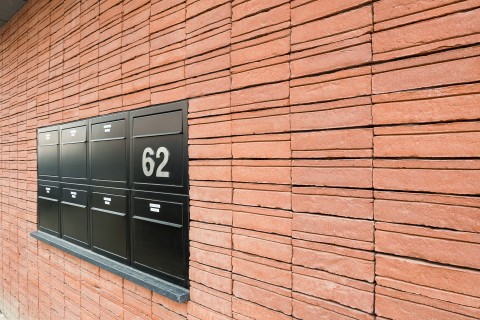
Rosso DUBIO 1 in stack bond -
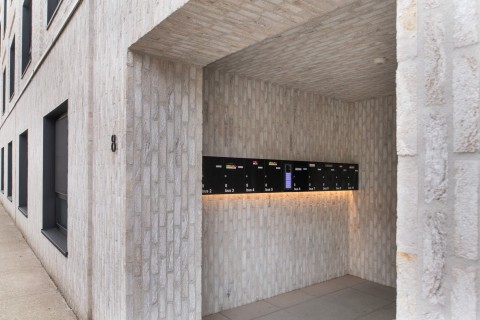
Crema in vertical brickwork

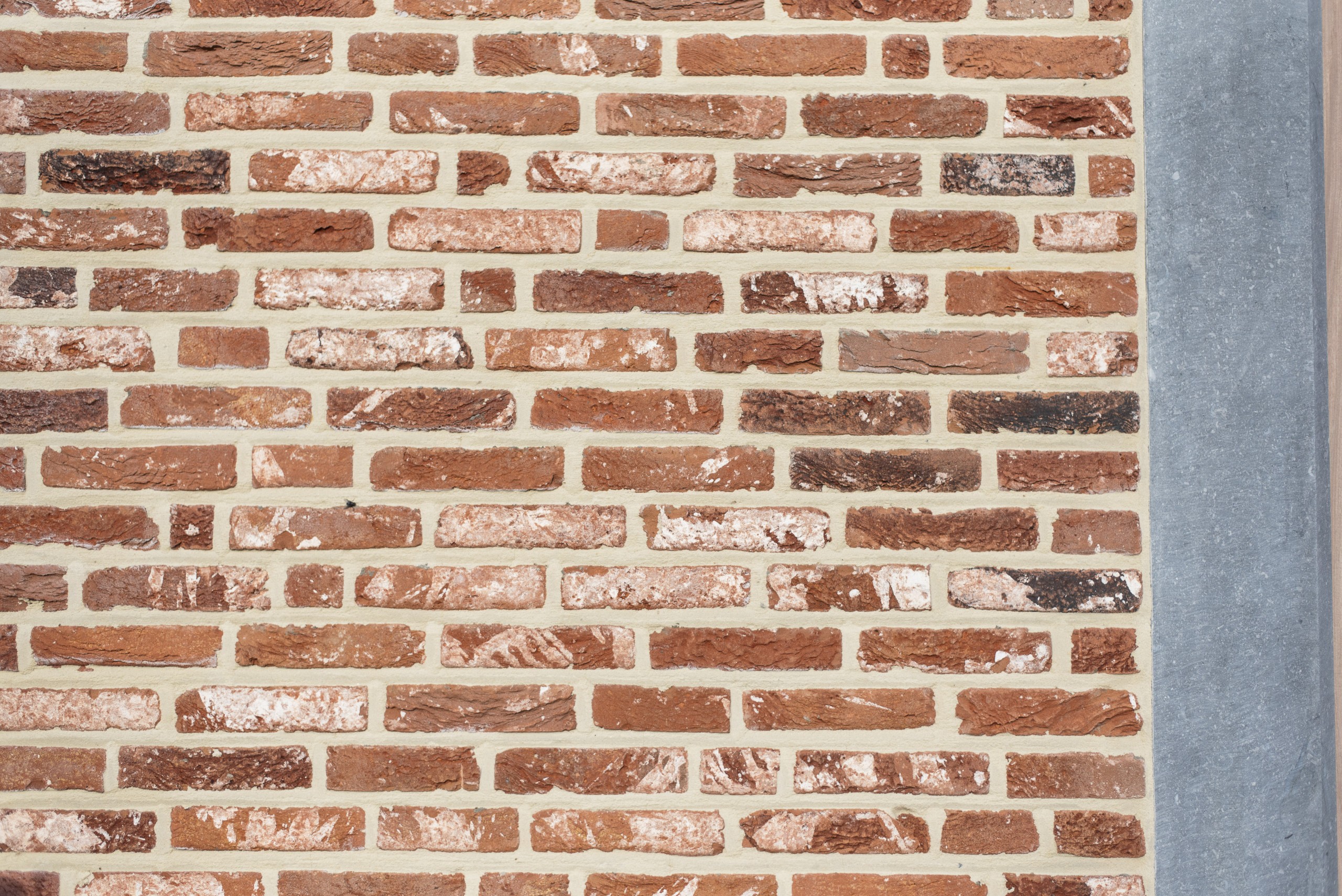

The texture (Hand-moulded or Wasserstrich?)
The 'skin' of the brick also guides the style.
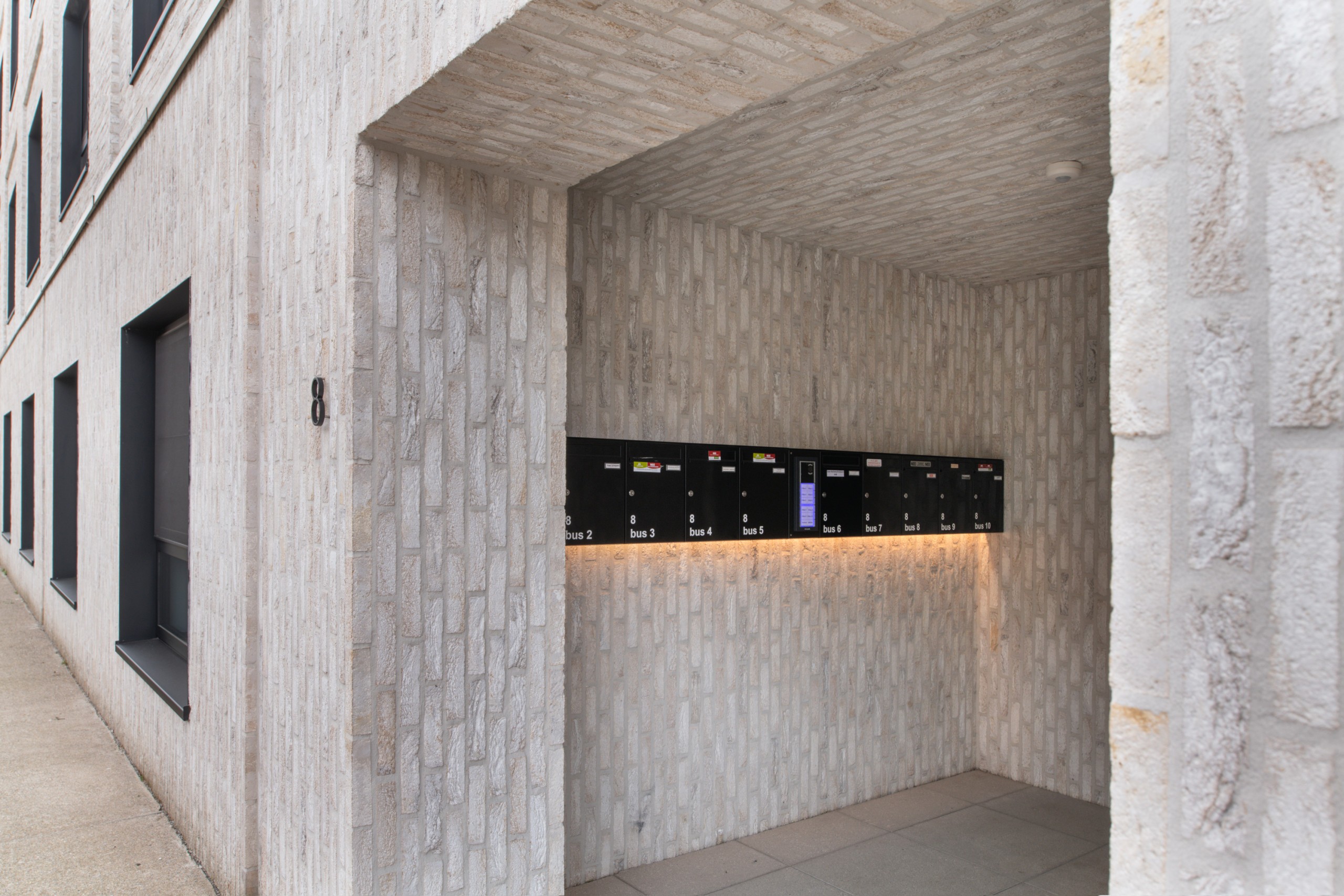
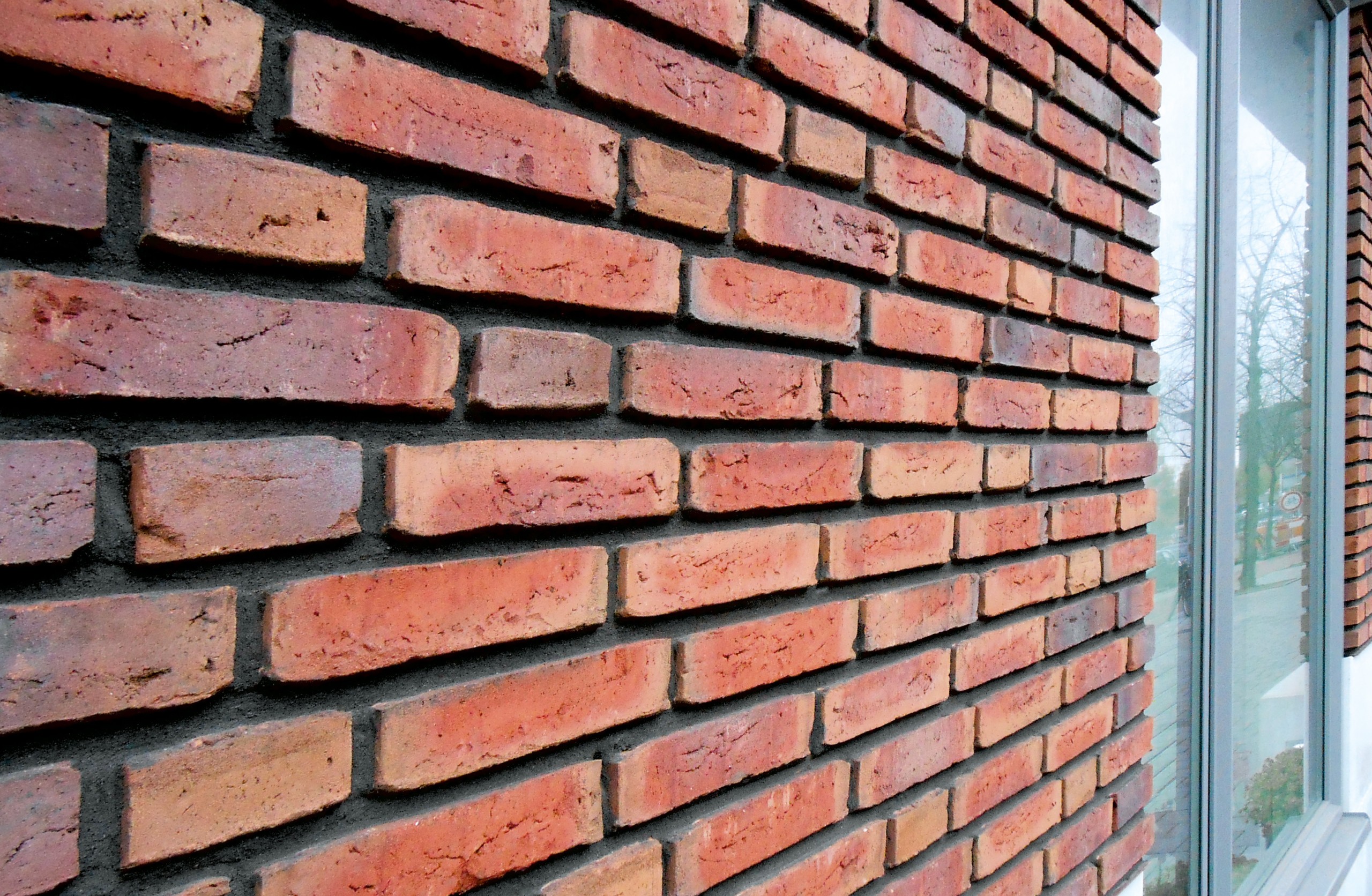
- Hand-moulded (grained & sanded): The all-rounder. In a country home, it provides that authentic, weathered character. But make no mistake: in a sleek modern home, a rough hand-moulded brick provides an exciting contrast and warmth.
- Wasserstrich (smooth & unsanded): These bricks are unsanded and smoother, letting the pure colour of the clay speak. This leans closest to modern or minimalist architecture. For a classic rectory style, this is often just a bit too stark.
-

Classic house in Salto -

Modern house in Razzo -

Facade in Telica Wasserstrich


3D effects & details
The icing on the cake. This makes the facade unique and architectural:
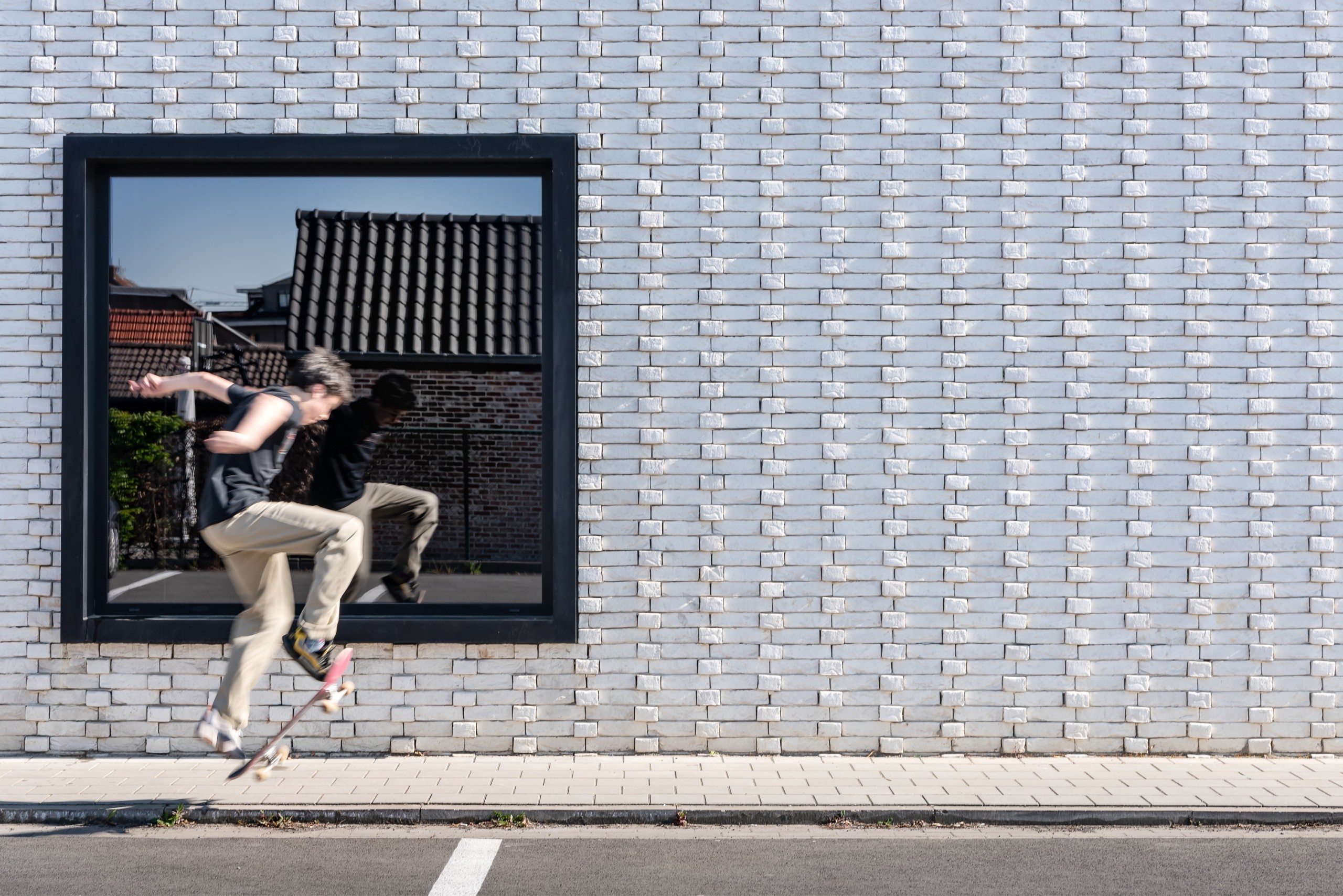
- Depth: Think of large wall surfaces that are slightly recessed (like a 'blind window' or niche). This breaks the mass of a large building.
- Relief: Let individual bricks or entire rows protrude (or recede). This creates a constantly changing play of shadows as the sun moves.
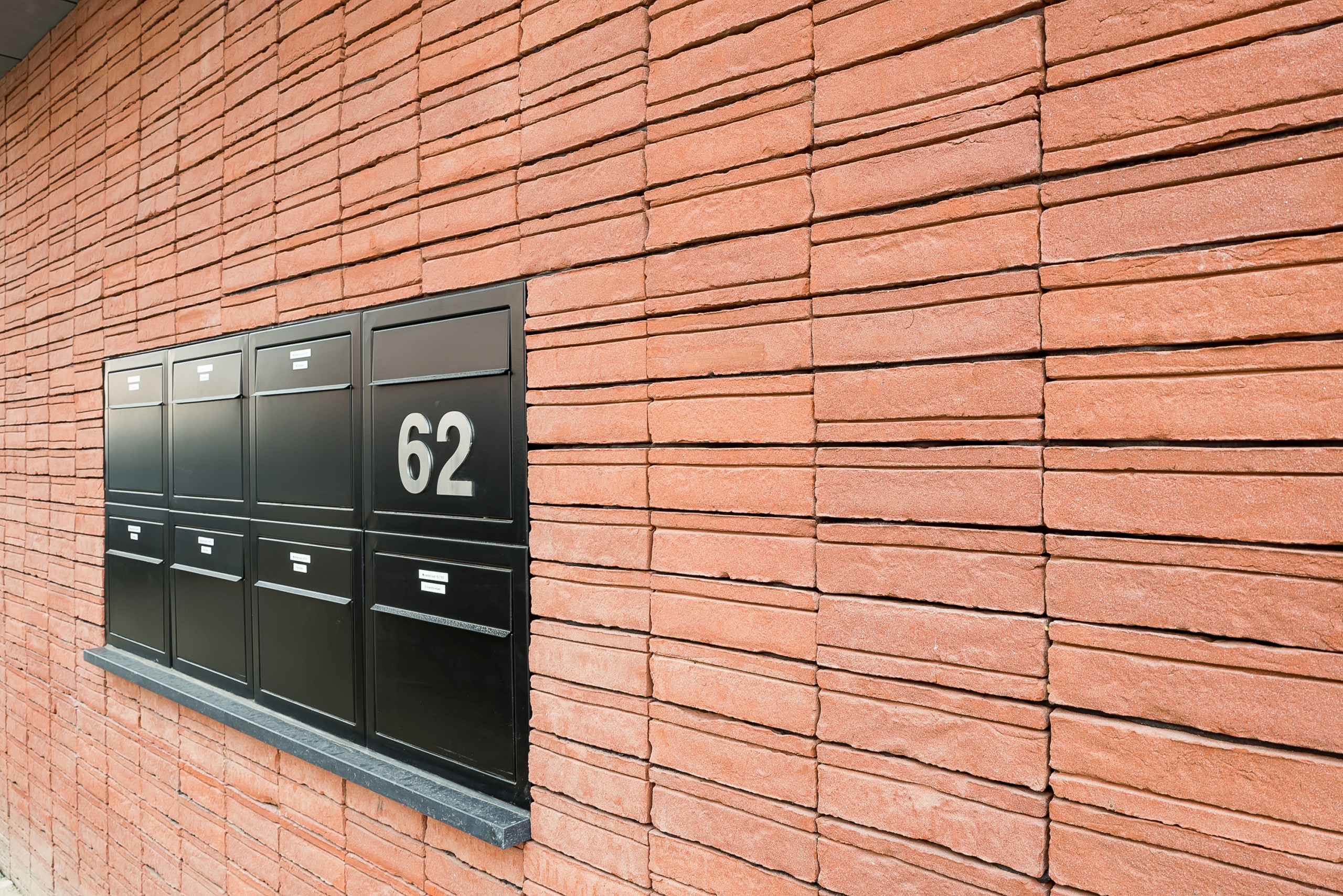
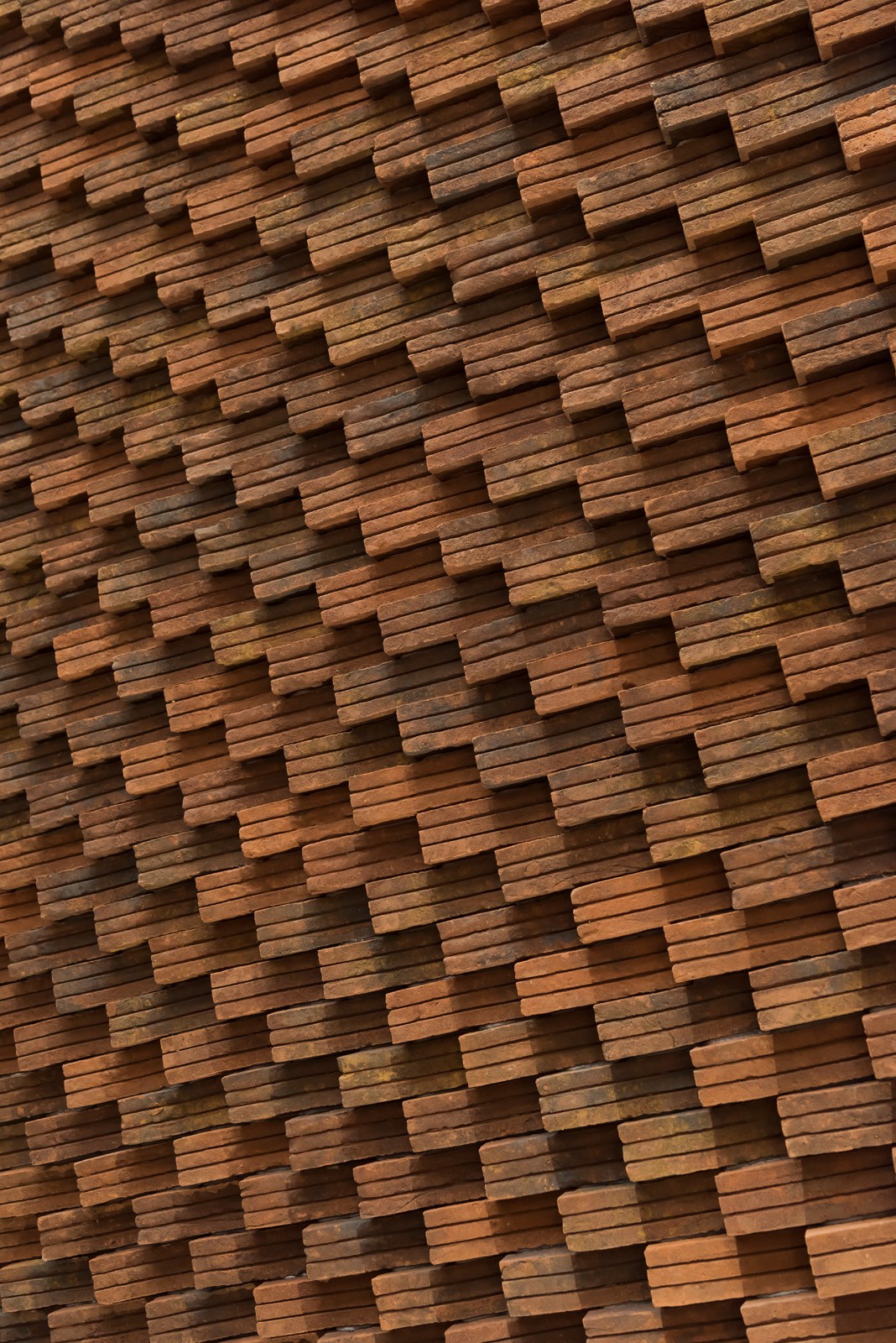
- Structure (scales): By placing the bricks in a sawtooth pattern, a richly nuanced surface is created. Instead of a flat plane, you get a facade with depth that changes character depending on the viewing angle.
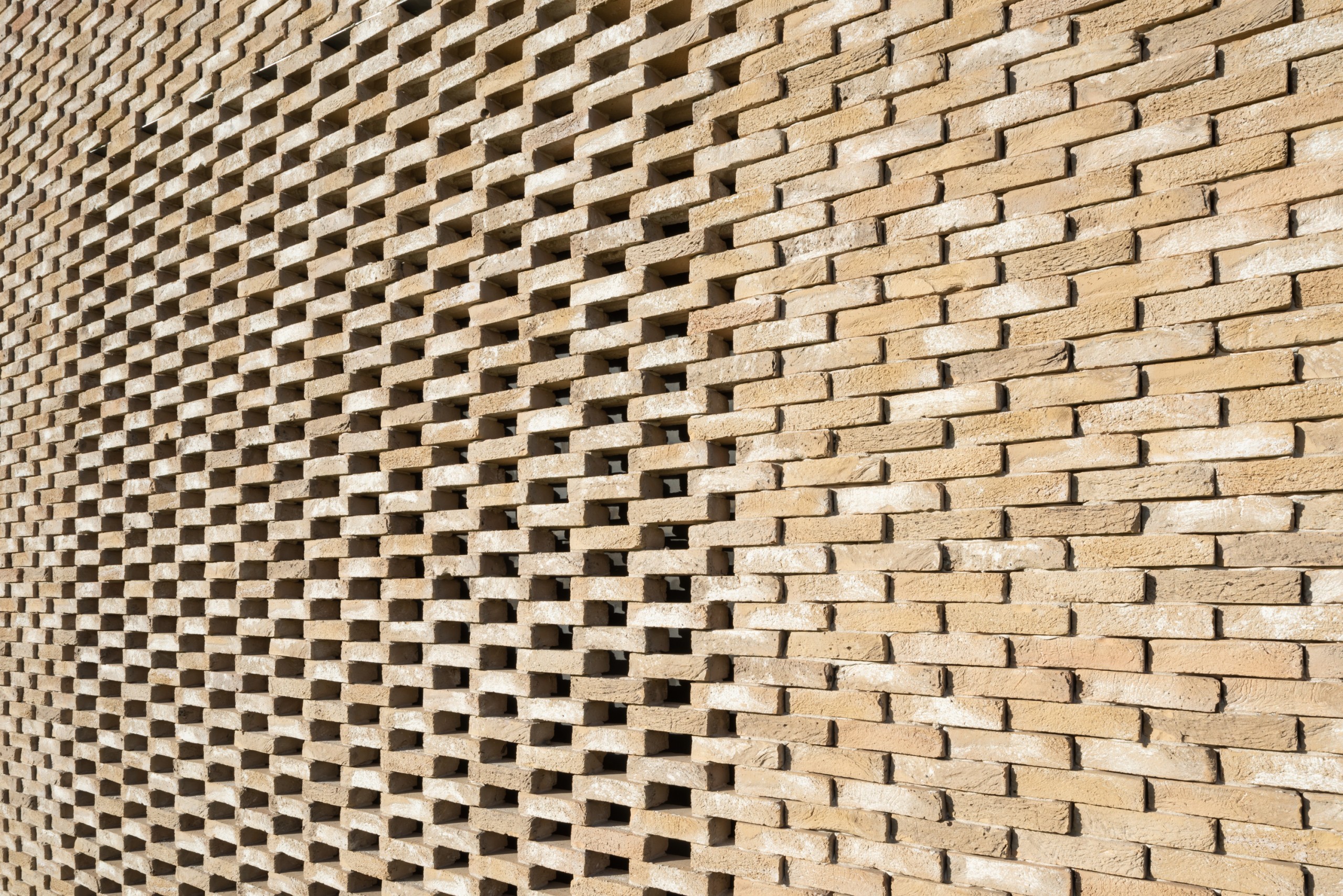
- Claustra: The well-known perforated brickwork (hit-and-miss). Modern as a 'filter' for a window, classic as an ornament.
-
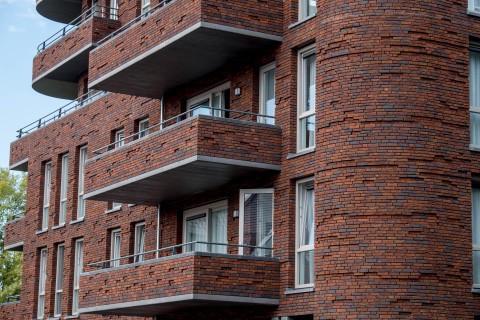
Relief brickwork -

Claustra -
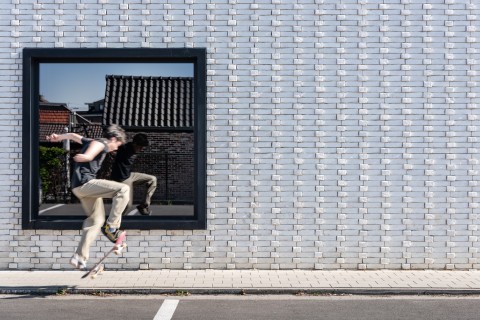
Relief brickwork -

Blindfenster -

Claustra & scales -

Relief brickwork -
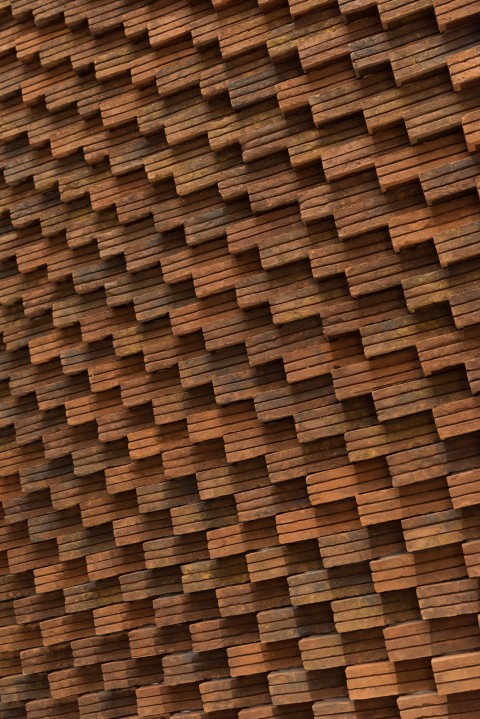
Scales in Salto DUBIO 2
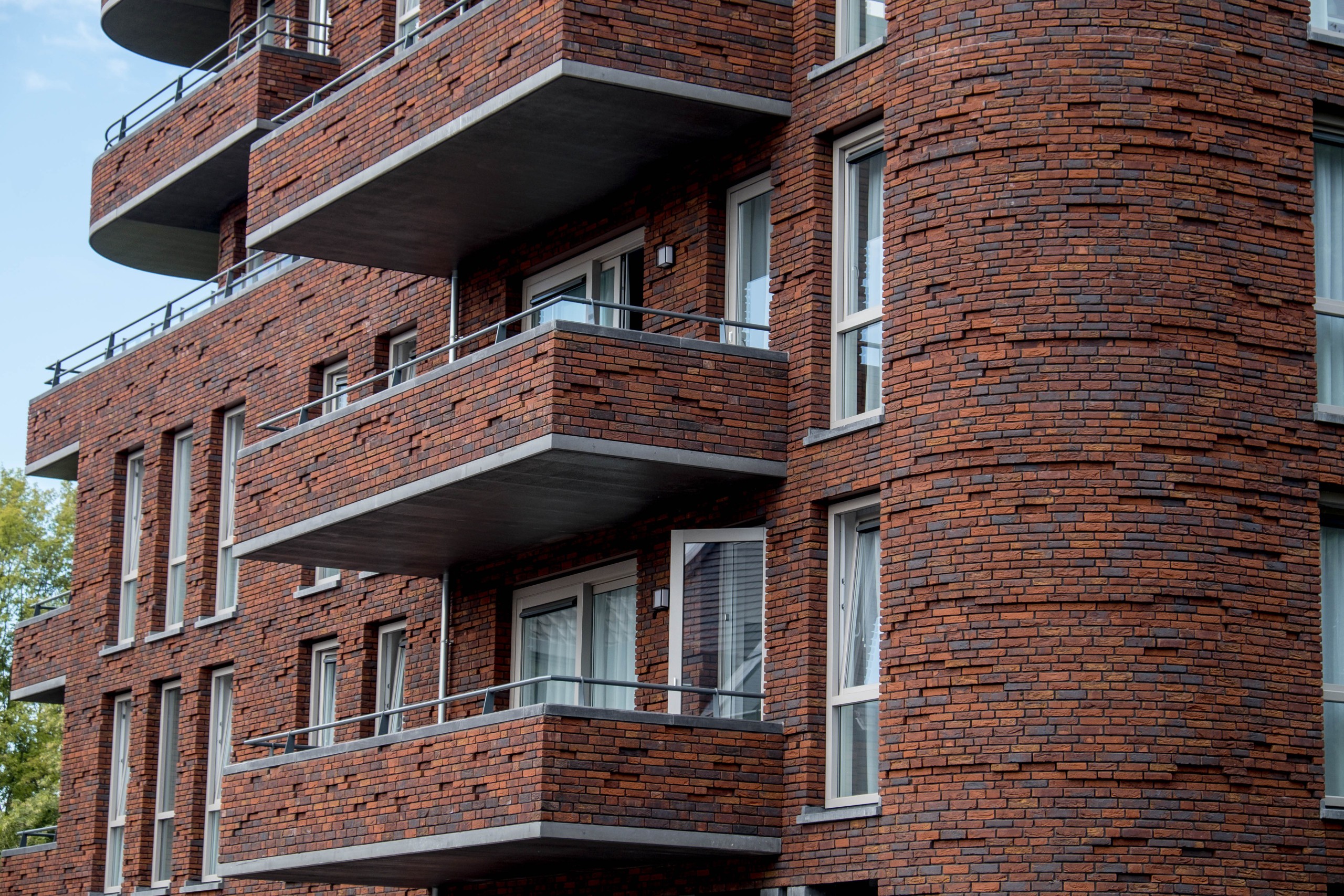



The format
Size matters. The dimensions of your brick determine the 'grid' of your facade.
- Timeless: A classic Waal format (WV 50) provides a familiar, balanced look that works in any style.
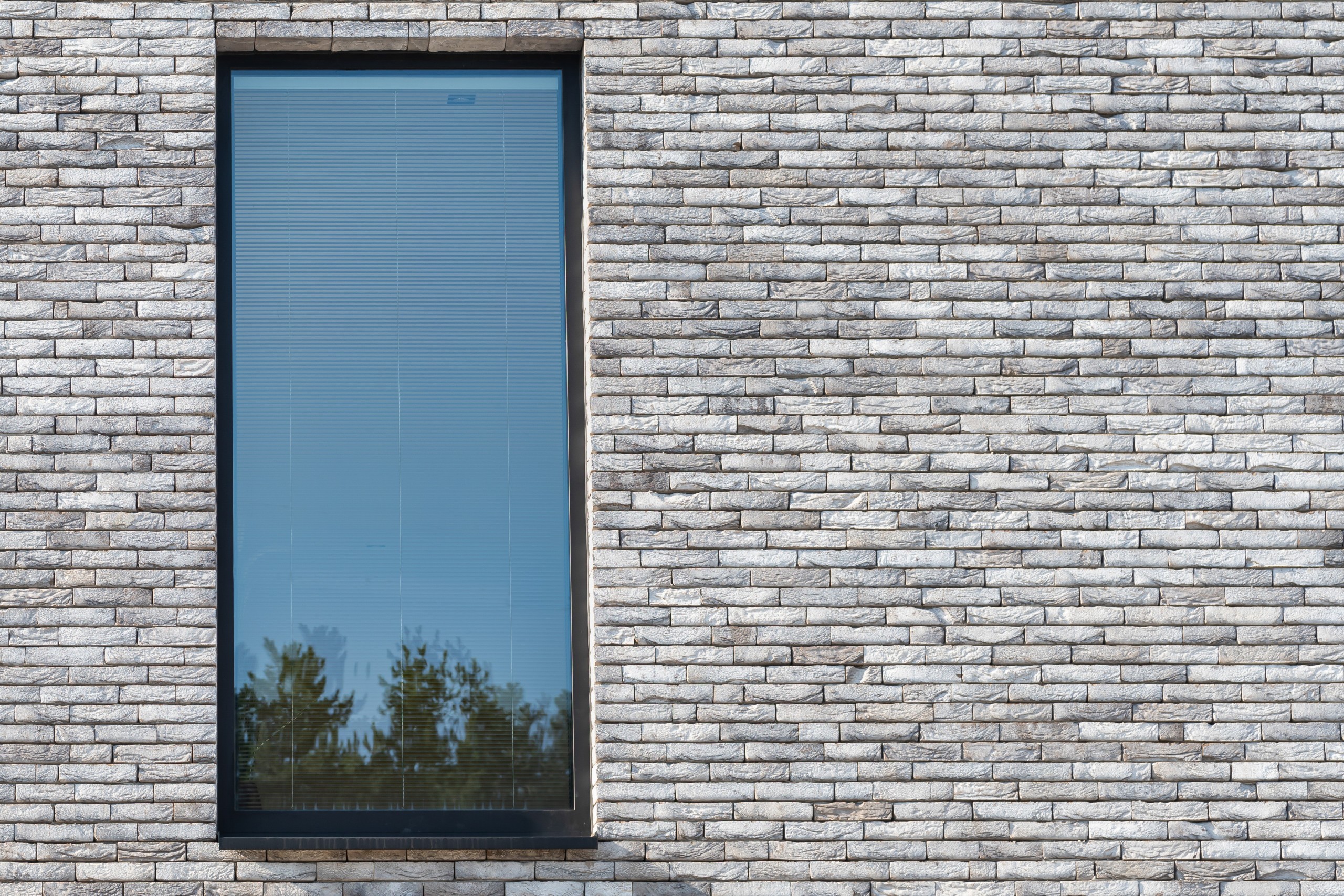
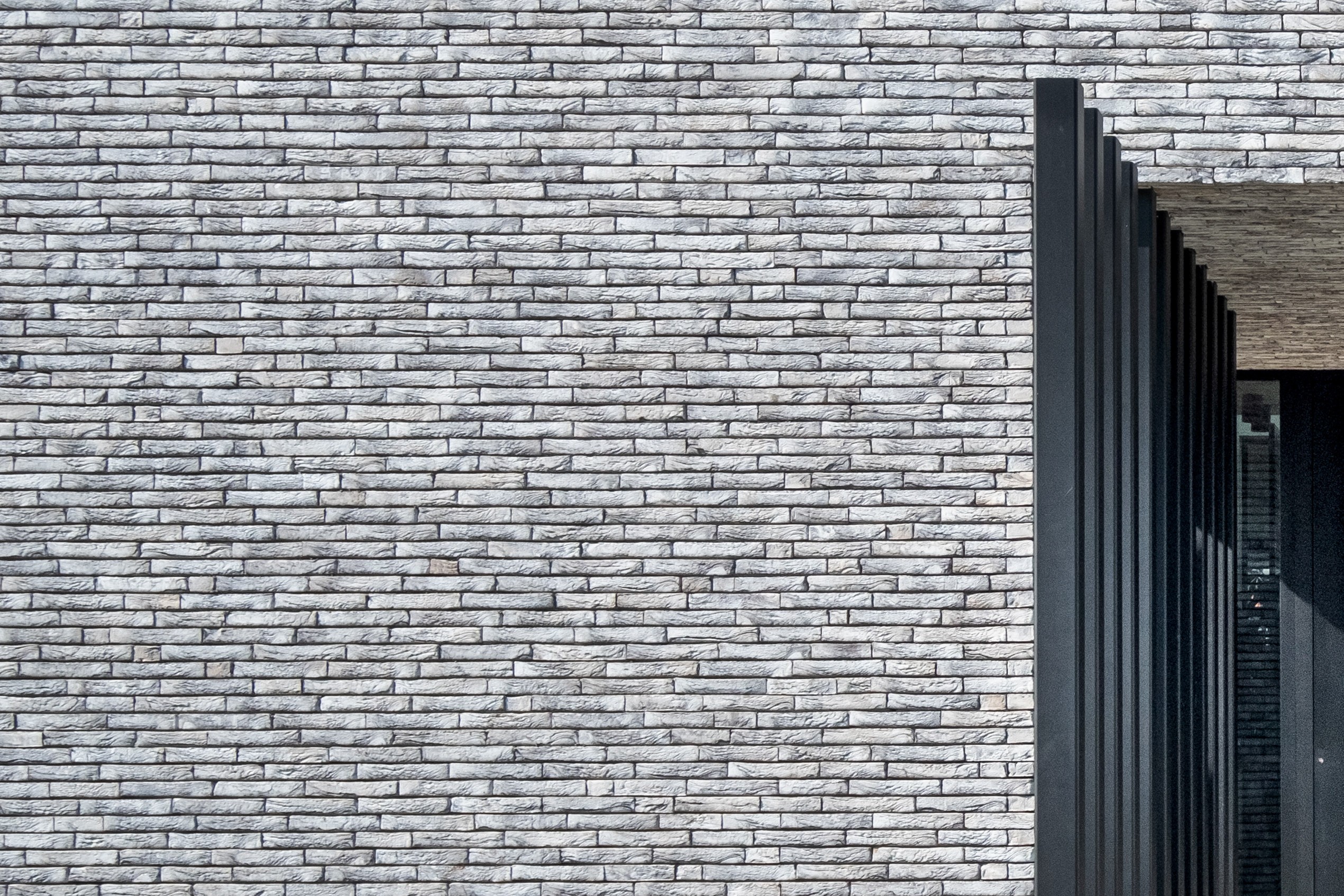
- Exclusive: Long, narrow bricks (like our N70) emphasise the horizontal lines of a building. This immediately gives that architectural, stretched look you often see in modern villa construction.
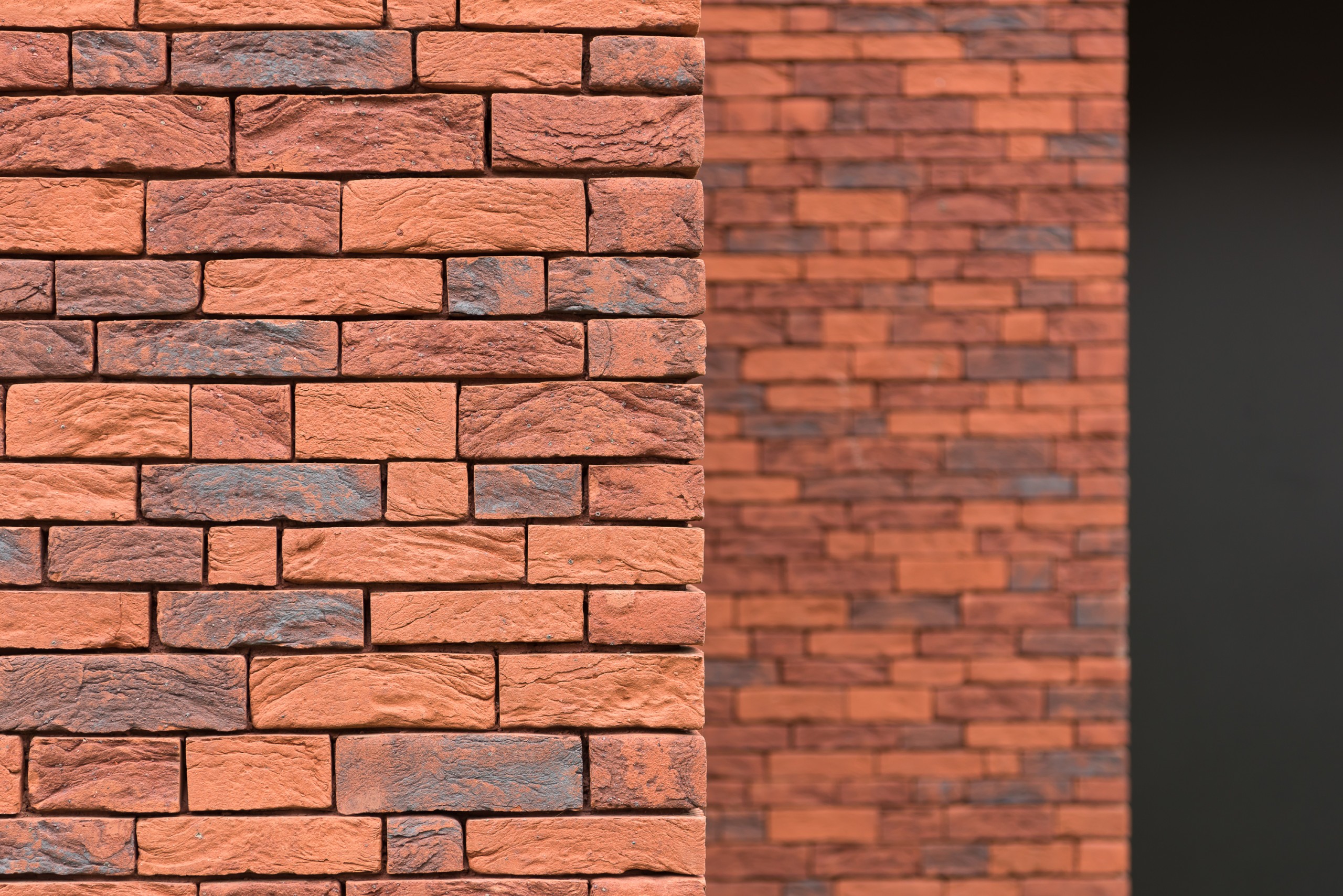
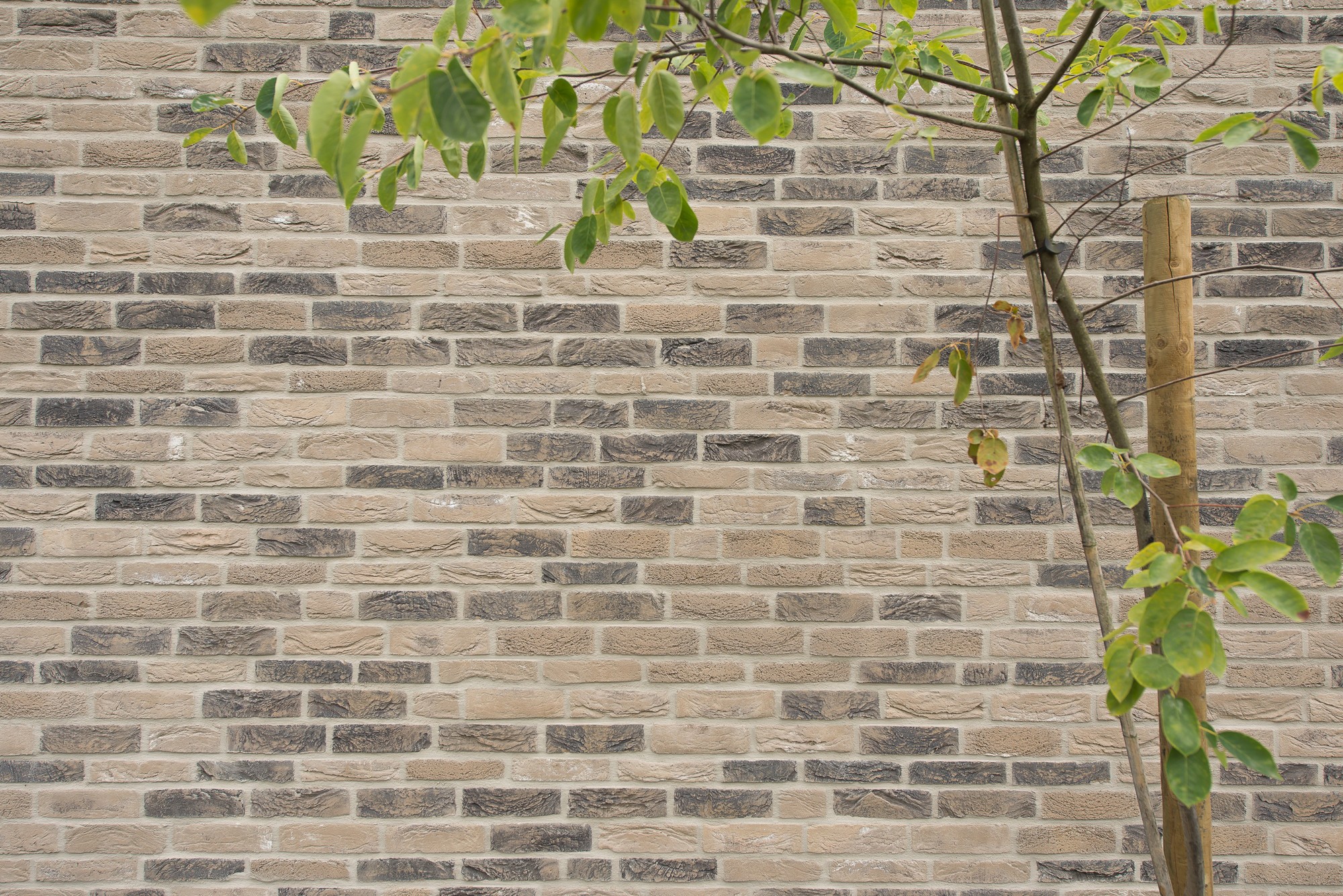
- Mix & Match (Playful & Modern): Dare to combine formats. By mixing different heights – for example rows of 50 mm and 65 mm high – you break the traditional pattern and your facade gets a unique, dynamic texture.
- Ecological & practical: The format not only influences the look but also the thickness of your outer wall, the insulation space, and the efficiency on site.
Want to know what effect a specific format has on your building budget or insulation thickness? Read all about the impact of your format choice here.
-
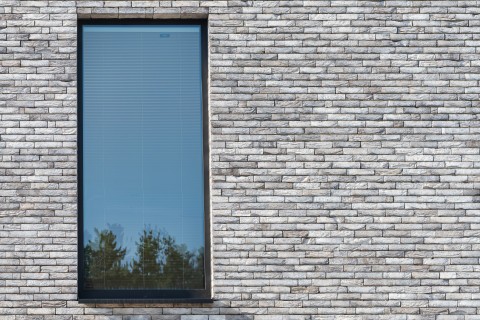
Modern facade in WV 50 -
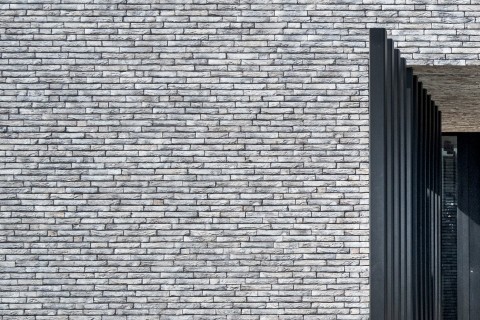
Modern facade in N70/4 -
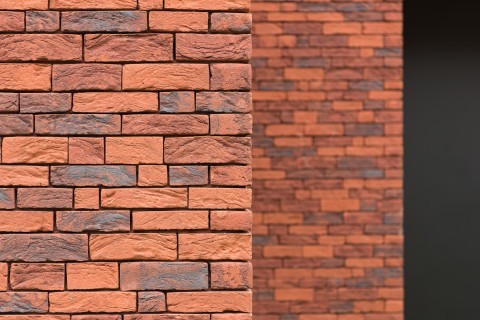
Autrique glued in WV 50 and WV 65 -
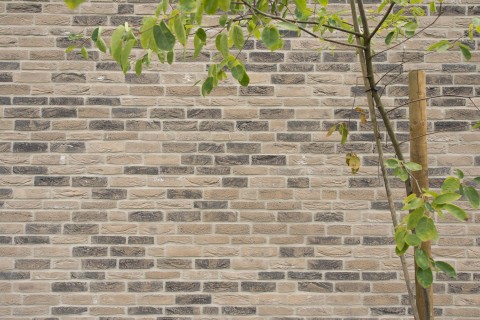
Lava with joint in WV 50 and WV 65 -
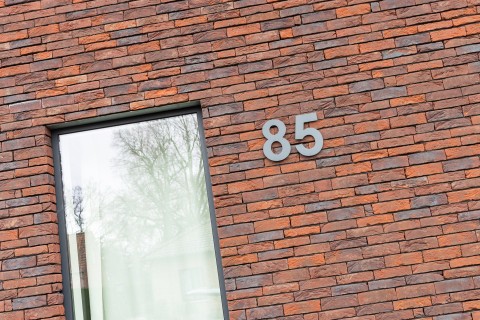
Bravo glued in WV 50 und WV 65
In short:
Don't let yourself be boxed in by style labels. Just choose the brick you like in terms of colour and structure. The style? You create that yourself afterwards with the processing.


