Opting for timeless architecture means opting for character. When building or renovating a premium property, the choice of brickwork is perhaps the most defining architectural decision you will make. From an elegant Neo-Georgian facade or an Arts & Crafts inspired detached home, to a robust country farmhouse: the architectural landscape is rich and deeply rooted in tradition.
The appearance of all these properties relies heavily on the texture, colour, and quality of the materials. But how do you find the facing brick that creates exactly the right atmosphere and heritage feel amongst all the available options?
Whether you dream of a formal, stately look or a highly textured, rustic finish: discover the essential criteria for an authentic facing brick and how to make the right choice for your building project.

Characteristics of a traditional facing brick
What makes a facing brick truly classic or rustic? It is not a smooth, machine-made finish, but rather the charming imperfections and layered depth we associate with historical buildings. If you are looking for that typical, warm appearance, pay attention to the following features:
- Nuance and hand-moulded texture: A traditional brick needs to come alive. Hand-moulded bricks feature a creased, irregular structure that provides a natural relief and a beautiful play of shadows on the elevation.
- Authentic colour variations: No historical facade is entirely uniform. Warm base colours (from soft red and orange to warm, earthy greys) subtly alternate within a single batch, creating a harmonious and established appearance.
- The reclaimed and weathered look: Within our Classico, Baekelsystem, and Hammered series, you will find specific tumbled variants or bricks finished with subtle traces of lime and cement. This finish gives your facade an authentic, weathered patina – offering the highly sought-after aesthetic of reclaimed bricks, but with the guaranteed quality and frost resistance of new masonry.
Which traditional architectural style suits your project?
With the right facing brick and bond, you can steer the result in exactly the desired direction. Which property type are you aiming for?
Georgian & Neo-Georgian
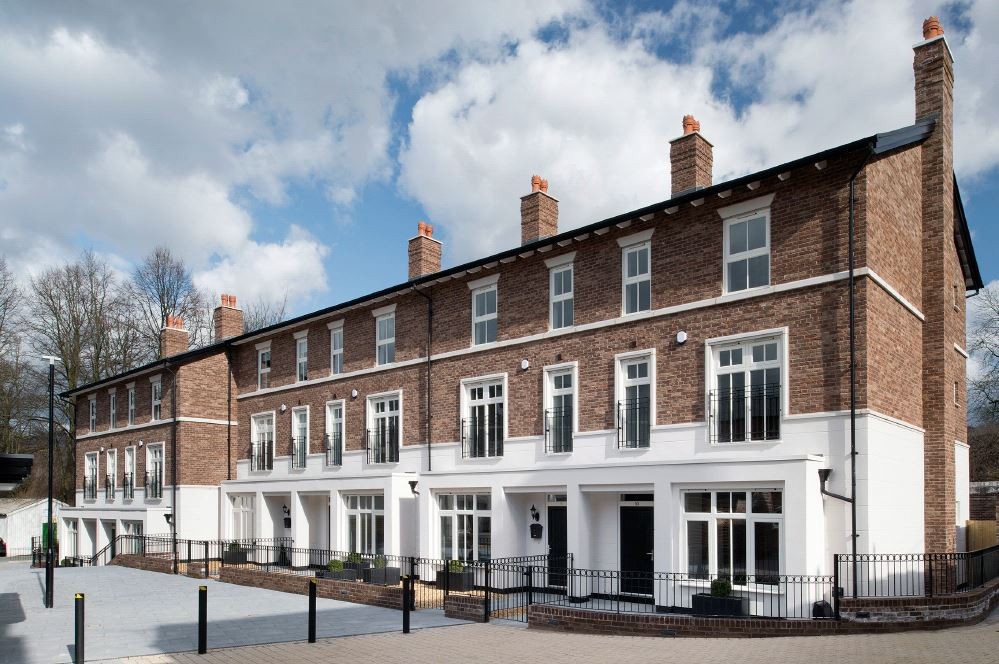
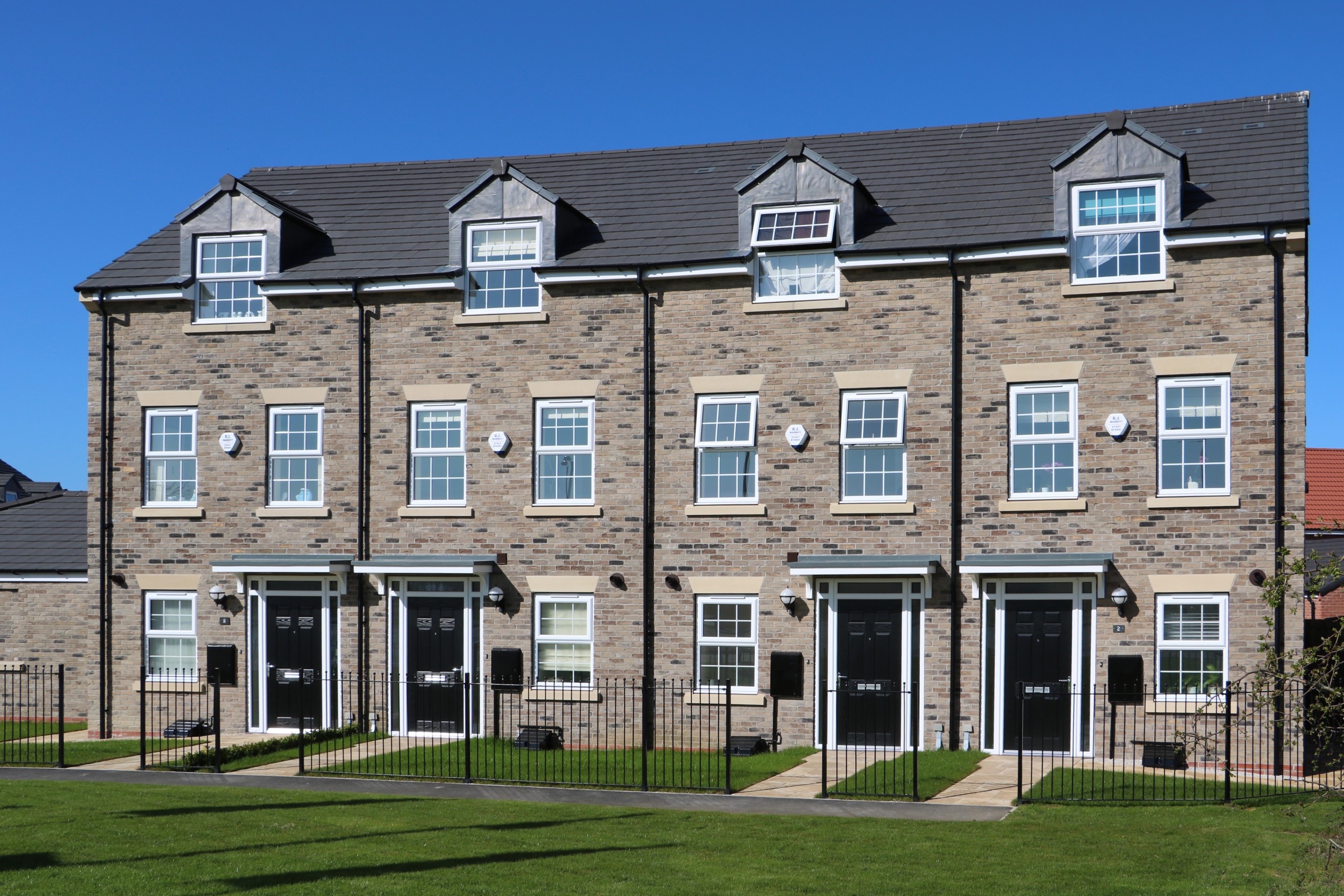
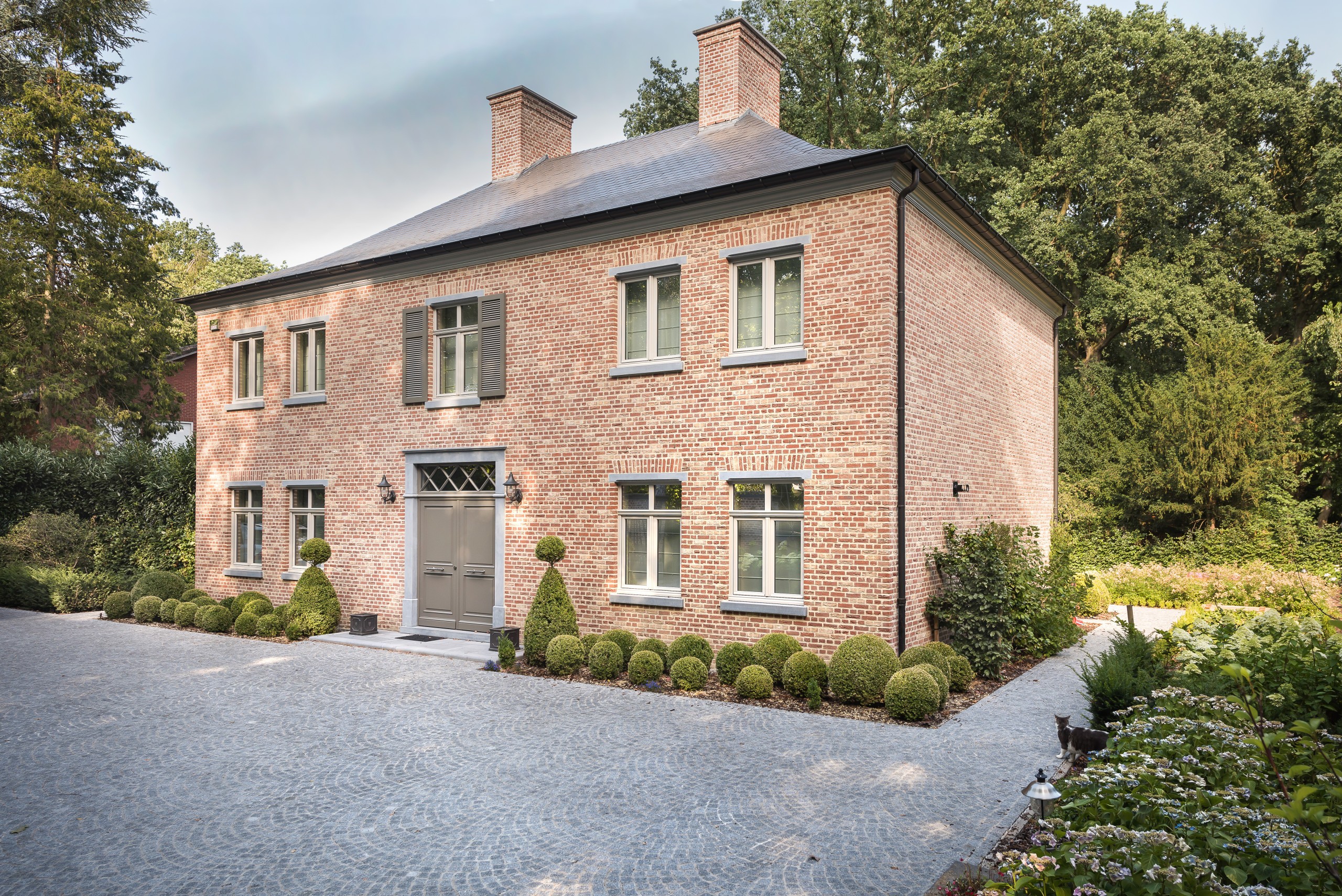
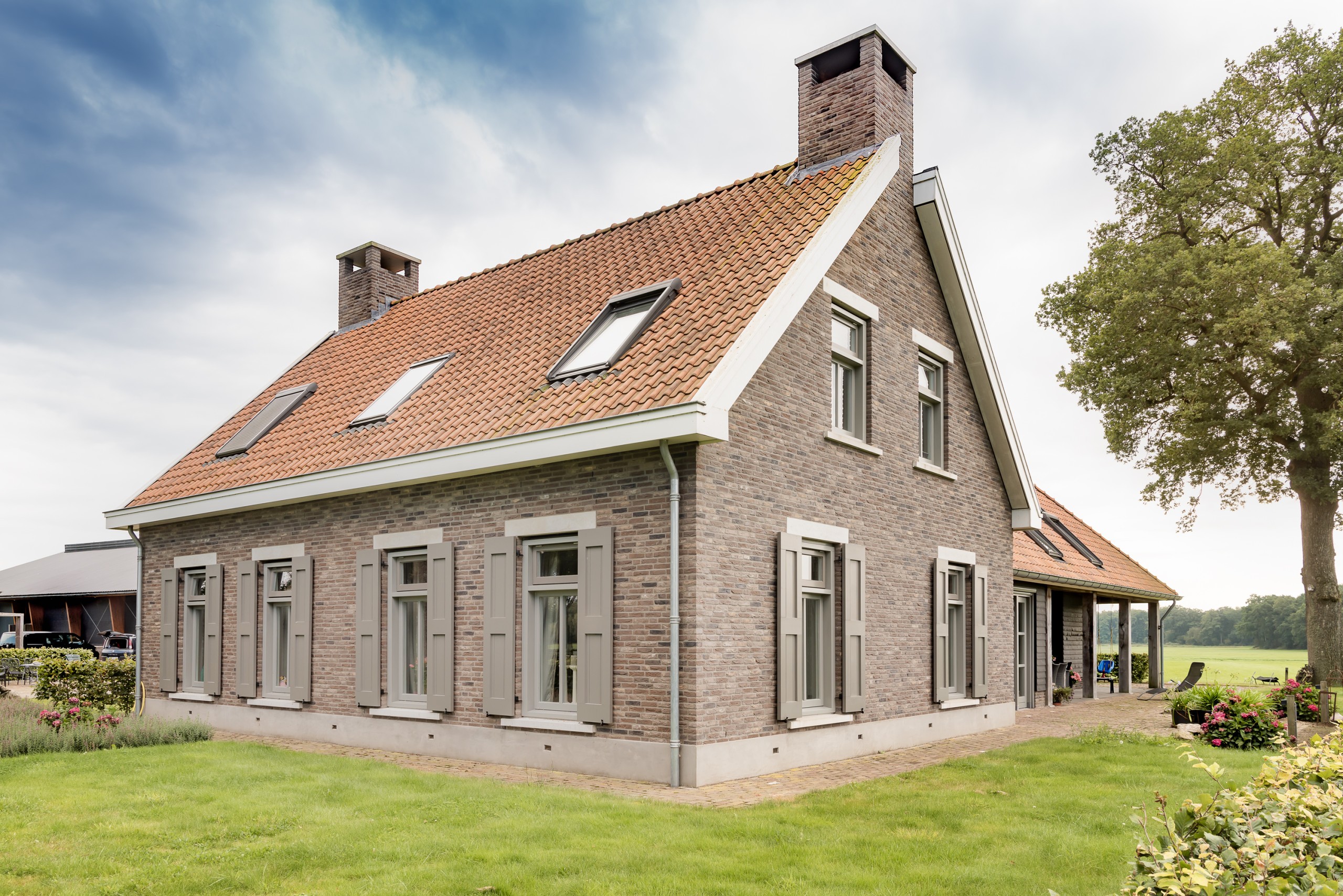
This highly regarded style is all about symmetry, proportion, and refinement. Think of formal elevations, sash windows, and an imposing central front door (often with a stone surround). Here, it is best to choose a softly nuanced facing brick with an authentic look, such as a traditional red or warm grey from our Classico series. To truly capture the Georgian spirit, the brickwork is paramount: a traditional Flemish bond paired with a light lime-look mortar joint guarantees the formal, stately appearance expected of this architecture.
Arts & Crafts
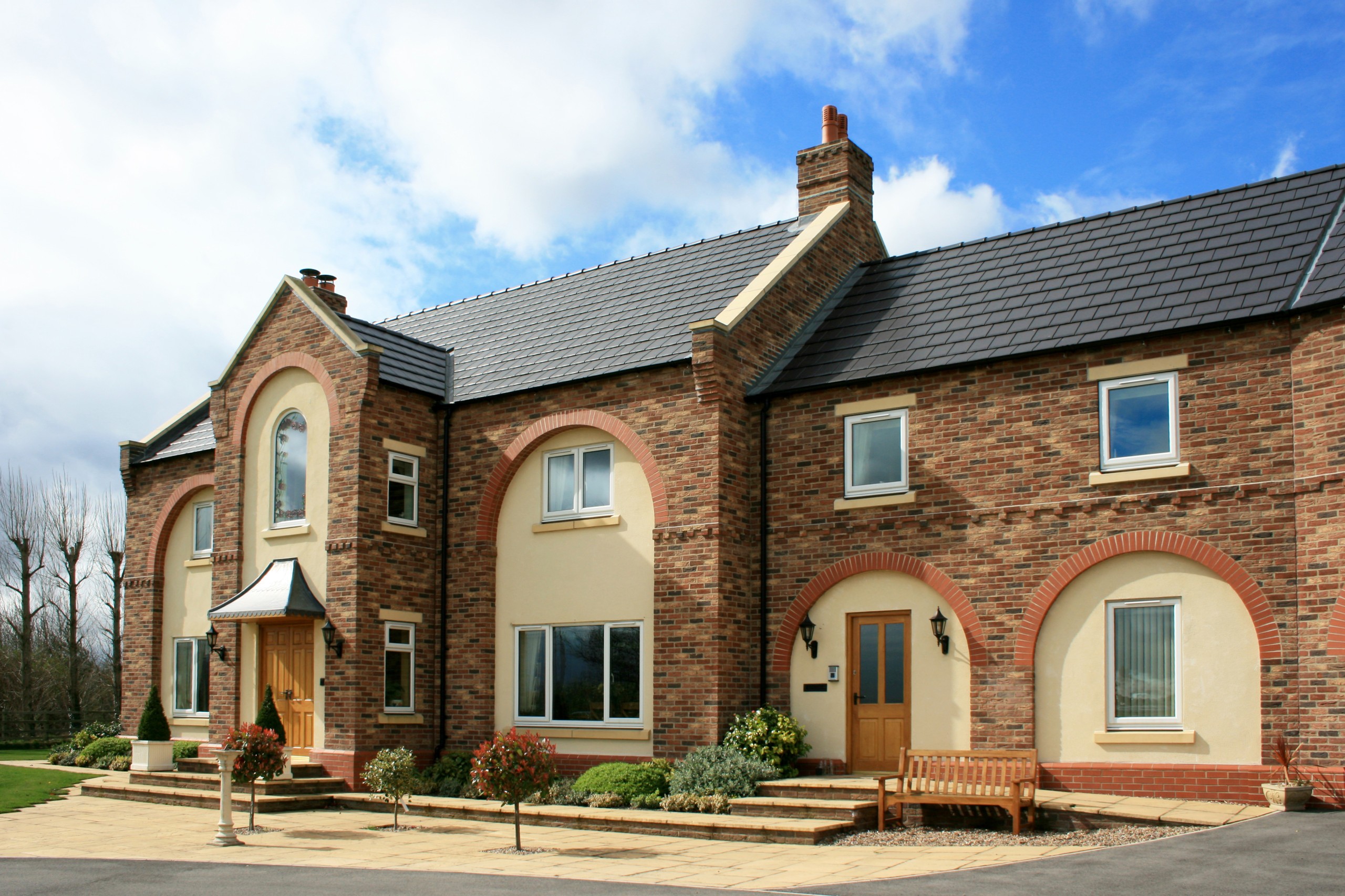
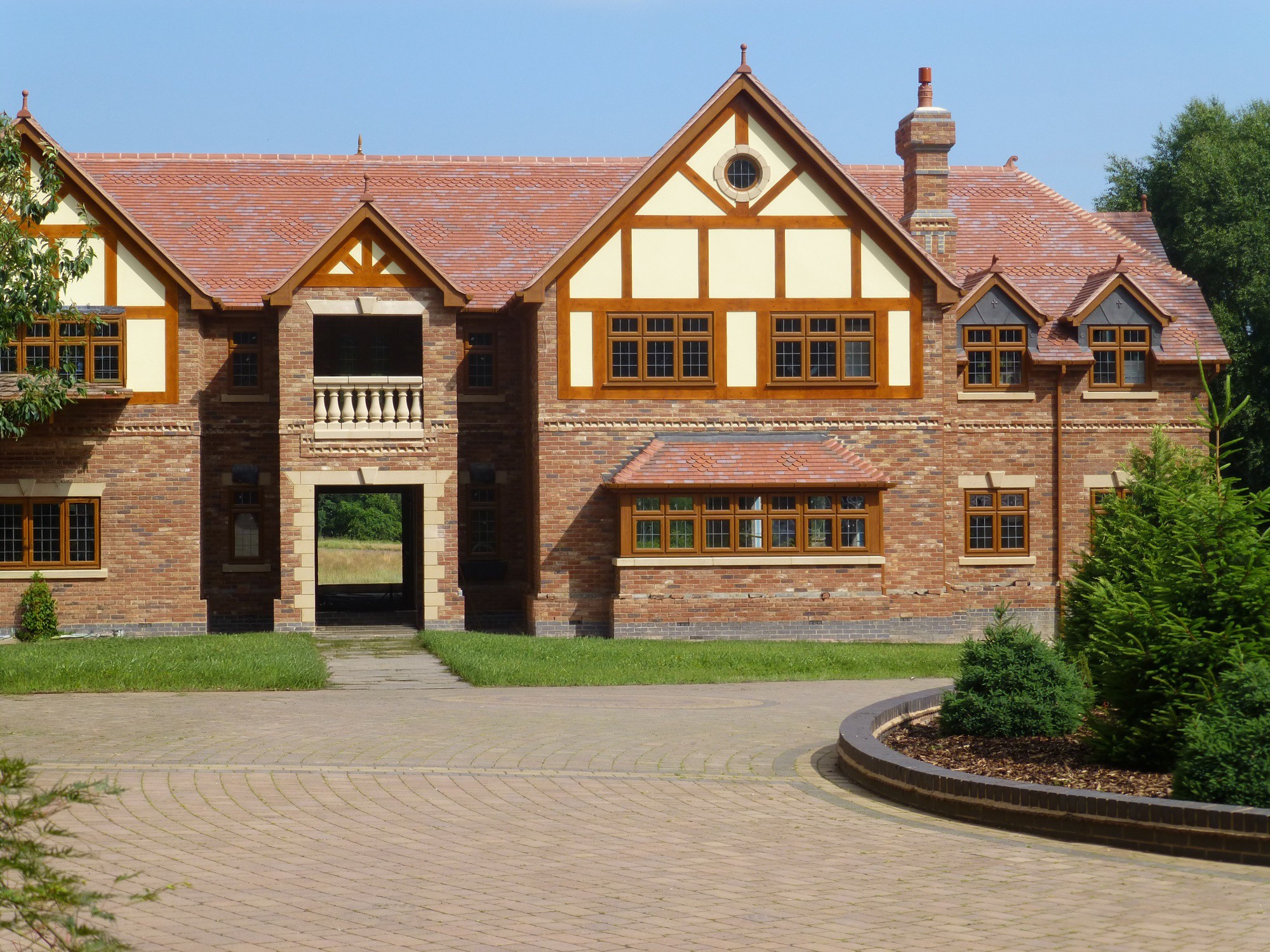
This style covers the more complex, romantic heritage properties inspired by the Edwardian era and the Arts & Crafts movement. It distinguishes itself through prominent gables, large sweeping roofs, and a mix of materials (such as brick combined with render or timber cladding). A nuanced, highly textured hand-moulded brick perfectly enhances the craftsmanship and character that define this architectural style. The brickwork can be slightly more playful, often featuring darker accent bands or intricate detailing around the porches and chimneys.


The Country Farmhouse
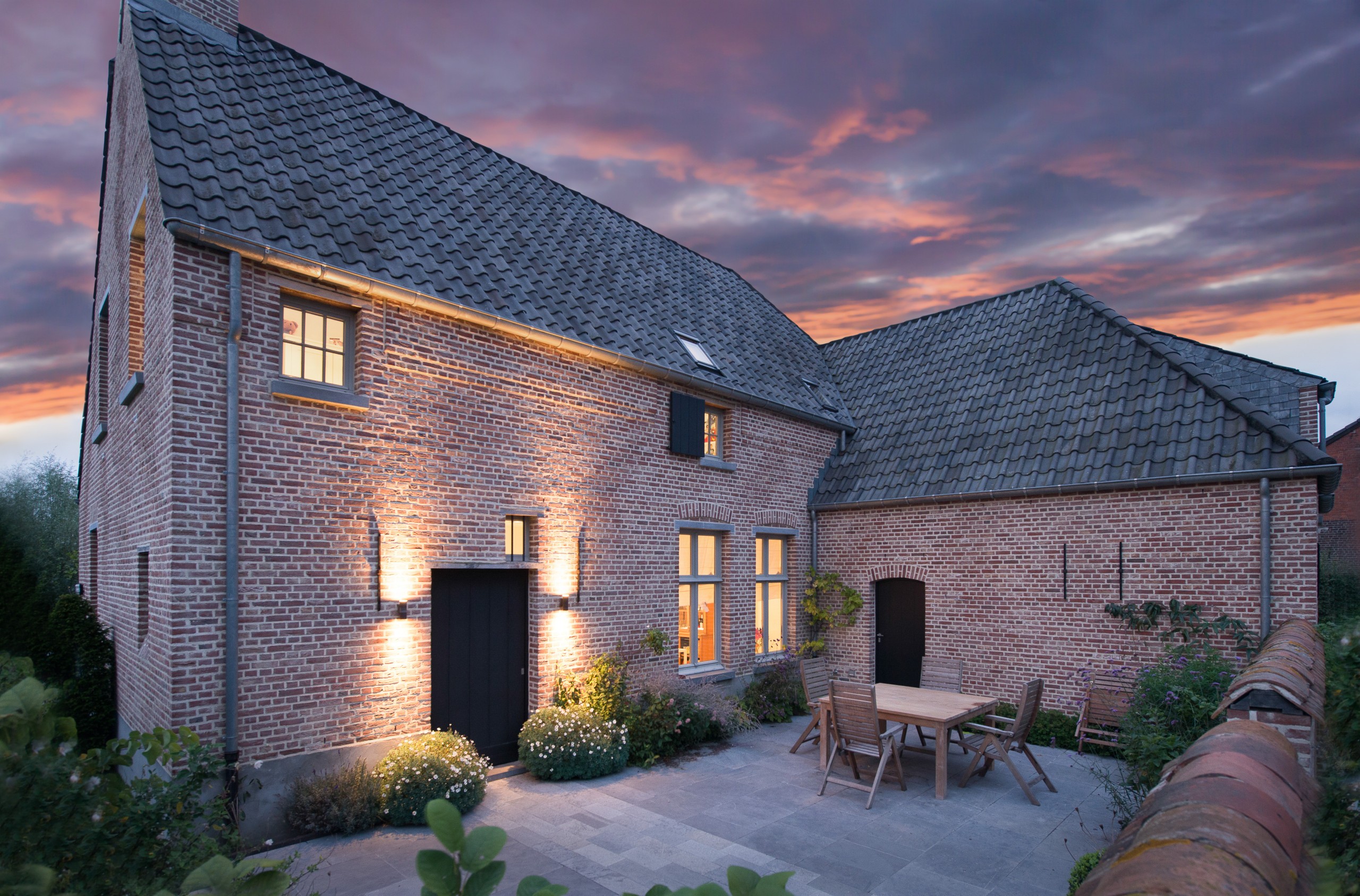
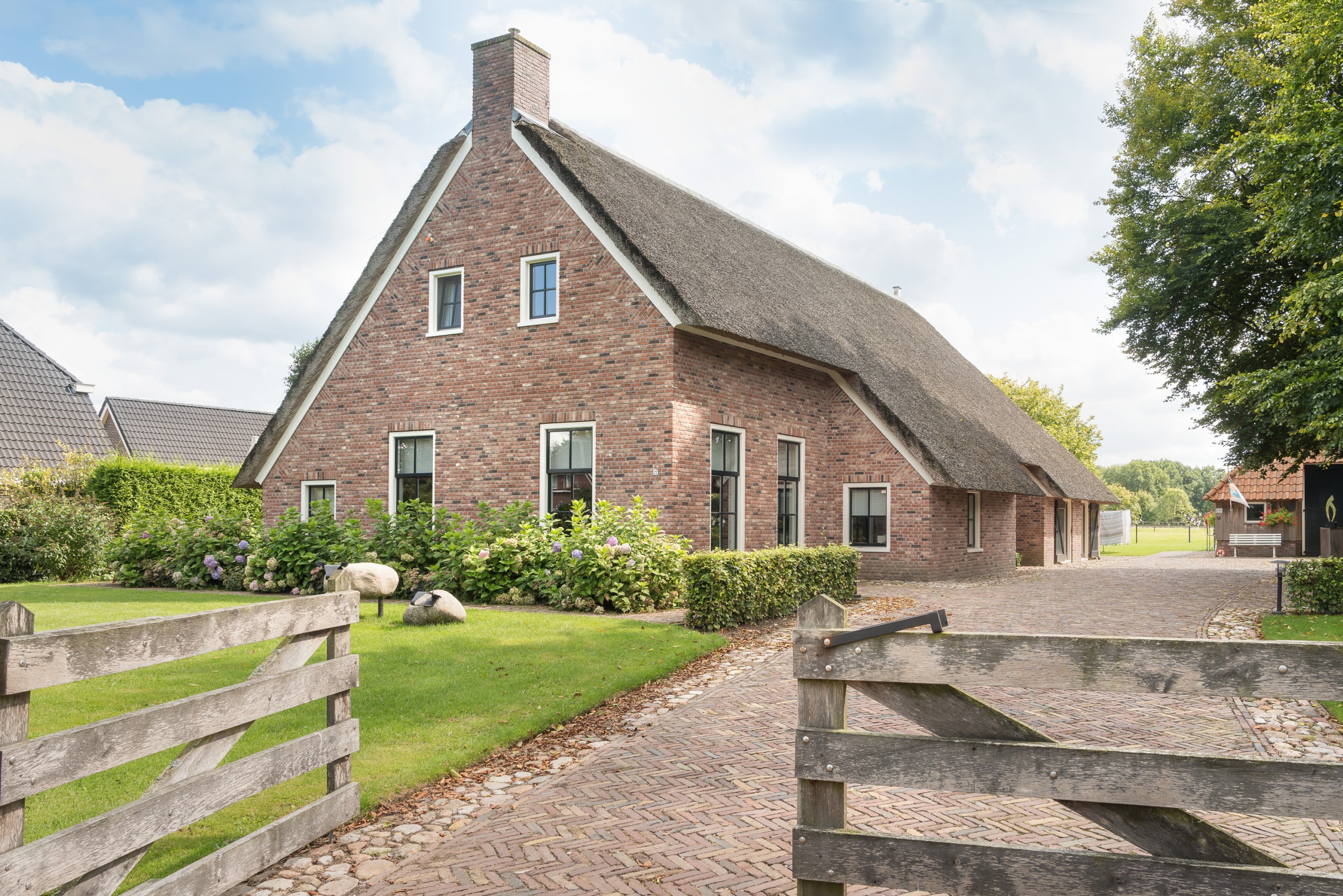
Are you looking for a style that feels organic, robust, and deeply connected to its rural surroundings? The traditional farmhouse style demands brickwork with exceptional character. Thanks to a specific tumbling process, our Hammered facing bricks feature rounded corners and distressed edges that perfectly match this rustic look. By opting for a pronounced colour nuance, a coarse texture, and perhaps an irregular mortar joint, you give the property the nostalgic appearance of a historical countryside dwelling that has evolved over centuries.
Finishing touches: complete the traditional picture
The facing brick forms the heart of your elevation, but the right combination with matching details is what truly elevates the architecture:
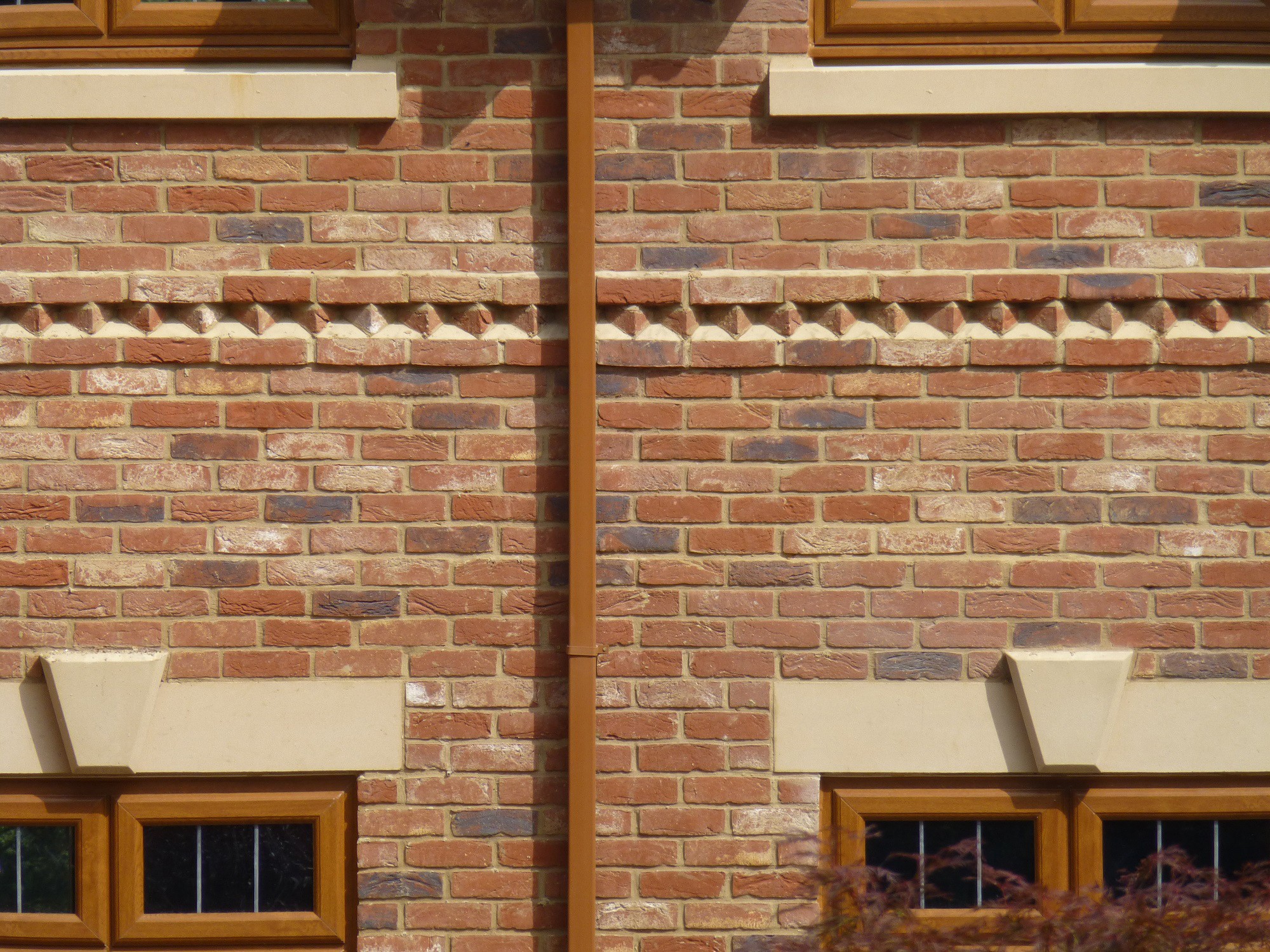
- Architectural detailing and stone accents: A classic elevation is defined by its details. Intricate brickwork – such as dentil courses, string courses, or corbelling – adds depth, shadow, and a bespoke character to the facade. Furthermore, framing your windows and doors with natural or cast stone (often in warm beige tones like Bath or Portland stone) creates a stunning, traditional contrast with the textured brickwork, a true hallmark of premium British architecture.
- Brickwork bonds: The way bricks are laid dictates the character of the property. While a modern stretcher bond is efficient, a traditional build thrives on a Flemish bond or an English cross bond. To achieve the aesthetic of a historical cross bond efficiently and without complex cutting work on site, we developed the innovative Baekelsystem.
- Mortar and pointing: A traditional, light lime-mortar joint emphasises each individual brick and heavily reinforces the classic character of the facade. Recessed pointing can cast subtle shadows, highlighting the texture of a tumbled brick.
- The true lime wash effect: Do you dream of a facade that replicates the artisanal effect of a traditional lime wash? Our Koloro series features a durable coating that creates this highly sought-after whitewashed look perfectly.
Experience our facing bricks in person
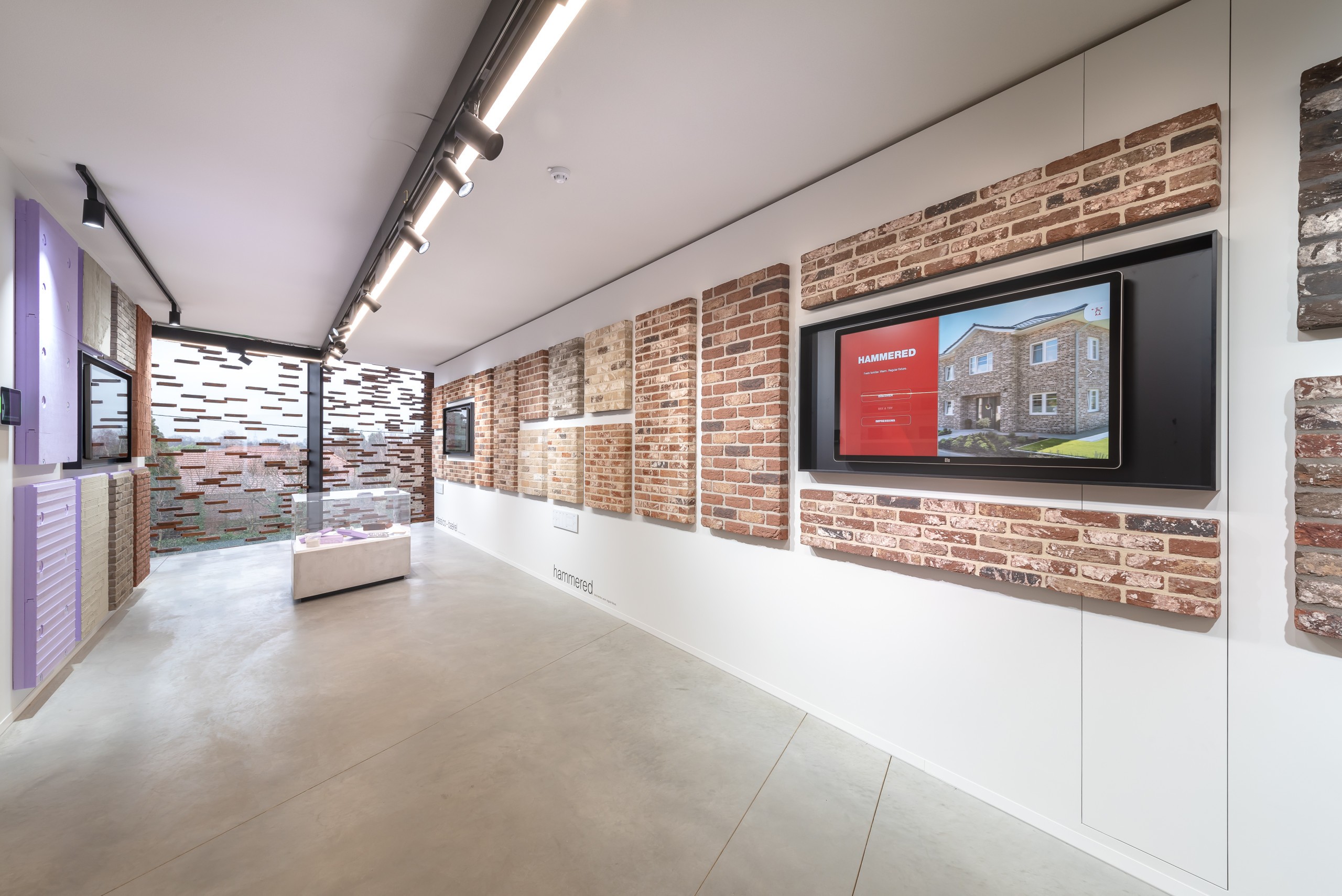
You do not choose a facing brick solely from a screen. To get the most complete and realistic impression, you need to see the bricks in natural daylight and experience their texture firsthand.
- Discover our reference projects: Use our Reference Finder to browse a wide range of completed properties. It is the perfect tool to see how different facing bricks, mortar colours, and brickwork bonds look in practice on a finished elevation.
- Find a local UK dealer: We work closely with a strong network of trusted partners across the UK. Use our Dealer Locator to find a brick merchant or specialist near you. At these local partners, you can view our facing bricks on display get expert advice, and request physical samples to review on your building plot or to discuss with your architect.


