The choice of facing brick determines the colour and texture of your project, but the brickwork bond determines the final character of the facade. The way the bricks are stacked influences the lines and shadow effects. What is often forgotten: the chosen bond nowadays also has a massive impact on the construction speed and material waste on site.
From load-bearing wall to decorative shell
To understand why some bonds are more expensive than others, we need to go back in time. In the past, brickwork had a purely structural function: solid walls of two or more bricks thick carried the entire weight of the building. Brickwork bonds such as the English cross bond or Flemish bond were simply necessary for stability then. The 'headers' (the short sides) that you saw in the facade were whole bricks laid transversely in the wall to firmly anchor the outer and inner brick courses together. No angle grinder was involved; the bricklayer simply processed whole bricks.
Today, we build fundamentally differently. We use cavity walls where the inner wall (breeze blocks or concrete) carries the weight. The cavity provides the insulation, and the outer layer of facing bricks forms a non-load-bearing, decorative, and weather-resistant shell that is only one brick wide.
The consequence on site: Do you want a historical bond with 'headers' in your modern facade today? Then you can no longer lay that brick transversely, because then you pierce the insulation and create a cold bridge. The bricklayer must therefore constantly saw whole bricks in half to create those 'headers'. That costs a massive amount of time and creates a lot of cutting waste.
Therefore, the choice of your brickwork bond today is not just a matter of taste, but also a technical and financial consideration. We have listed the 8 most important bonds for you.
Are you building with the slender N70 facing brick?
Pay close attention. Because the N70 has a specific long and slender format, a few important notes apply to its processing. Not every classic bond is equally efficient or logical.
Read here in our FAQ whether you can apply any brickwork bond with the N70
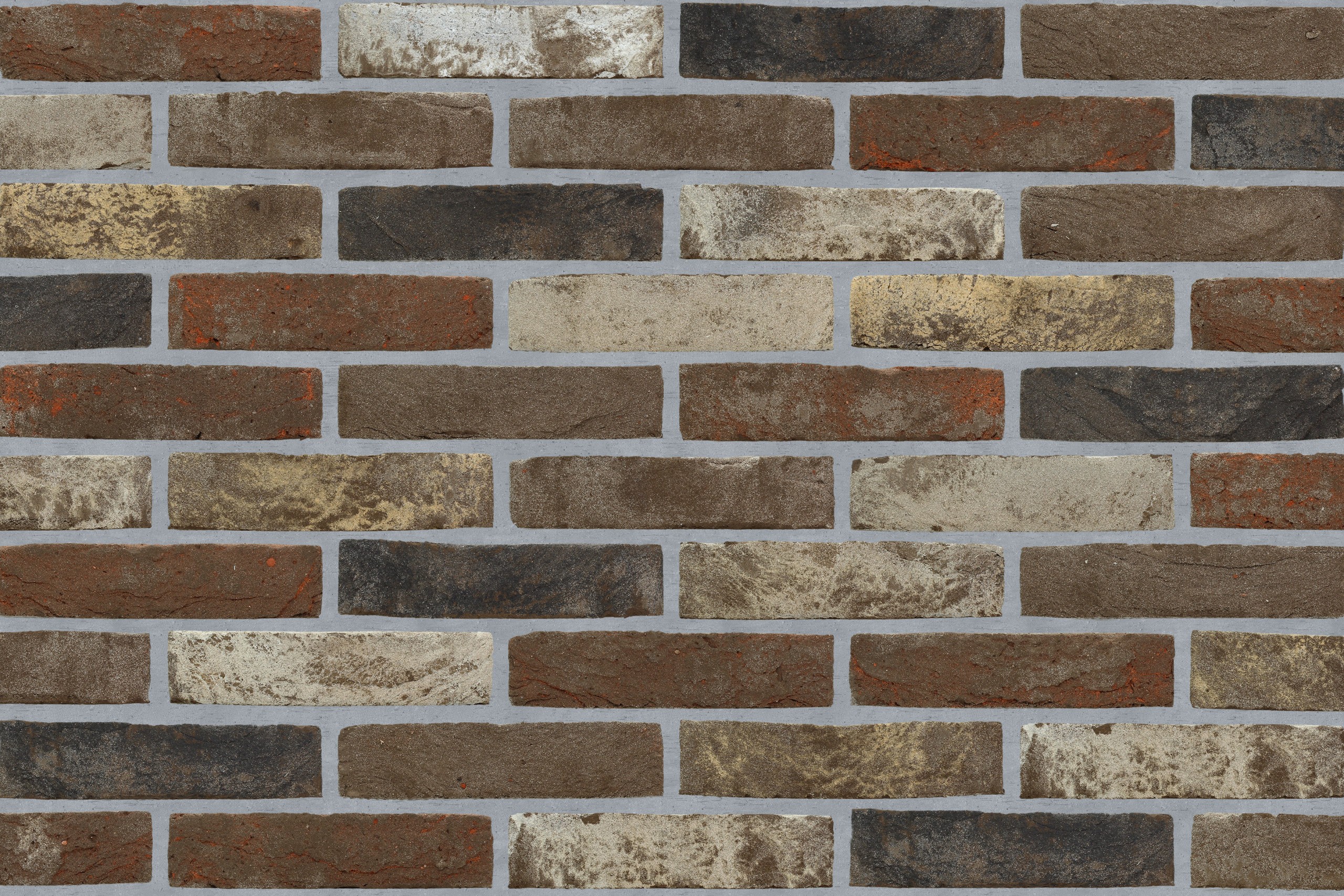
Stretcher bond (half-brick bond): the timeless standard
This is the most well-known and widely used bond in the streetscape. The vertical joints (perpend joints) are staggered by exactly half a brick every course, ensuring a sleek, calm, and balanced pattern.
- The technique on site: With a standard facing brick (such as the WV 50 format), this bond is extremely efficient. The maths here is perfect: the length of the brick is exactly twice the width plus one vertical joint.
- The efficiency: When the bricklayer reaches an external corner, they simply turn the brick 90 degrees. The header side that is then visible takes up exactly the space of half a brick. The pattern continues seamlessly, you have virtually zero cutting waste, and the brickwork progresses incredibly fast.
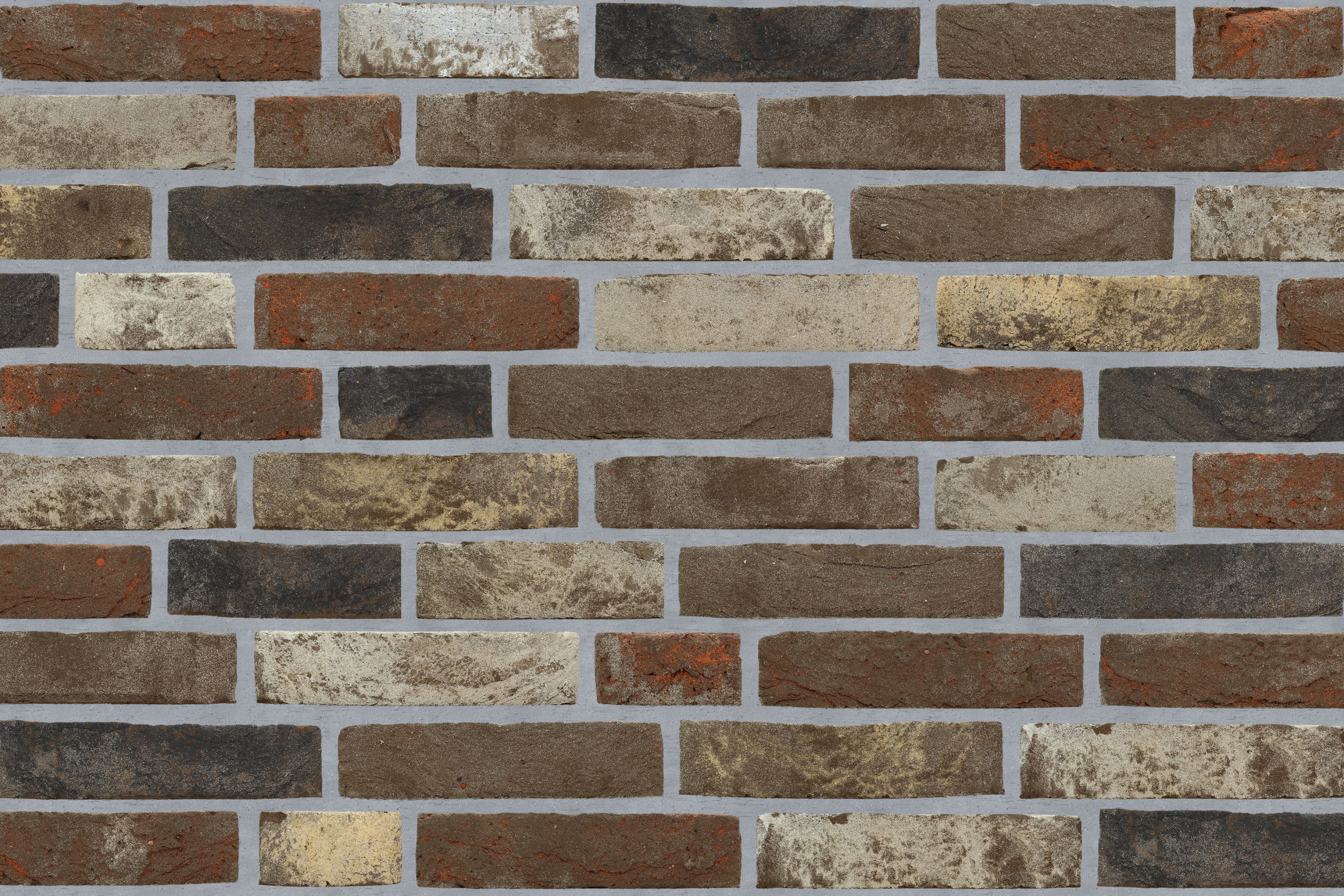
Random bond: dynamic, but strictly directed
As the name suggests, this bond appears to be laid randomly. Yet 'random' is a misleading term. To prevent unintended patterns, disruptive lines, or weak spots in the facade, the bricklayer must adhere to a few golden rules:
- Max. 4 stretchers: Never place more than four stretchers (long sides) directly next to each other.
- Max. 2 headers: Never place more than two headers (short sides) directly next to each other.
- No 'raking perps': Prevent vertical joints from staggering diagonally like a staircase. This may continue for a maximum of 5 to 6 courses.
- No 'straight perps': Prevent vertical joints from aligning exactly vertically above each other on alternate courses (zippering). This is also limited to a maximum of 5 to 6 courses.
- Minimum stagger: Vertical joints must stagger by at least a quarter of a brick relative to the course below for a good bond.
Within this bond, there is an important distinction that directly impacts the contractor's efficiency:
- Strict random bond: The bricklayer strictly follows the rules and continuously alternates stretchers, headers, and quarter bricks. Because headers have to be sawn nowadays, this is time-consuming and produces more cutting waste.
- Soft random bond: This is the absolute recommendation for long, slender formats like the N70. In a soft random bond, mostly full lengths are laid in the main facade area. Only when the bricklayer reaches a corner or window opening and needs to cut a brick do they use the offcut directly as the starting brick for the next course. The result? Virtually zero cutting waste, a steady working pace, and a facade that maximally emphasises the horizontal length of the brick.
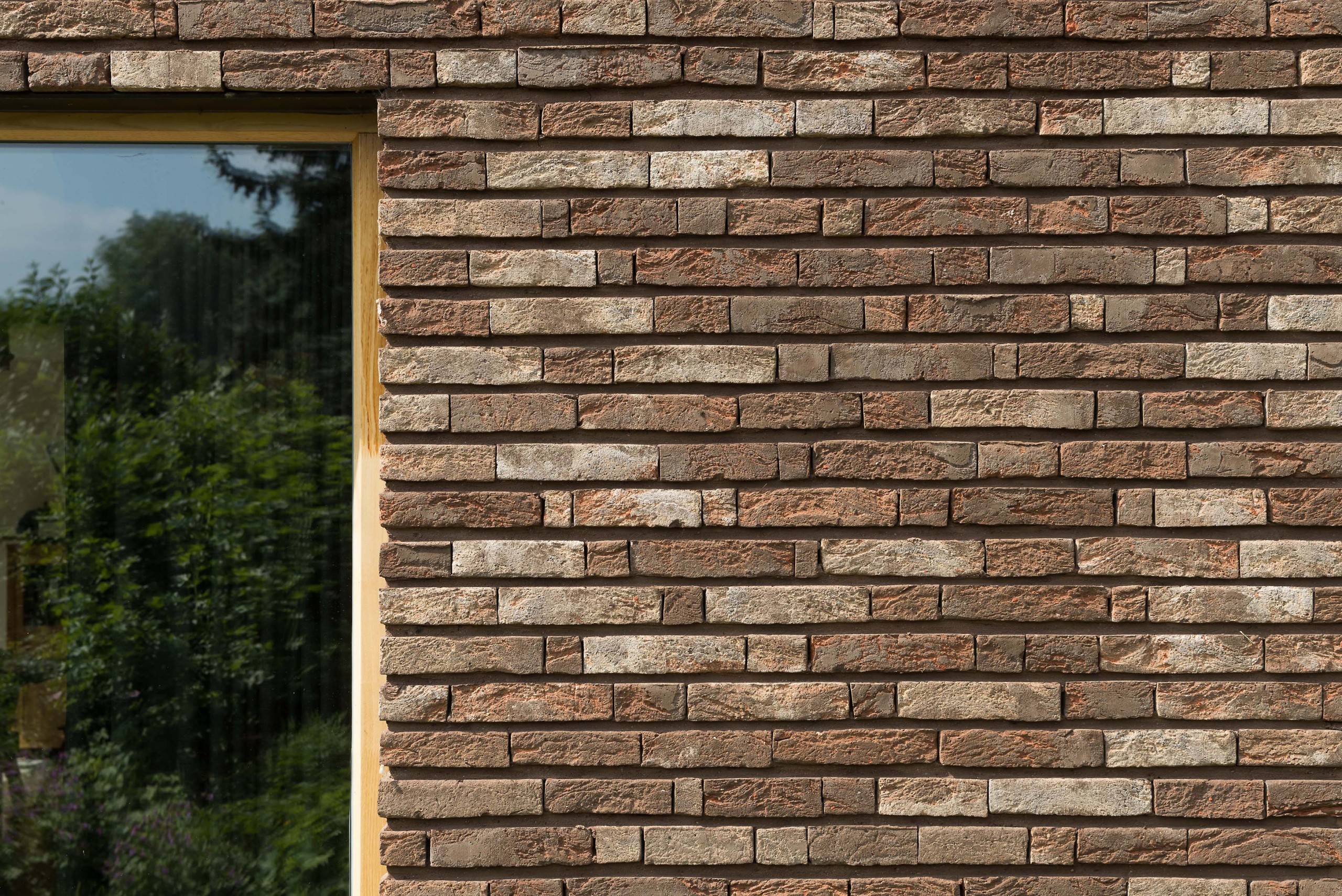
Did you know? The pitfall of the 'queen closer'
A queen closer is a brick that has been cut in half longitudinally. As a result, the header is only half as wide as normal. Sometimes bricklayers try to use such a narrow offcut as 'filler' in a random bond if their measurements don't quite work out. This should strictly be avoided: it locally weakens the wall and disrupts the rhythm of the brickwork.
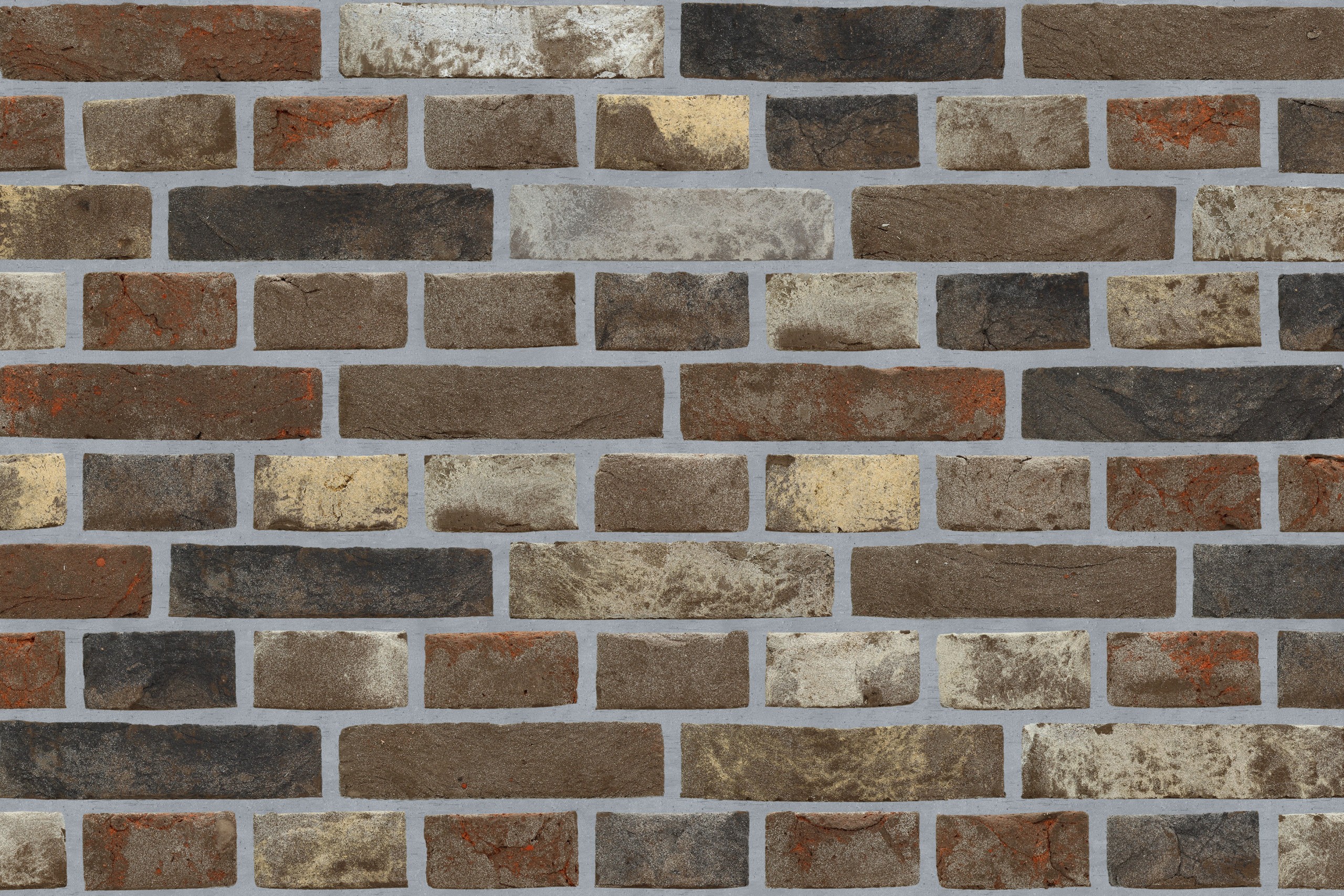
English cross bond: stately and artisanal (with a smart solution)
The English cross bond exudes tradition and is often used in rural architectural styles, such as presbyteries. The pattern is created by alternating a course of 'stretchers' and a course of 'headers'. The stretcher courses stagger by half a brick each time, resulting in repeating cross shapes.
- The traditional technique: Normally, this bond requires an enormous amount of cutting and measuring to create all those 'headers' and keep the pattern consistent around windows and doors. This drastically lowers efficiency.
- The smart solution (the Baekelsteen): To keep this stately bond affordable and fast, we developed the Baekelsteen. This is a standard facing brick with a vertical false joint exactly in the middle. The contractor lays the brick whole, but after pointing, it looks as if two separate headers have been laid. This way, you combine the authentic look of an English cross bond with the processing speed of a stretcher bond. Zero cutting waste, maximum effect.
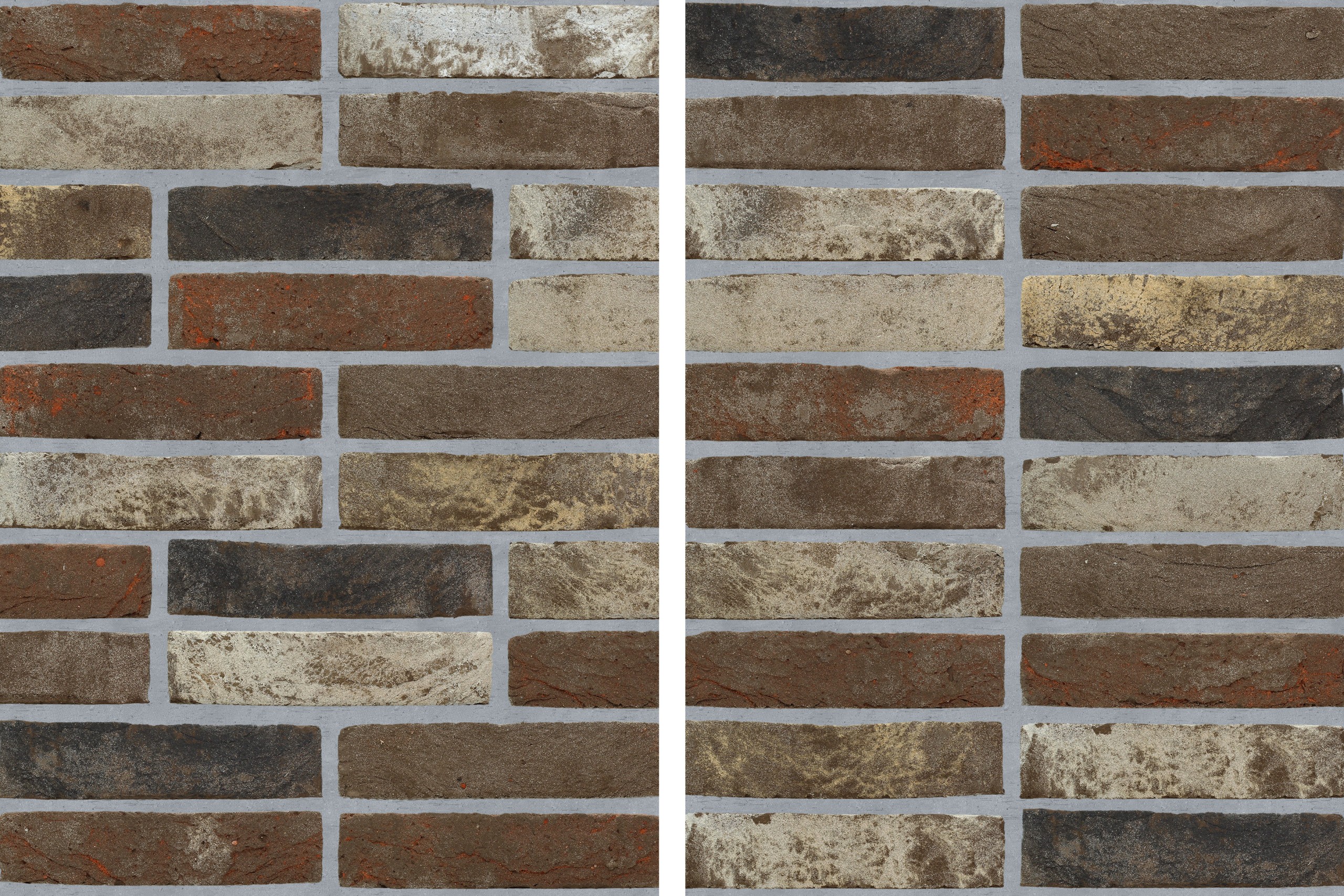
Stack bond: graphic and sleek (Block bond)
In a stack or block bond, the bricks are stacked directly on top of each other, without staggering the vertical joints. You can group the bricks in twos or threes to form square 'blocks', or have the vertical joints run in a single straight line from top to bottom.
- The technique on site: Because the bricks do not overlap, the wall lacks its natural "weaving". To guarantee stability, bed joint reinforcement must be used consistently. This bond is visually unforgiving: every joint that deviates by a millimetre stands out immediately in the rigid grid. This demands extreme precision and slows down the construction speed.
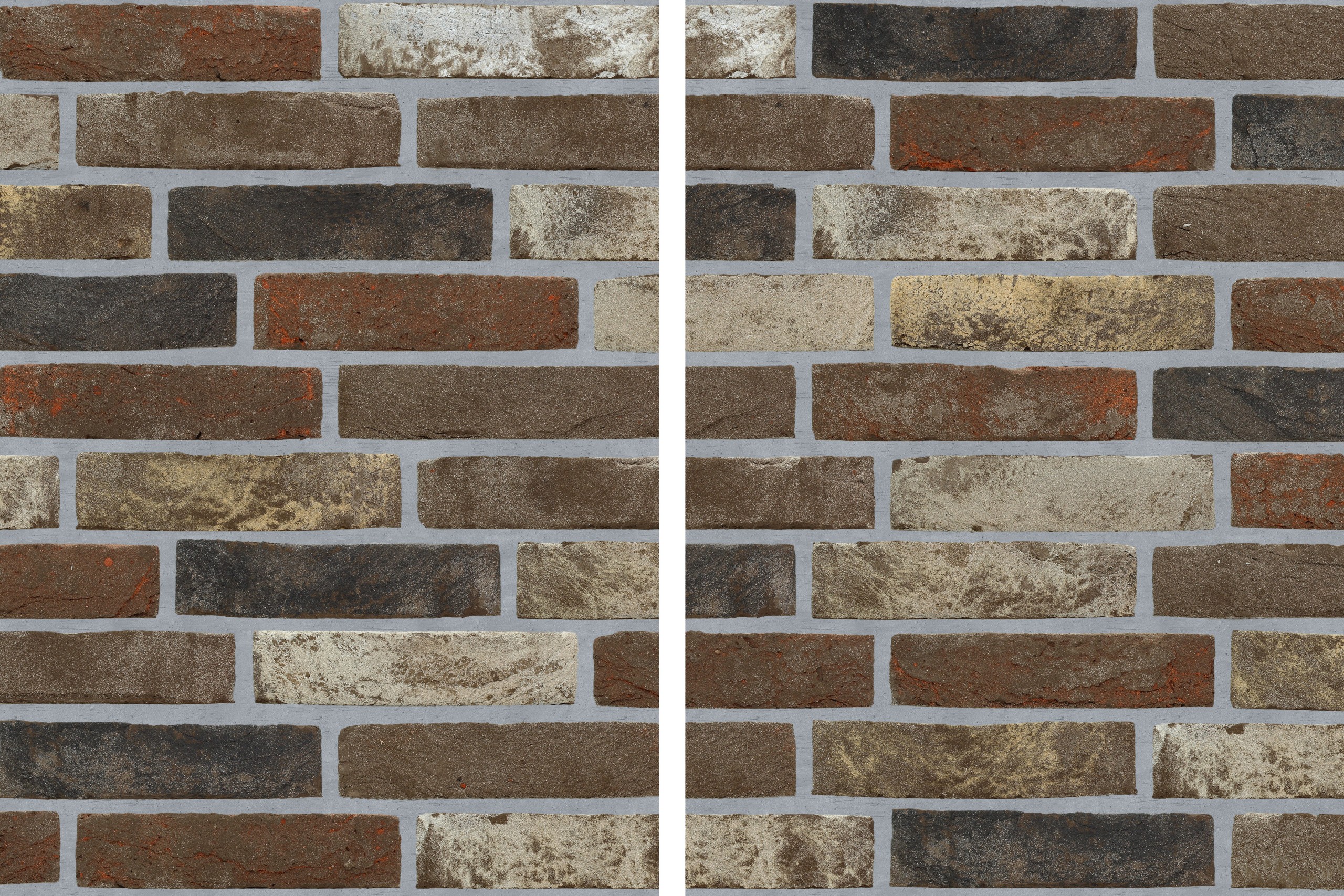
Quarter-brick bond: diagonal or zigzag dynamics
In this bond, every course staggers by a quarter of a brick. Within this bond, there are two distinct variations:
- Descending quarter-brick bond (Raking bond): Each course staggers in the same direction. This creates a striking, stepped diagonal line across the facade.
- Ascending quarter-brick bond (Zigzag bond): The courses stagger alternately a quarter to the left and then a quarter to the right. This results in a lively, vertical zigzag pattern in the pointing.
- The technique on site: Whichever variant you choose, this bond requires continuous measuring and cutting during construction to make the corners and frames match up, which has a significant impact on the cost price.
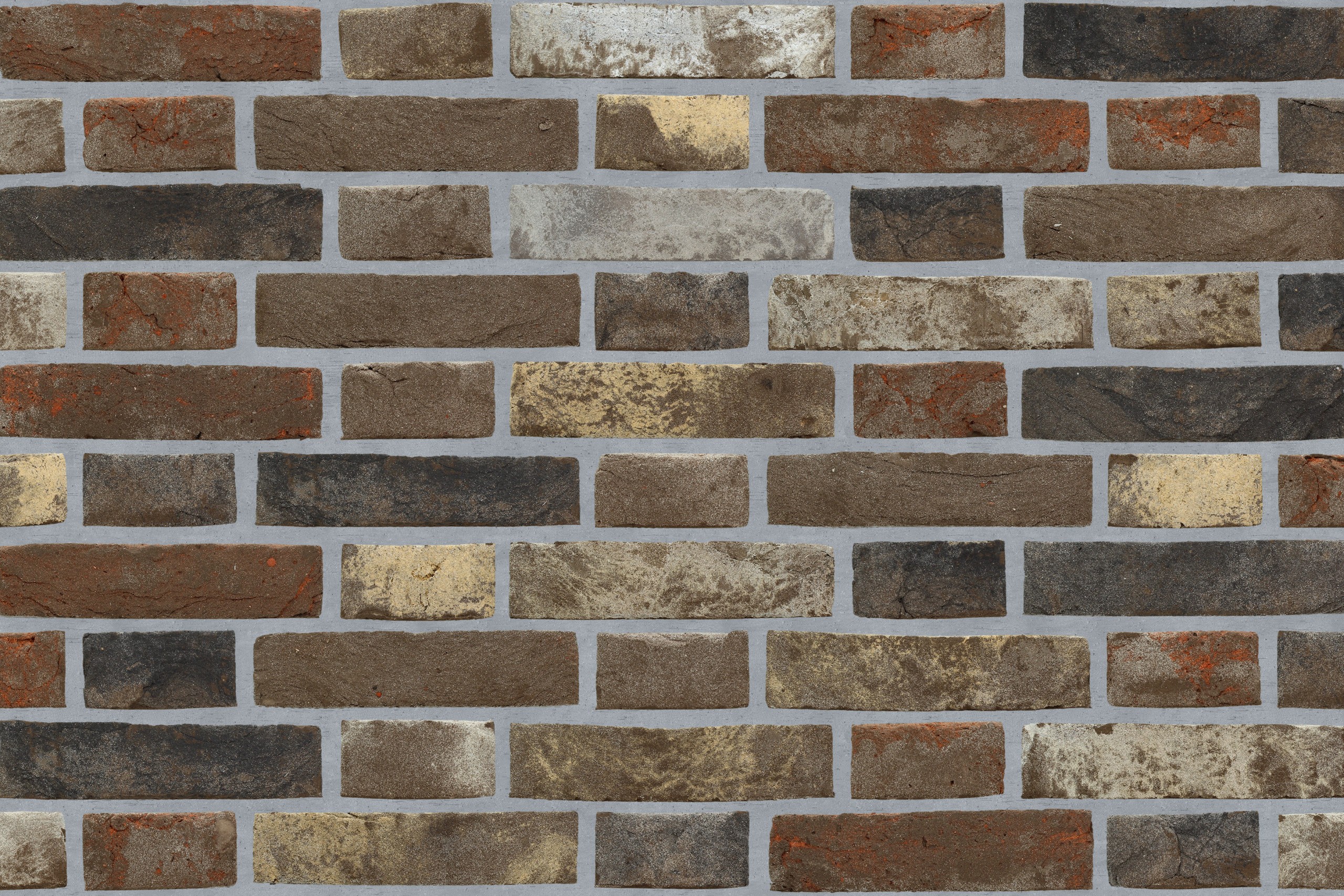
Flemish bond: the historical eye-catcher
This bond is often confused with the English cross bond. Instead of separate courses of headers and stretchers, a header and a stretcher alternate within the same course. The headers are always neatly centred above the stretcher of the underlying course.
- The technique on site: It gives a very rustic, authentic appearance, but is highly labour-intensive. Because each course consists of half as many headers as stretchers, the bricklayer must constantly halve bricks to create those headers. This means a lot of cutting waste and a lower output.
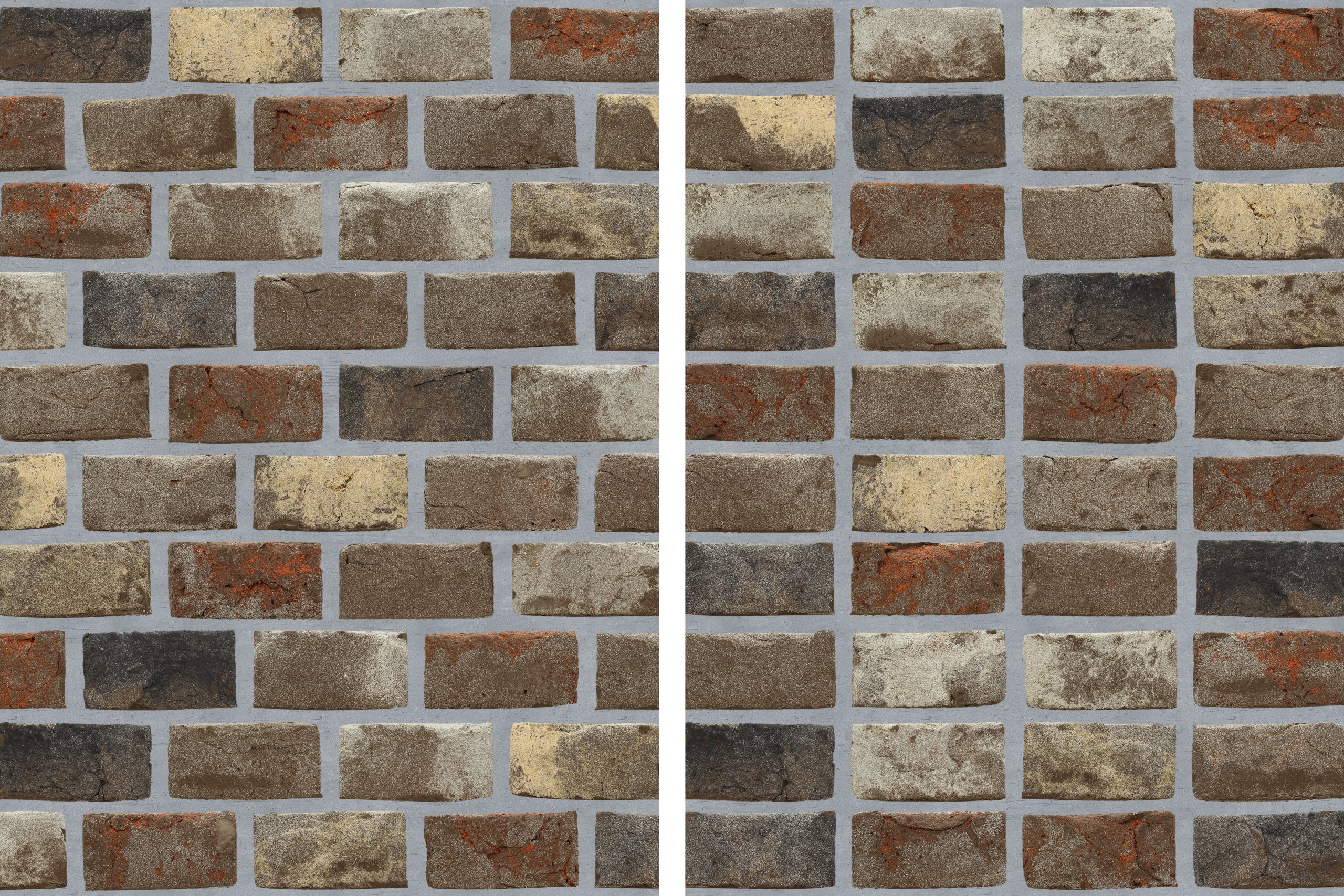
Header bond: compact and flexible
In a header bond, you only see the header sides (the short sides) of the brick. This can be laid in two ways: traditionally staggered (where the vertical joints shift by half a header every course) or stacked directly on top of each other, similar to a stack bond.
- The technique on site: This is rarely used for complete, straight facades because it looks very busy (or, in the case of the stacked variant, extremely graphic) and is slower to lay (after all, you need twice as many bricks per m²). However, it is the absolute favourite for curved brickwork (such as convex facade sections or round pillars). The small headers can follow the curve much more smoothly than long stretchers. Want to know more? Read our 4 techniques and tips for building a curved brick facade here. If the stacked variant is chosen, bed joint reinforcement is crucial for stability, just as with a standard stack bond.
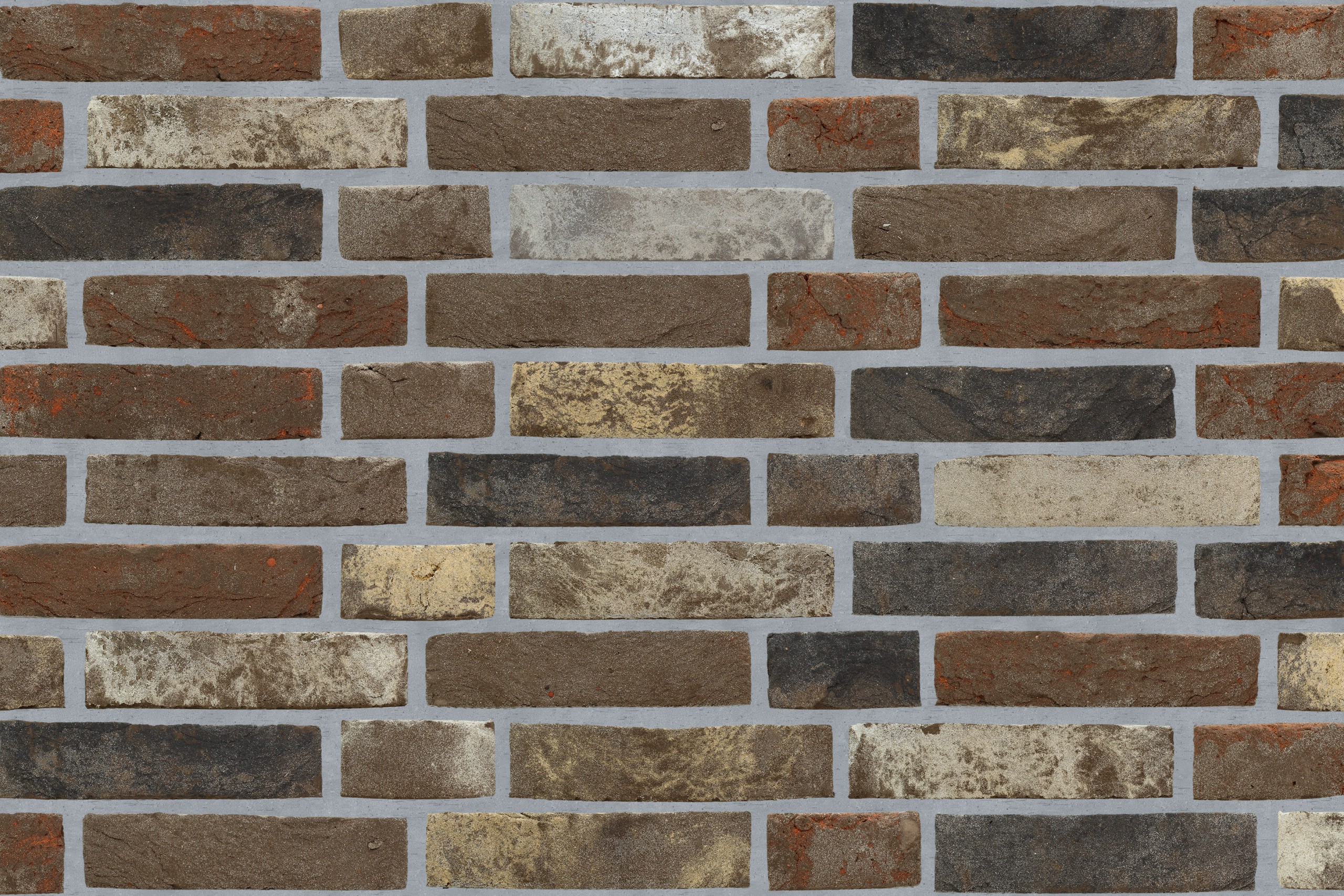
Monk bond: the playful variant
The Monk bond is the more playful sibling of the Flemish bond. Here, two stretchers and one header are alternately laid in each course. The header is always centred above the vertical joint between the two stretchers of the course below.
- The technique on site: This pattern looks slightly calmer and more modern than the Flemish bond due to the extra horizontal lines. Efficiency is slightly higher because the bricklayer has to cut fewer headers, but it still requires a fair amount of measuring and fitting.
Conclusion for your project: the choice is yours
Ultimately, the appearance of your facade is entirely personal. There is a style to suit everyone, and you are completely free to choose the bond that you find most visually appealing. However, to optimally combine aesthetics and efficiency on site, we offer these specific recommendations:
- Opting for a classic Waal format (WV 50) or Waal thick format (WV 65)? Then the stretcher bond is the most logical and cost-effective choice.
- Choosing a slender, long format like the N70? Ask your contractor for a soft random bond for the sleekest result without extra cutting waste.
- Want a classic, artisanal look without the extra labour hours? Discover the benefits of our Baekelsteen.


