When designing a facade, attention naturally gravitates towards the brickwork, bond, and mortar. However, the finishing of details, such as rainwater drainage, significantly dictates the final aesthetic. Do you opt for a downpipe against the facade or prefer to integrate it into the facade? We have outlined the possibilities, advantages, and technical considerations.
Surface-mounted downpipes: classic and accessible
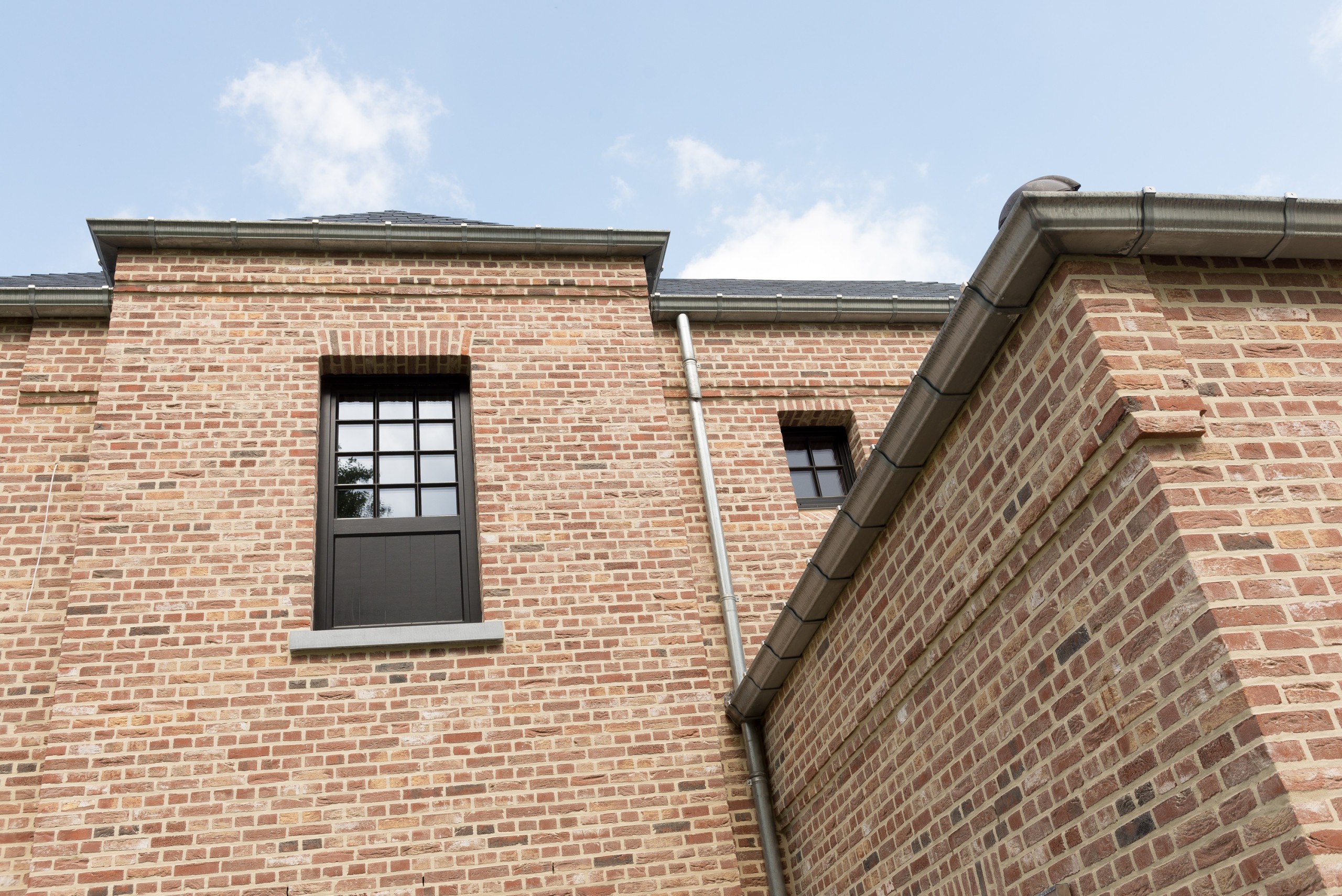
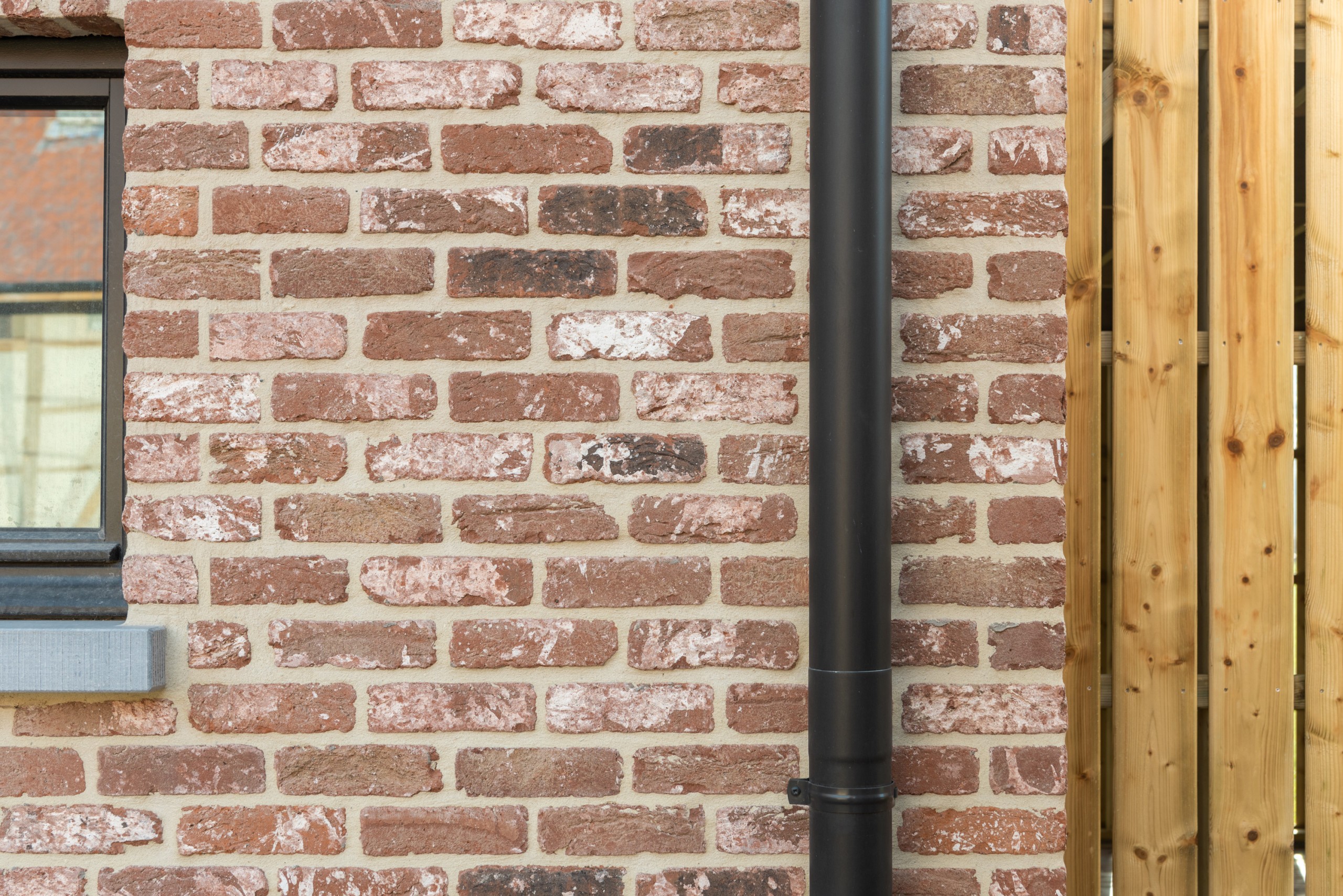
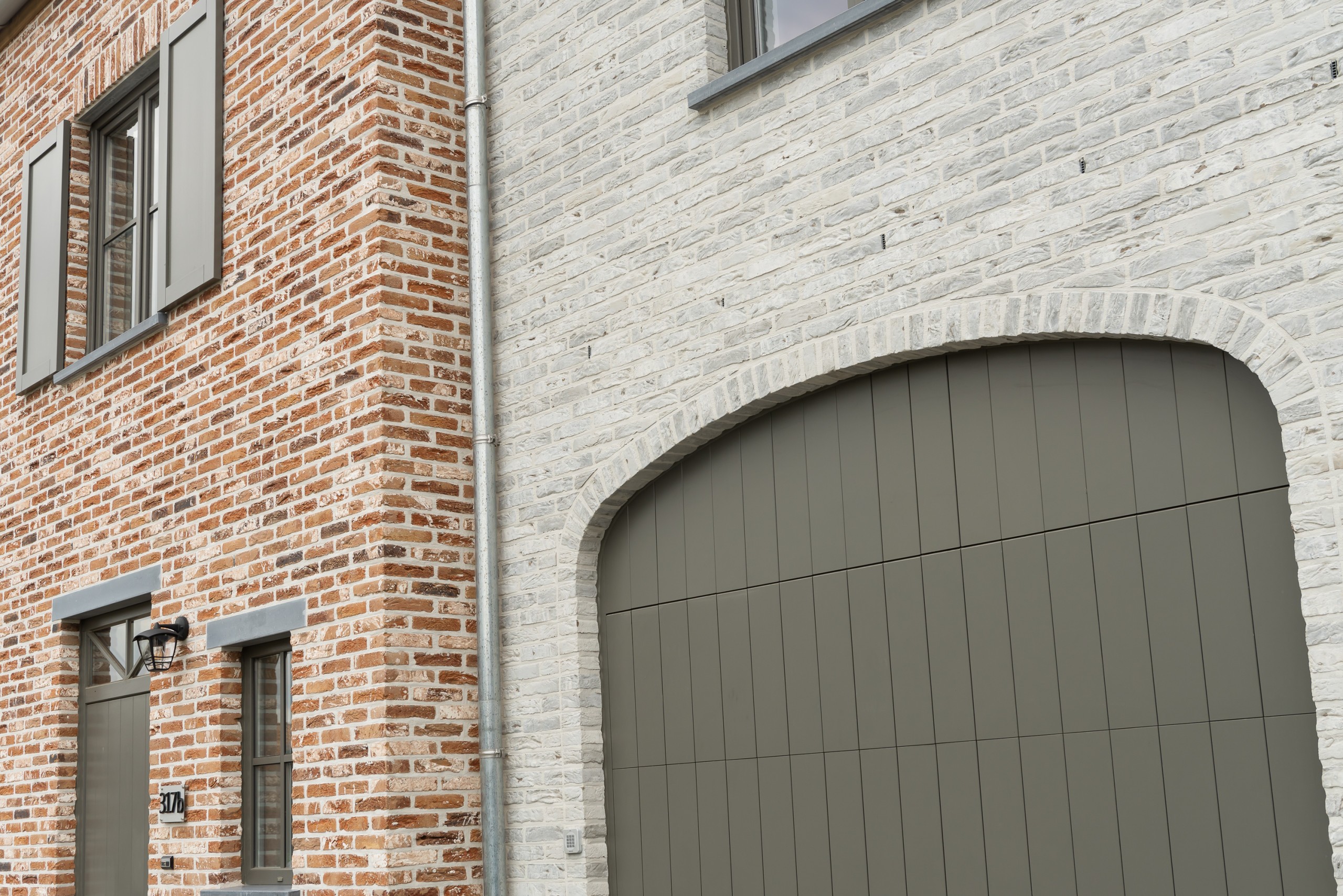
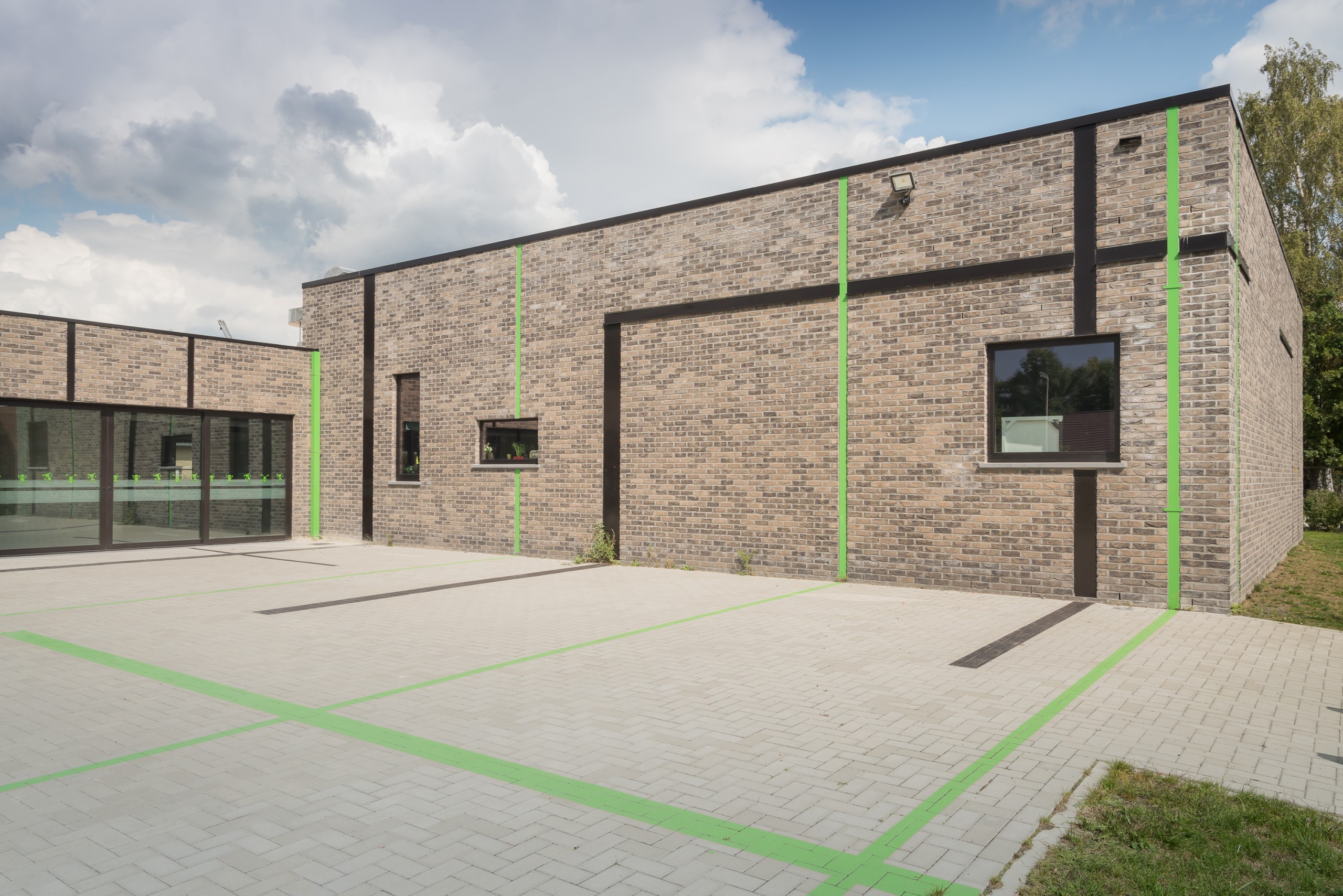
The most common method involves mounting the downpipe against the facing bricks using pipe clips.
- Aesthetics: In traditional or rural architectural styles, a downpipe does not need to be hidden. A zinc or copper finish can even enhance the character of the property.
- Maintenance: The greatest advantage is accessibility. In the event of a blockage or leak, the pipe is directly accessible without requiring any structural work to the facade.
- Cost: This is the most budget-friendly option, both in terms of materials and labour.
Recessed downpipes: the sleek alternative
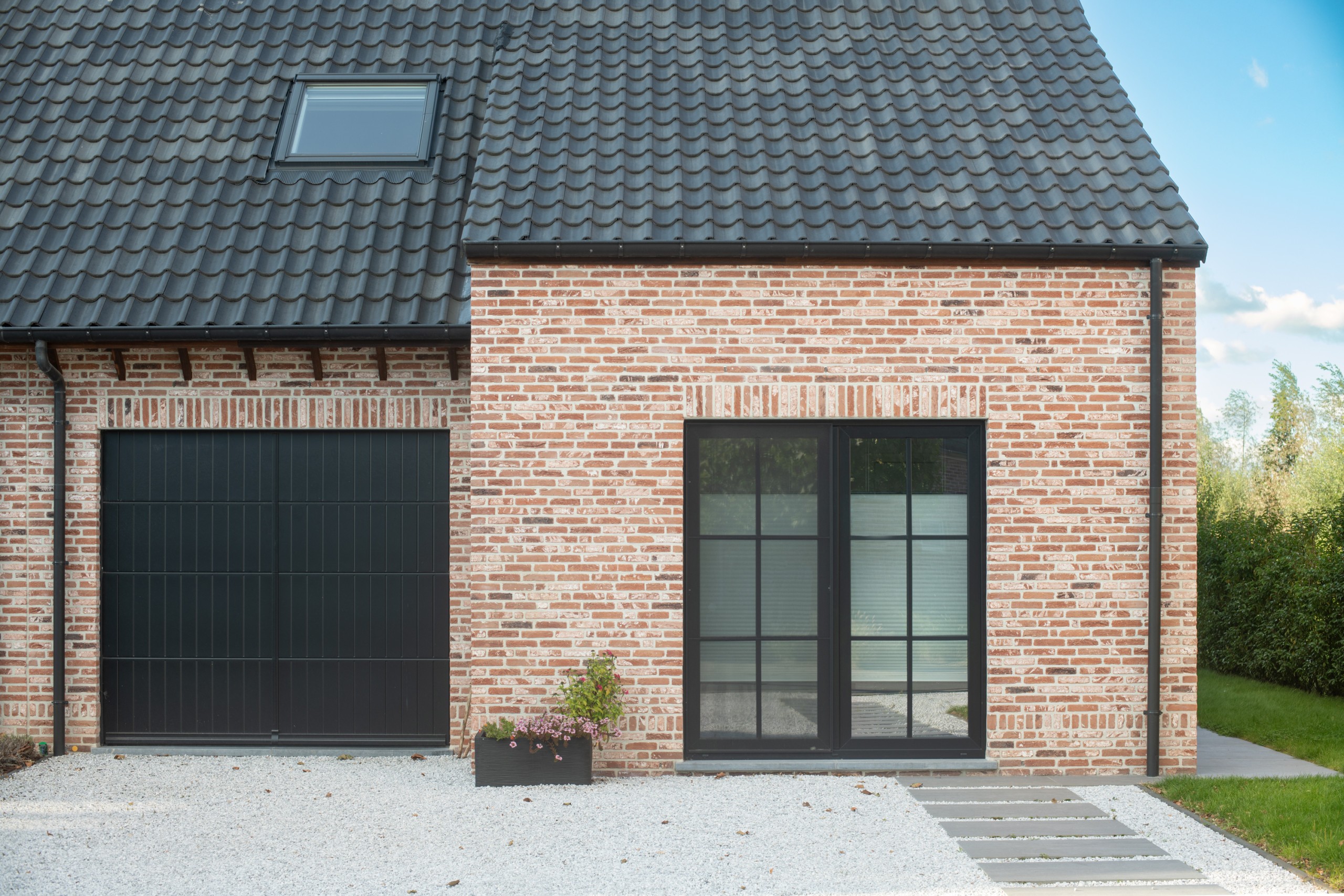
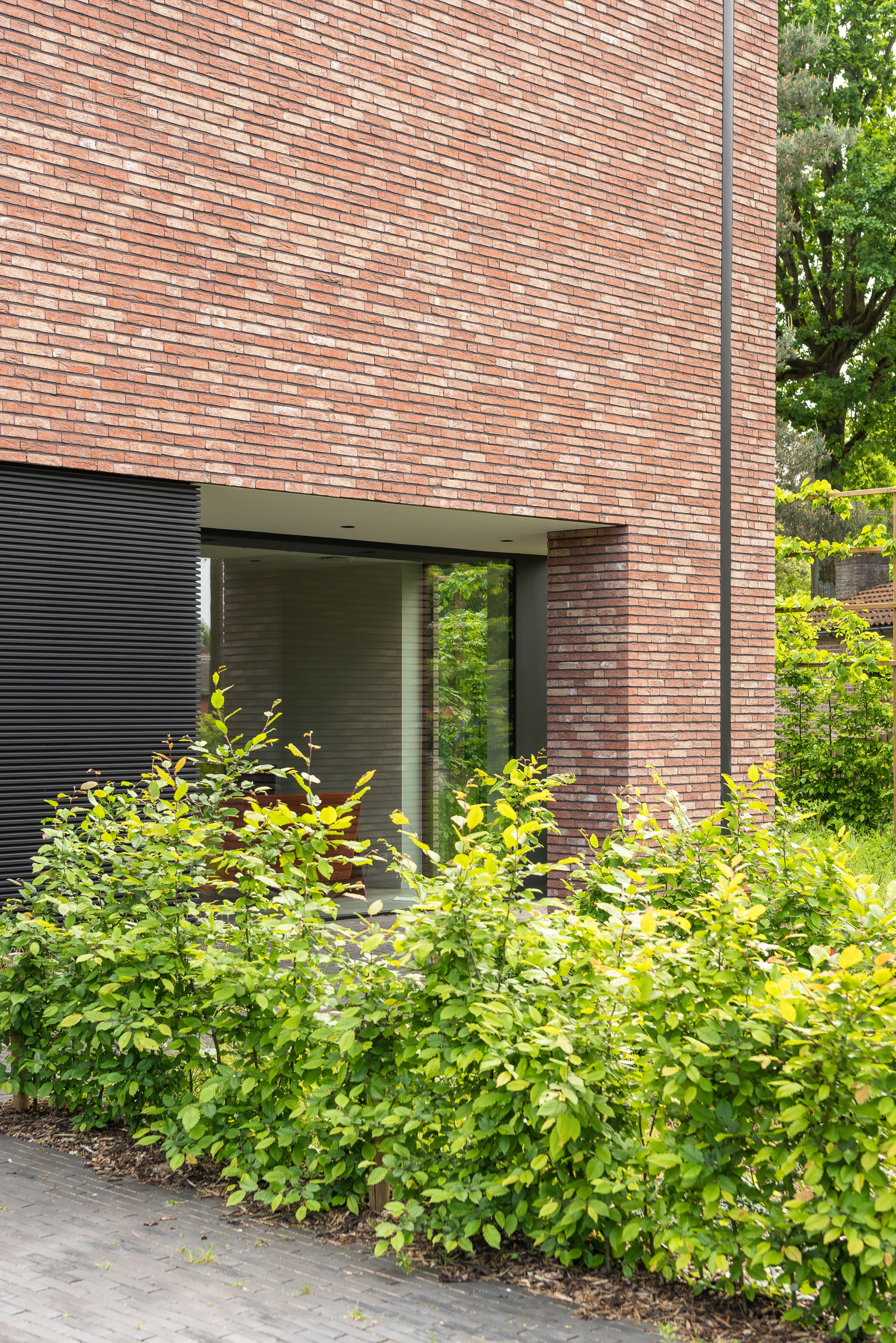
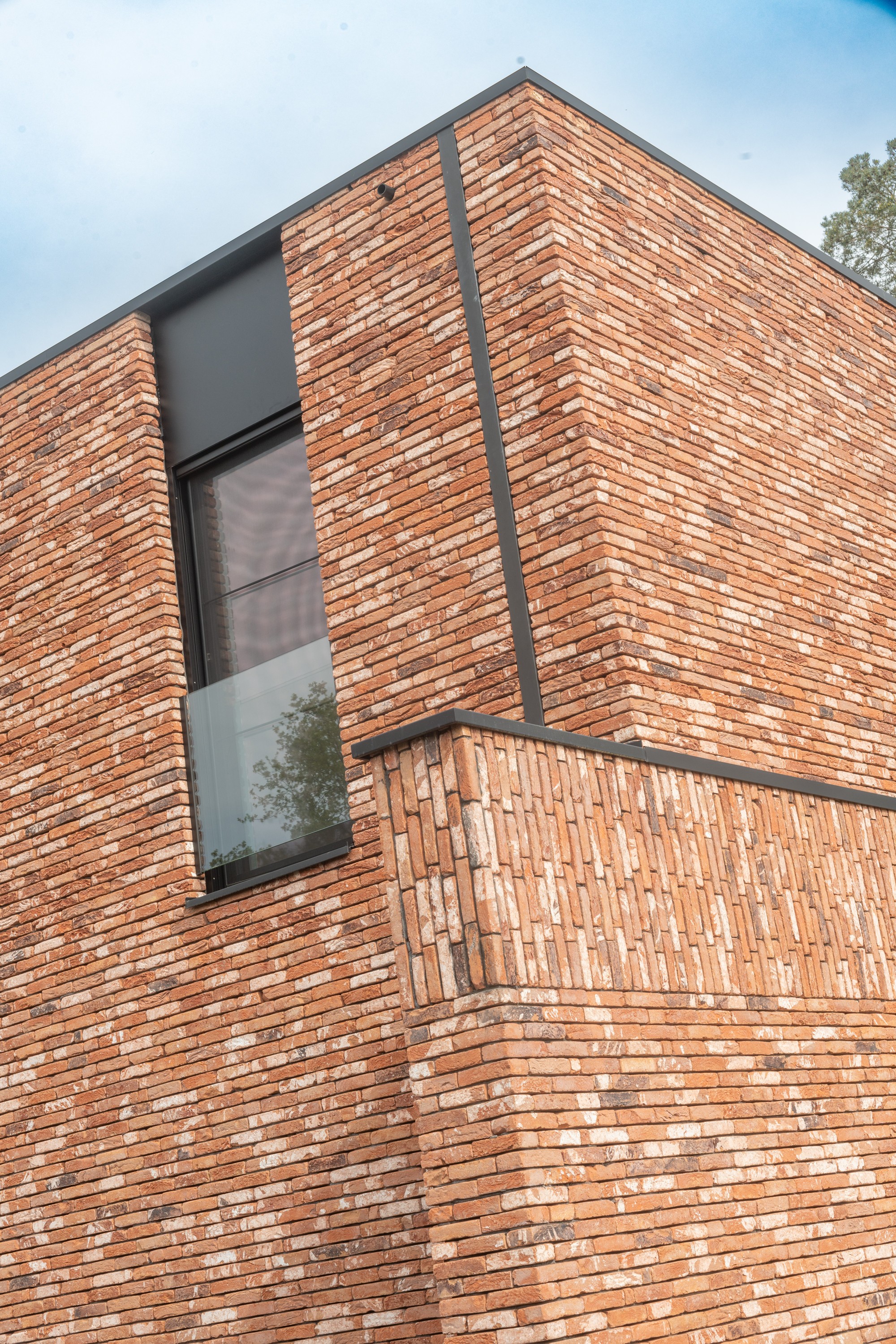
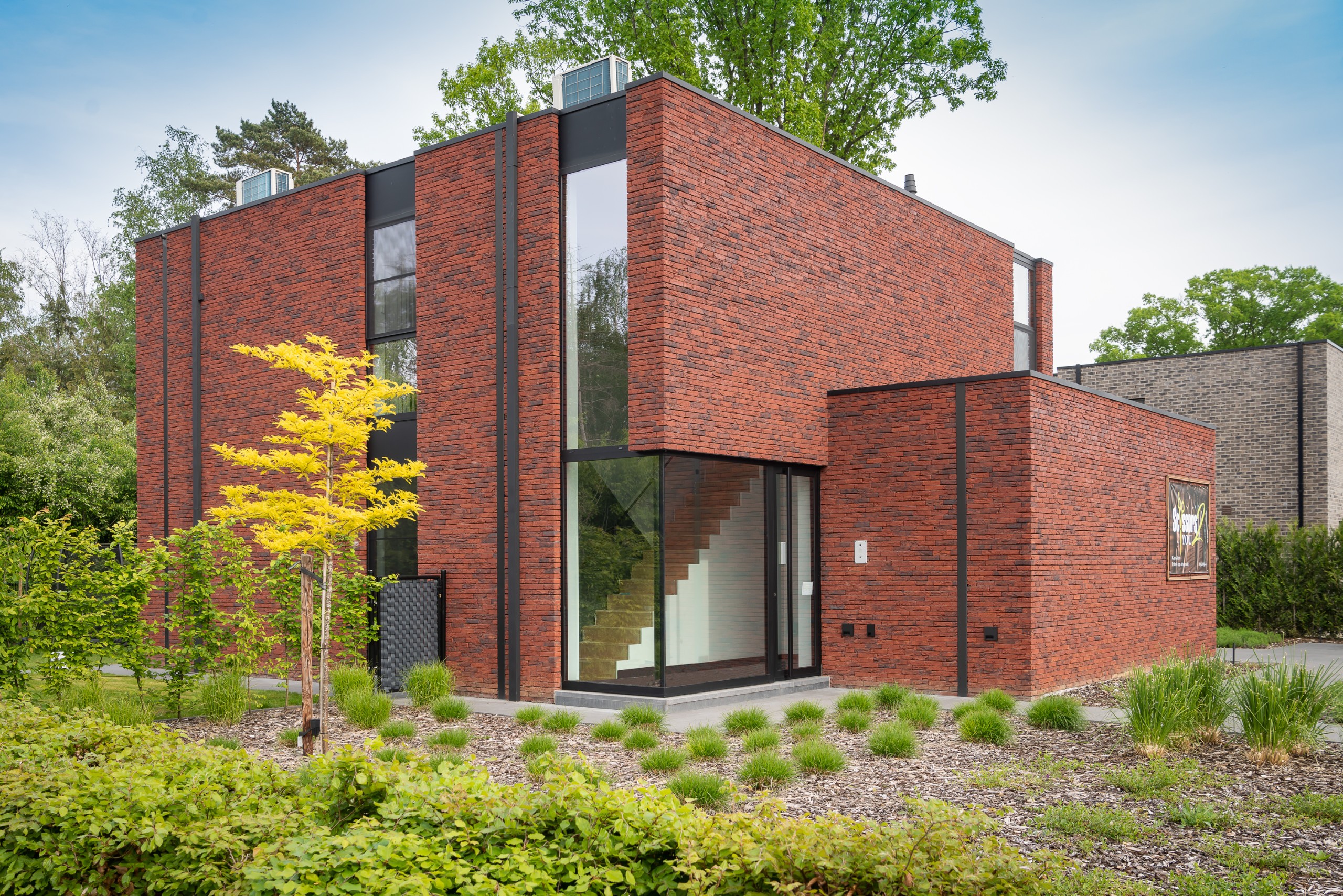
With modern brickwork techniques, a niche or recess is often created within the masonry to house the pipe. Consequently, the pipe does not protrude beyond the plane of the facade.
- Vertical lines: Placing the pipe in a niche creates a deliberate vertical shadow line. This reinforces the solidity of the facade and provides a clean, architectural linear effect.
- Colour use: You can choose a pipe colour that matches the brick or mortar, or use a contrasting shade (e.g., anthracite or black) to emphasise the depth of the niche.
- Space-saving: In urban environments, a recessed pipe ensures a flat, obstruction-free facade.


Pro-tip: smart preparation for technical services
Consider more than just rainwater. If an external air conditioning unit or heat pump is placed on a flat roof, the cooling pipes and cables must be routed downwards.
Instead of installing unsightly surface-mounted trunking later, integrate these pipes directly into a niche or a dummy downpipe within the facade. This looks much cleaner than the standard white or grey plastic conduits often added afterwards.
Technical considerations for recessed pipes
Are you opting for a recessed pipe in a niche? If so, please take the following points into account:
- Insulation: Ensure the insulation layer behind the niche remains continuous. Use a high-performance, thinner insulation board locally to prevent thermal bridging.
- Maintenance: The niche should be wide enough to allow for the removal of debris or cobwebs. Use hidden fixings behind the pipe for the sleekest result.
- Accessibility: Always install a leaf guard or inspection element at the base of the pipe to prevent blockages in the underground drainage.
Conclusion
The choice between 'against' or 'into' the facade depends on the desired aesthetic. While a surface-mounted pipe offers functional simplicity, a recessed niche provides a refined detail that complements modern architecture. By thinking ahead about future technical requirements (such as air conditioning conduits), you prevent the facade from being marred by surface-mounted trunking later on.


