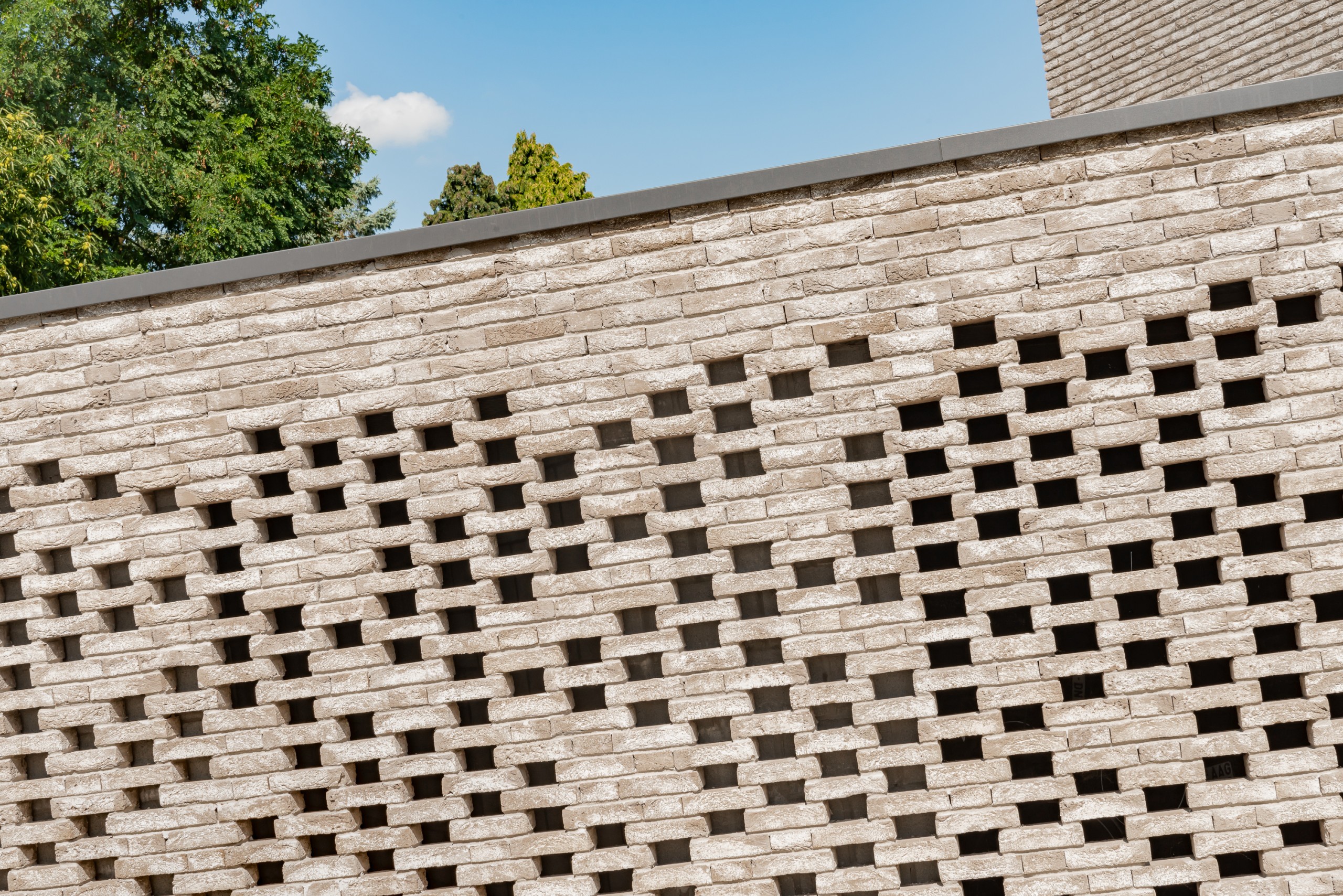
Claustra masonry (commonly known as hit-and-miss brickwork) is a technique where bricks are positioned to create openings within the brickwork. The result? A facade that breathes and changes continuously with the position of the sun.
The architectural added value
With hit-and-miss brickwork, you add a unique feature that provides depth and texture without the facade appearing massive. It offers the perfect balance between privacy and transparency: you screen off prying eyes, whilst allowing daylight and natural ventilation free rein.
Investment and execution
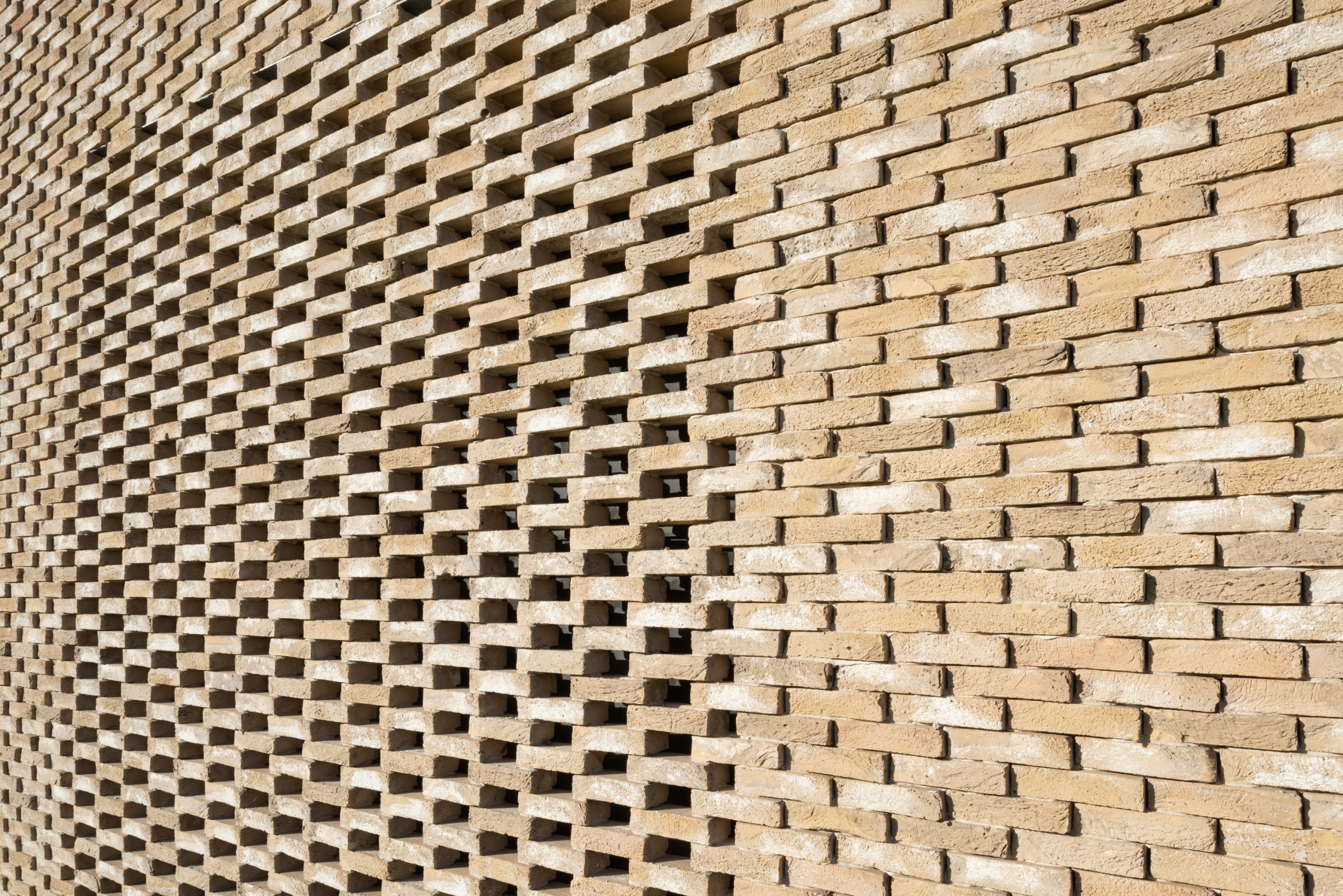
Although you use fewer bricks per square metre, a hit-and-miss wall is generally not a cheaper option. It is pure precision work that requires more hours from the bricklayer. Furthermore, stability often demands extra investment in adhesive mortar or bed joint reinforcement.
Technical points of attention for a durable result
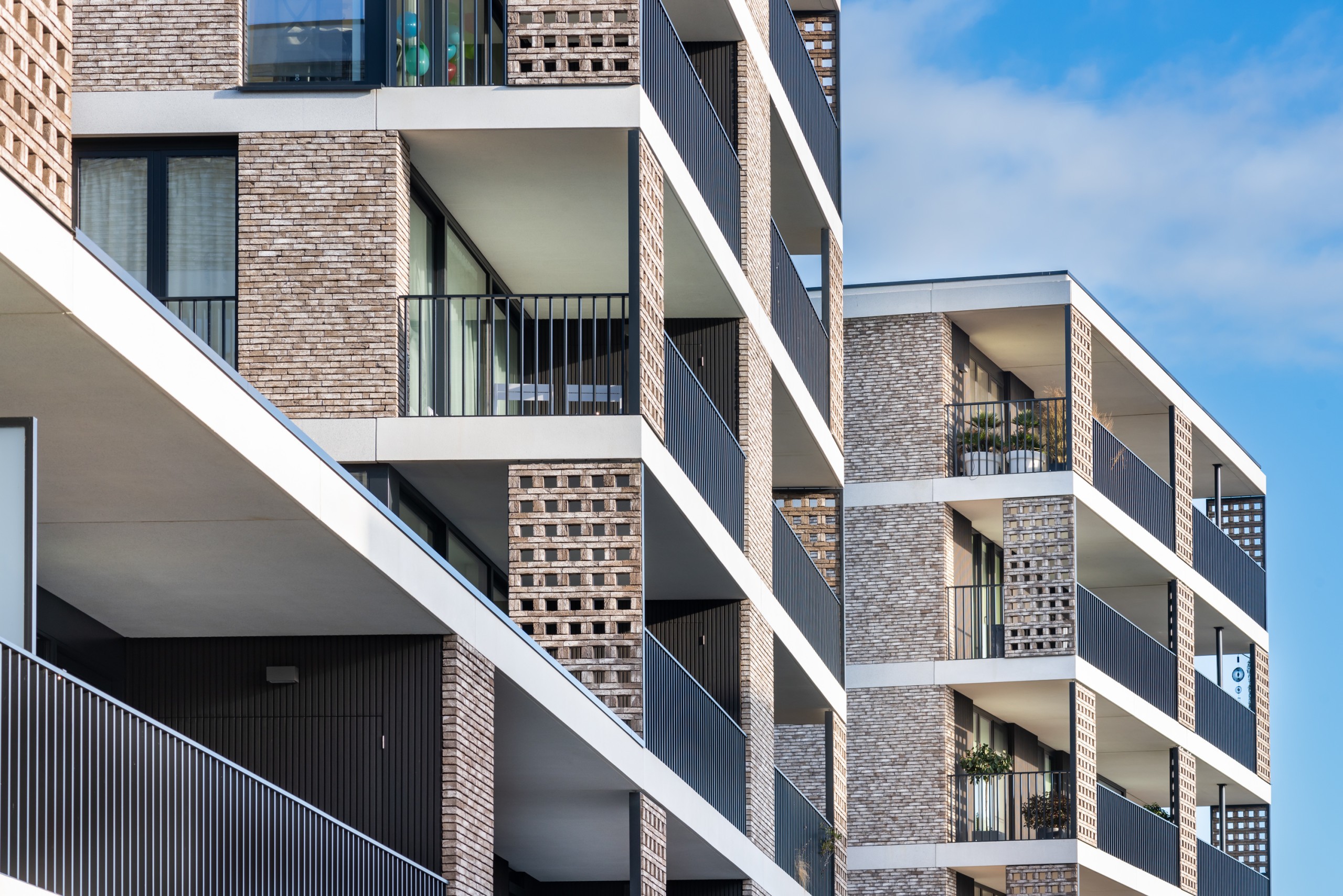
- Stability: Due to the limited contact surface, the structural strength is lower. Preferably use bed joint reinforcement for glued brickwork or vertical anchoring to absorb wind loads.
- Water detailing: Ensure that the cavity behind the claustra is correctly sealed off and provide proper drainage to avoid moisture problems in the underlying structure.
- Gluing over mortar bedding: For maximum adhesion on the small surface area, we recommend gluing. This significantly increases the stiffness of the open bond.
Claustra in front of windows: consider maintenance
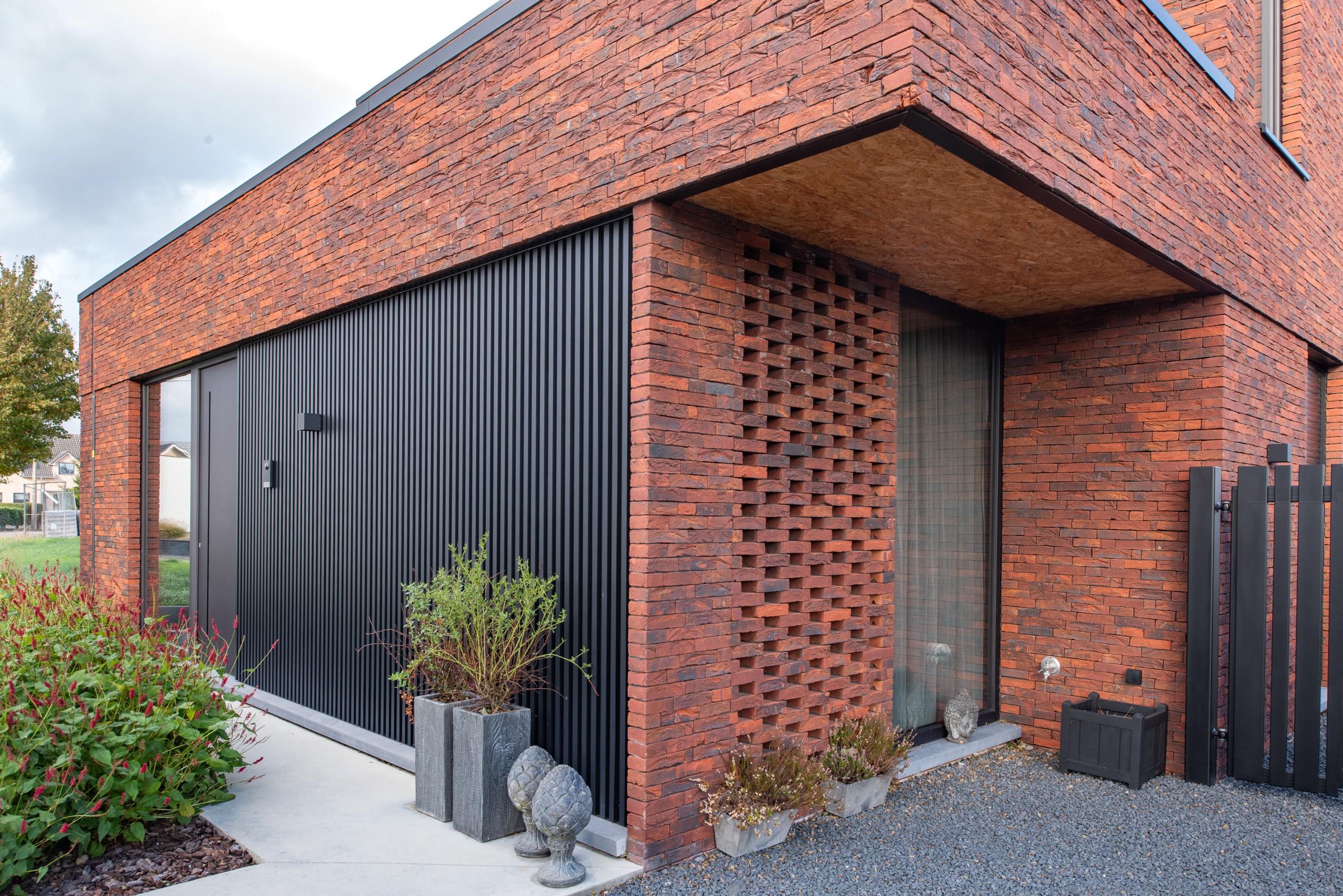
A claustra wall in front of a window section is aesthetically stunning, but do not forget the practicalities. Always choose windows that open inwards. You would not be the first to deliver a magnificent project where the glass is impossible to clean afterwards. So, consider access for maintenance right from the design stage.


